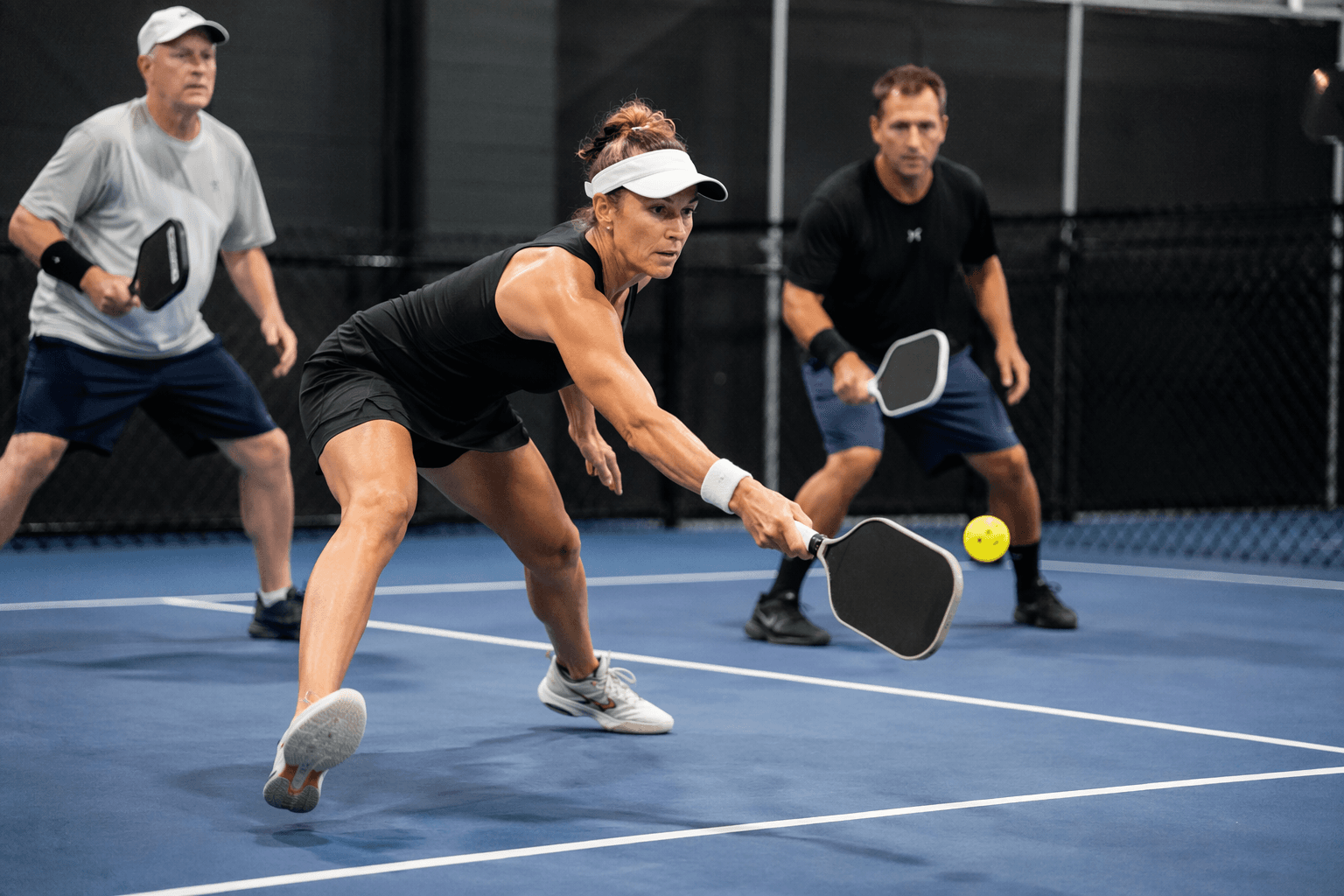
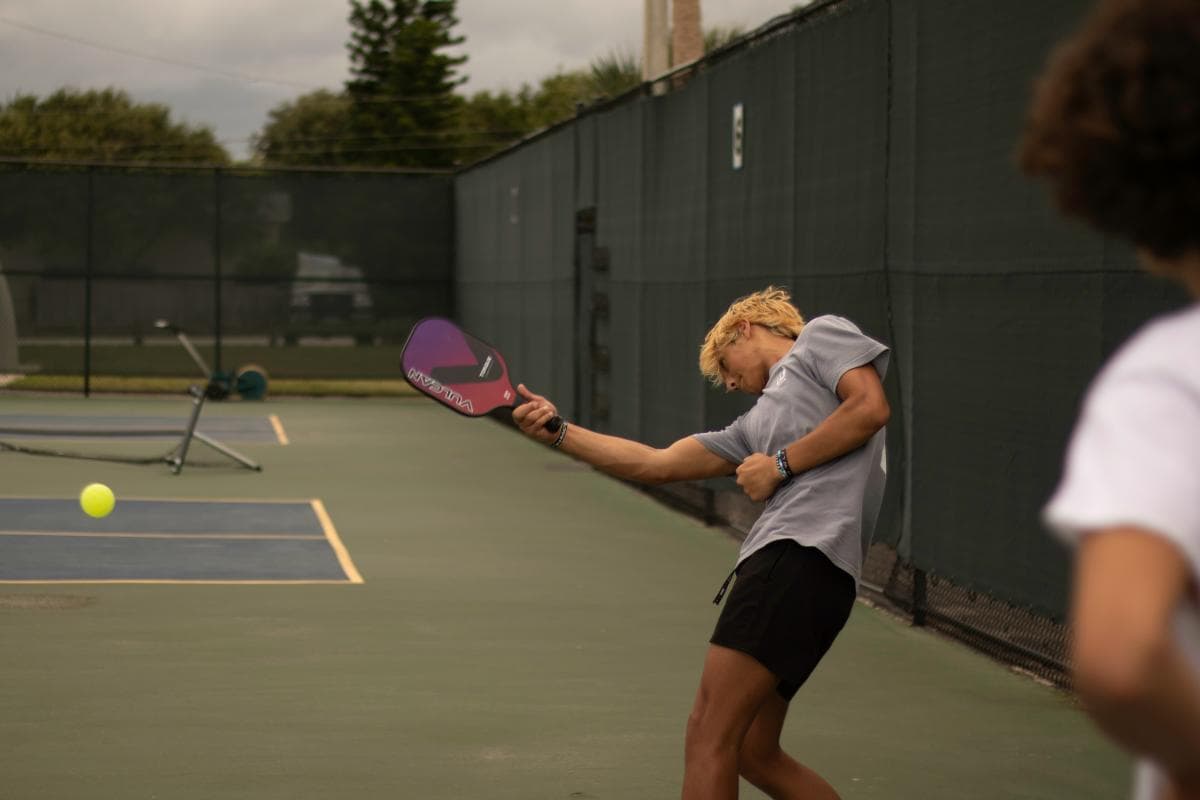
Asheville Pickleball Association fuels rapid growth across Western North Carolina
Asheville’s pickleball boom is forcing a court-access reckoning, and the Asheville Pickleball Association is helping turn demand into clinics, leagues and a push for new public space.
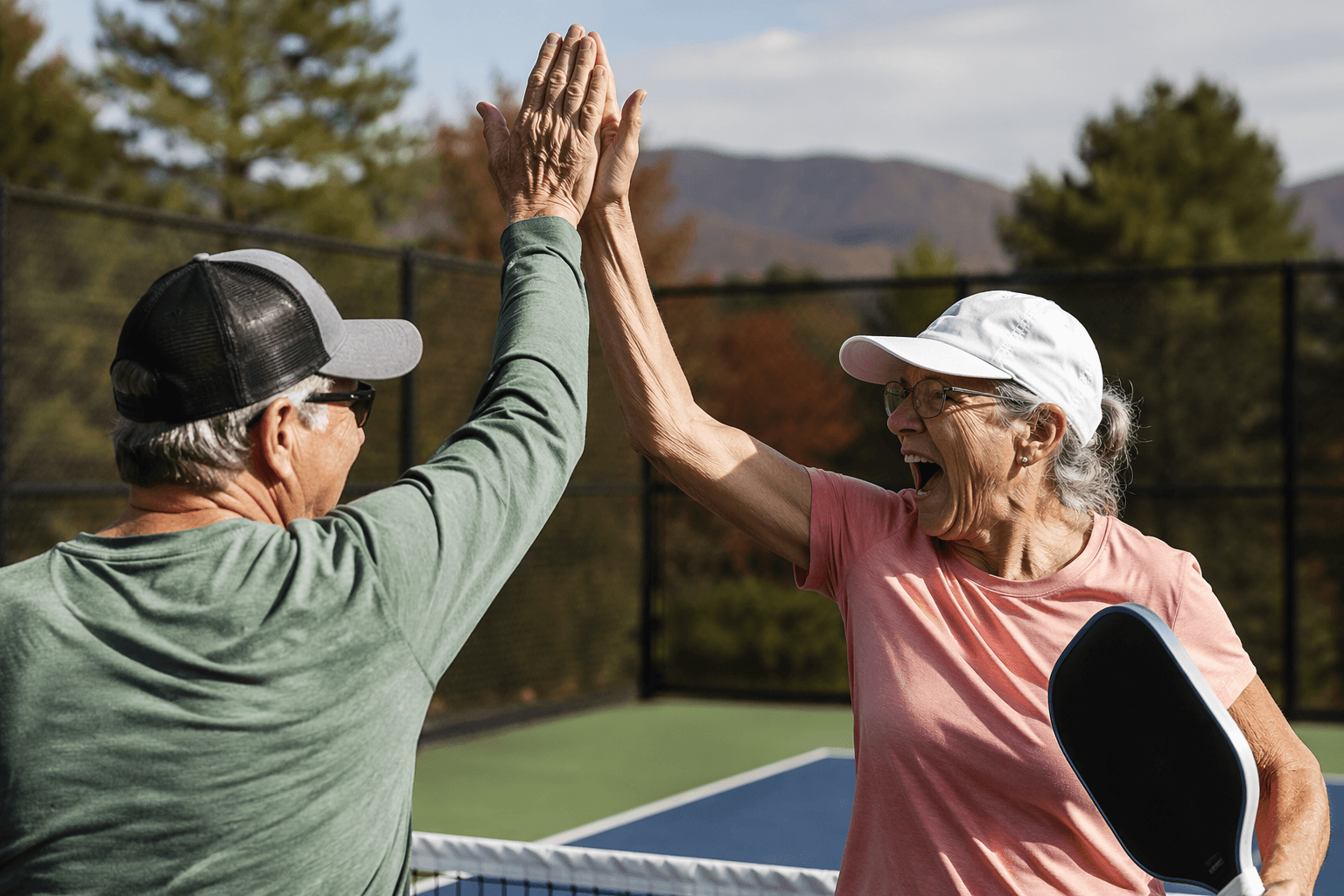
Asheville's pickleball boom is no longer just a weekend-court story. The Asheville Pickleball Association has become the connective tissue between new players, organized leagues and the push for more public courts across Western North Carolina. As Nancy Carr told Mountain Xpress, the sport is growing rapidly in the region, and the city is now planning its first dedicated public pickleball complex.
The pressure behind the growth
The clearest sign of the sport’s momentum is the strain it has put on shared facilities. The City of Asheville says pickleball, tennis and bike polo are all seeing significant participation increases, which helps explain why court space has become such a central issue. At the moment, public outdoor hard-surface tennis courts in Asheville Parks and Recreation are dual-lined for shared tennis and pickleball use, and play is managed on a first-come, first-served basis.
That system can keep courts moving, but it also reflects a sport that has outgrown casual access. Asheville’s posted time limits are built to keep traffic flowing: 1 hour for singles, 1.5 hours for doubles and 2 hours for groups of 6 to 12. Rollaway pickleball nets are available at Malvern Hills Park, Murphy-Oakley Community Center Park and Weaver Park, another sign that demand has outpaced permanent dedicated space.
How the Asheville Pickleball Association fits into the ecosystem
The Asheville Pickleball Association is not just a club for regulars. It is a 501(c)(3) nonprofit with a mission that stretches from beginner access to public-policy advocacy, and it lists EIN 92-0843644. Standard membership costs $20 per year, a modest fee that helps support the work it says matters most to the local game.
APA says that money supports free clinics for new players, including youth and older adults, as well as youth clinics in partnership with Asheville Parks and Recreation and city schools. The group also backs veterans and adult clinics, fundraisers, socials and lobbying for improved local pickleball facilities. Competitive league play runs through a partnership with Asheville Parks and Recreation and is open to all ages, giving the sport a regular structure instead of leaving growth to chance.
That mix matters because pickleball’s rise in a place like Asheville is not only about more people showing up. It is about building a ladder: clinics for entry, leagues for repeat play, tournaments for competitive ambition and facility advocacy so the whole thing can keep expanding without collapsing under its own popularity. APA also says it supports tournaments and uses social events to welcome visitors and new residents, a reminder that pickleball has become both a recreational outlet and a community-building tool.
From advocacy to a concrete project
The city’s plan for a dedicated pickleball complex shows how quickly this issue has moved from informal use to civic planning. At an April 27, 2026 public engagement session, APA president Christina Dupuch called the proposed complex a “dream come true,” while also saying the community wants to stay engaged with city planners as the process moves forward.
That engagement session came after years of pressure from Dupuch and others who pushed the city to build more facilities. BPR reported that one early win was the city’s decision to add dual lines to existing tennis courts for shared use, a compromise that helped widen access without waiting for a brand-new complex. The newer step is larger: Asheville voters overwhelmingly approved a 2024 general-obligation bond package that included $20 million for Parks and Recreation projects, and part of that funding is now aimed at the pickleball complex.
The city has narrowed the proposed site to either Aston Park in downtown Asheville or Roger Farmer Park in West Asheville. Officials have said they want to use existing park land to maximize the bond investment without buying new land, which keeps more money directed toward construction instead of acquisition. The site choice also has to account for accessibility and distance from residences, since nearby neighbors often raise noise concerns around pickleball courts.
What the new complex could change for local players
The proposed complex is expected to include 8 to 10 pickleball courts, which would represent a major step beyond Asheville’s current shared-use model. A dedicated site would ease pressure on dual-lined tennis courts, reduce the scramble for first-come, first-served time slots and give leagues and clinics a more stable home base.
It would also deepen the pathway that APA is already building. Free clinics bring in beginners, league play keeps players active, tournaments create a competitive ceiling and social events widen the sport’s reach beyond one core group. With a dedicated complex, those pieces can feed one another instead of competing for the same limited surfaces.
The city has also launched a separate public-input process for the first dedicated public pickleball complex, underscoring how far the issue has advanced. What started as a growth story is now a facilities story, and in Asheville that means the next phase of pickleball will be shaped as much by land use, bond dollars and neighborhood concerns as by the number of people who can already play.
This article was produced by Prism’s automated news system from verified source data, official records, and press releases, then run through automated quality and moderation checks before publishing. The system is built and supervised by the people who set the standards it runs under. Read our full AI policy.
Know something we missed? Have a correction or additional information?
Submit a Tip