FLiK’s $126 F3 paddle aims to outperform premium models
FLiK’s F3 lands at $126 with a triple-core build designed to widen the sweet spot and mute mishits, not just chase more pop.
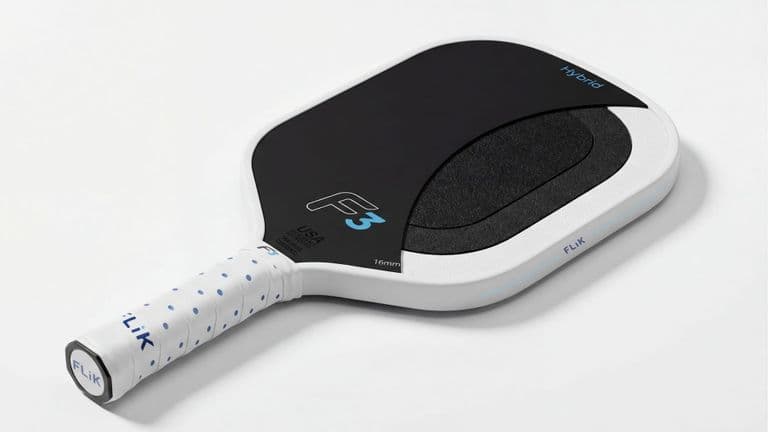
FLiK put the F3 into the market at $126, a price that undercuts many premium paddles that now sit well above $250. The pitch is blunt: build the better-playing paddle first, then worry about the branding. Founder Fred Robinson framed it plainly, saying the company is “trying to build the best equipment possible for athletes.”
The F3’s selling point is its triple-core construction, and this is where the paddle tries to earn its keep beyond the marketing copy. The center uses high-density EPP for stability, a mid-density ring is built for energy transfer and vibration control, and a lower-density EVA outer ring is designed to add forgiveness. The idea is to blunt the steep performance drop that usually shows up when contact drifts away from the sweet spot, giving players a more predictable response across more of the face.
That matters for the players who feel every dead mishit in league play and every rushed volley in tournament draws. The F3 is being positioned as one of the more forgiving full-foam paddles on the market, which puts it in the middle of the sport’s current tug-of-war: power on one side, control and repeatability on the other. FLiK is betting the smarter move is not more explosion off the face, but a paddle that holds its shape, softens the bad contact, and still gives enough energy transfer to finish points.
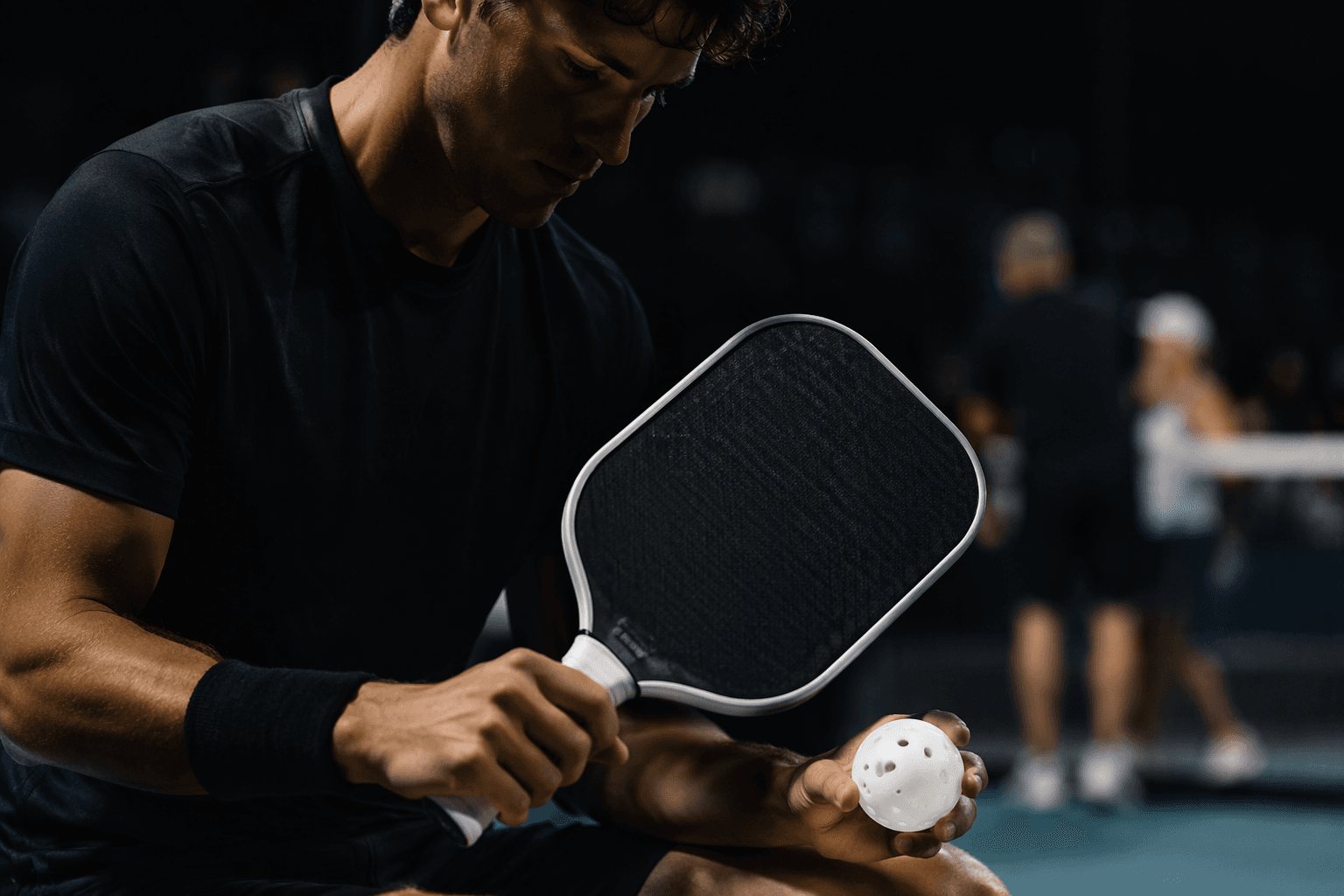
The bigger signal here is that FLiK may not be as out on its own as the branding suggests. Similar floating-core ideas are starting to show up with major brands, which hints that the next wave of paddle development is moving toward consistency, comfort, and control instead of another round of pure power claims. For amateurs trying to buy one paddle that helps all-court play, that is the real question: whether a $126 build can give the kind of sweet-spot expansion and repeatable ball response that usually comes attached to a much louder price tag.
This article was produced by Prism’s automated news system from verified source data, official records, and press releases, then run through automated quality and moderation checks before publishing. The system is built and supervised by the people who set the standards it runs under. Read our full AI policy.
Did this article answer your question?


