Hopkinton opens Fruit Street pickleball courts for fundraiser events
Hopkinton set aside eight Fruit Street court dates for fundraisers, with $25-an-hour pricing for most groups and $50 for for-profits and nonresidents.
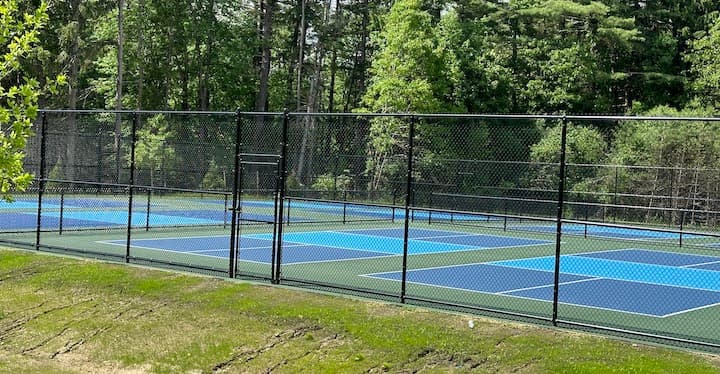
Hopkinton is opening the Fruit Street pickleball courts to fundraiser groups, but only on a tightly managed schedule that protects regular play and gives Parks & Recreation the final say on every booking. The Parks & Recreation Commission approved a draft policy on May 13, 2026, setting aside eight fundraiser dates across the pickleball season and creating a formal process for local organizations that want to turn the public courts into a charity venue.
The rules are simple on paper and deliberate in practice. Most groups will pay $25 per hour per court, or $200 per hour to rent the full eight-court setup. For-profit businesses and non-resident groups will be charged $50 per hour per court. Tournament users must take all eight courts, and the application window was trimmed from 30 days to 15 days. The commission also discussed staggering events on alternating Saturdays and Sundays once per month, a structure that keeps the courts from becoming a free-for-all while still making room for fundraisers.
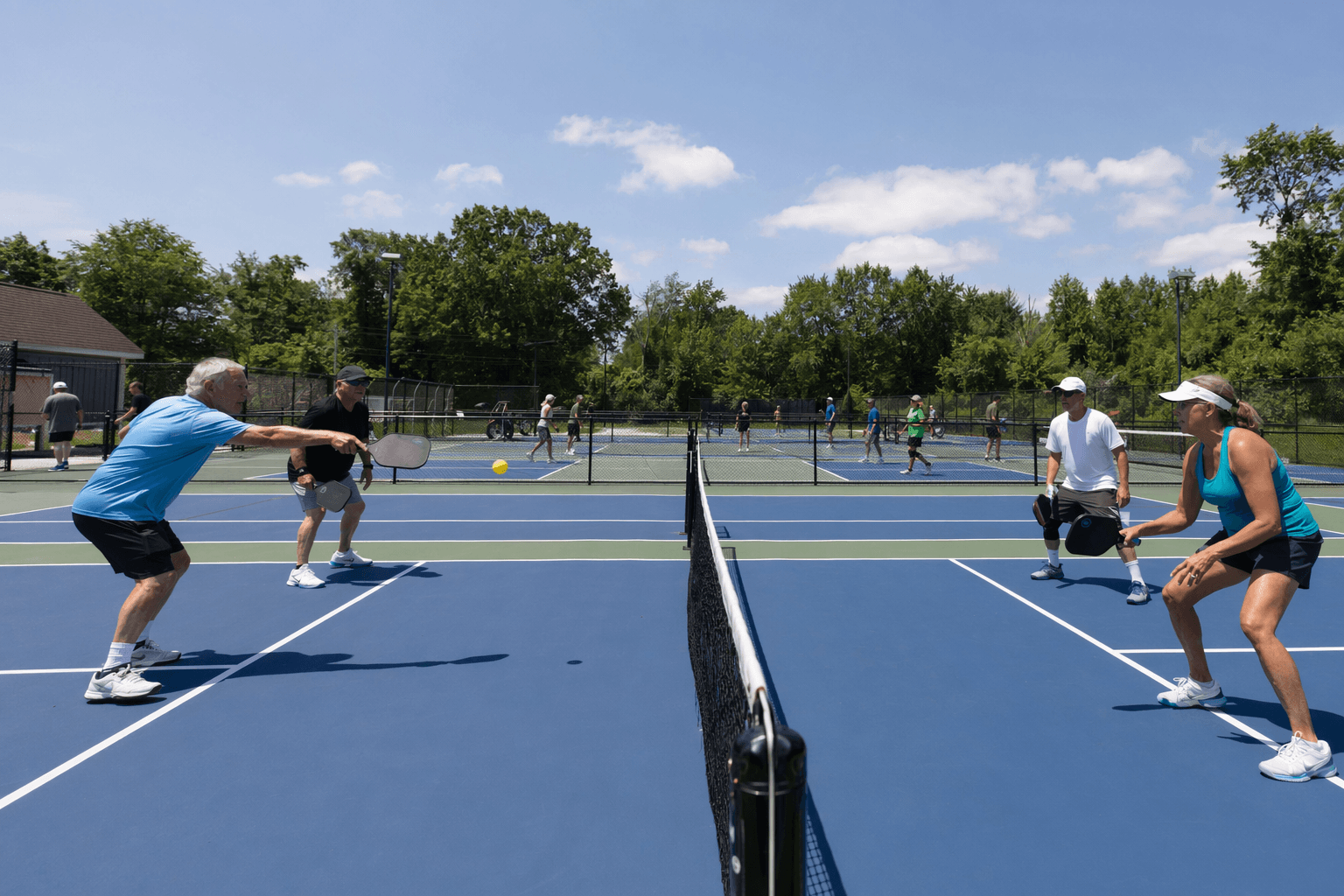
The policy grew out of real demand. Hopkinton High School students had already asked to use the courts for a May fundraiser tied to a senior capstone project, and that request was approved while the town worked on a formal policy. Parks & Recreation Director Jon Lewitus said three user groups had already contacted him about fundraising at the courts before the rules were finalized, a sign that the policy is arriving in response to interest rather than trying to manufacture it.
What makes the decision matter is the scale of the facility. The Fruit Street Pickleball and Tennis Courts opened in May 2024 with four permanent pickleball courts and a tennis court that can be lined for four more pickleball courts with portable nets. Town policy materials describe the complex as open from dawn to dusk, first-come, first-served in summer 2024, with closures posted at least 24 hours in advance. The fundraiser plan extends that managed-access model rather than replacing it.

The courts were built with Community Preservation Committee funds in 2022, which helps explain why the commission has spent so much time on fairness, frequency and price. By building a tiered system for school groups, nonprofits, local organizations and for-profit users, Hopkinton has turned Fruit Street into more than a place to play. It is now a controlled public asset that can host charity events without giving up the regular court time that made it popular in the first place.
This article was produced by Prism’s automated news system from verified source data, official records, and press releases, then run through automated quality and moderation checks before publishing. The system is built and supervised by the people who set the standards it runs under. Read our full AI policy.
Did this article answer your question?


