Ifeanyi Ifediba builds pickleball community through welcoming newcomers
Ifeanyi Ifediba turns first-time players into regulars by pairing them with veterans, checking in early, and making Los Angeles courts feel less intimidating.

In Los Angeles, Ifeanyi Ifediba remembers names, spots the newcomer standing alone, and makes sure a first visit does not feel like a test. He has built his pickleball identity around a simple idea: the most important point of the night may come after the final rally.
That approach turns pickleball from a one-night activity into a place people return to.
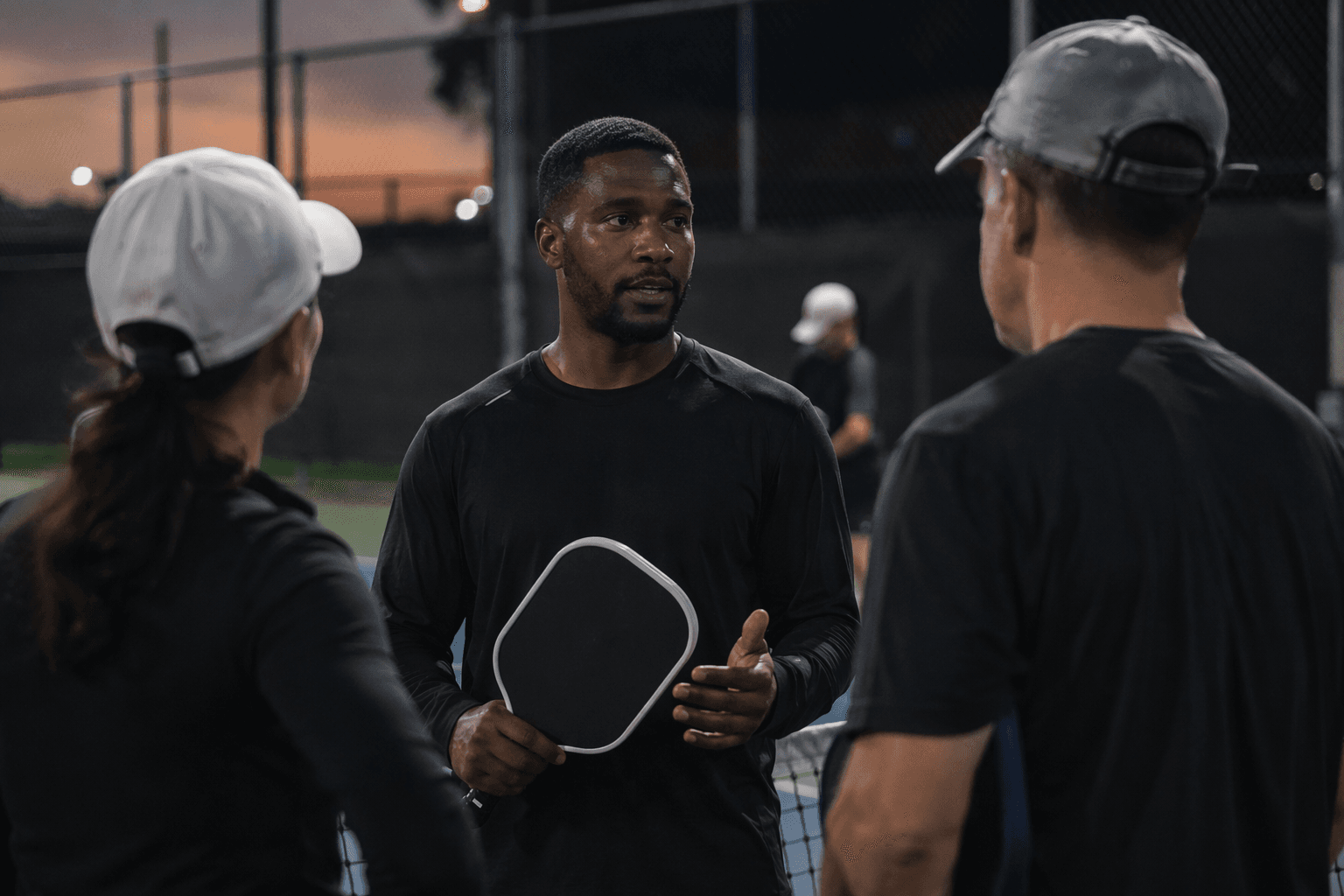
How Ifediba turns newcomers into regulars
Ifediba came to pickleball after tennis, but what held him was not just the athletic adjustment. The sport quickly became a source of friendships, creative energy, and a social network, and that is the piece he kept building on through clubs like Next Gen Pickleball Club.
His method is practical. He checks in new players, pairs them with regulars, and helps the first night feel less intimidating. The biggest barrier for many amateur players is not skill, it is uncertainty: where to go, who to play with, and whether they will feel out of place.
Community does not happen on its own. It takes introductions, warm handoffs, and repeat invitations as part of the playing experience.
The Los Angeles problem is access, not just interest
Los Angeles has plenty of appetite for pickleball, but access still depends on structure. The City of Los Angeles Department of Recreation and Parks offers indoor and outdoor pickleball courts, yet the city lags far behind national averages for dedicated courts per 10,000 people. That gap helps explain why a friendly organizer can matter as much as a well-marked court.
The city’s court map is broader than it was, with a 2026 city-specific directory estimating hundreds of courts across Los Angeles. Even so, the region’s size and demand mean players often need social systems to connect the dots between places, times, and levels of play. Open play windows, recurring groups, and welcoming hosts become the real infrastructure.
Facilities and brands across the area increasingly promote more than just court rental. LA Pickle Club, Pickle Alley LA, PIKL Los Angeles, Pickle Pop in Santa Monica, iPickle, and Skyline Pickleball all lean on open play, leagues, lessons, and social events to create repeat attendance. In practice, those features do what Ifediba does personally: they lower the social cost of showing up.
What clubs and organizers can copy
Ifediba’s model can be repeated. Clubs do not need a celebrity pro presence to copy it; they need a process that helps strangers become familiar faces.
A workable community pathway looks like this:
- Make the first contact easy. New players need a clear entry point, whether that is beginner-friendly open play, a lesson, or a club night built for introductions.
- Pair newcomers with regulars. The fastest way to reduce anxiety is to place first-timers next to people who already know the routine.
- Keep sessions recurring. One-off events help, but repeat slots turn curiosity into habit.
- Use names and follow-up. A remembered name and a second invitation often matter more than a perfect game.
- Remove the feeling of standing alone. The social space between games is where many players decide whether they belong.
That sequence reflects what Ifediba does in Los Angeles: he pairs newcomers with regulars, remembers names, and gives first-timers a reason to come back.
A sport growing fast still needs places to belong
USA Pickleball is the official national governing body for the sport, and its 2025 growth report counted more than 2,300 new places to play that year, bringing the national total to 18,258 locations. The Pickleheads database lists 82,613 courts nationwide.
The Sports and Fitness Industry Association counted 24.3 million Americans who played pickleball in 2025, and the sport remained the fastest-growing in the United States for five consecutive years.
Why the national support systems matter
USA Pickleball Serves supports court enhancements, educational youth programs, and inclusive play, and its Grow the Game grant program gave equipment and educational resources to 105 schools, community organizations, and recreation programs across 28 states. Those investments build the entry points that organizers like Ifediba rely on.
This article was produced by Prism’s automated news system from verified source data, official records, and press releases, then run through automated quality and moderation checks before publishing. The system is built and supervised by the people who set the standards it runs under. Read our full AI policy.
Did this article answer your question?

.png%3Fwidth%3D1320%26height%3D528%26optimizer%3Dimage&w=1920&q=75)