Mauli School students with disabilities enter global pickleball ratings system
Five Mauli School students moved from adaptive coaching in Sindhudurg into DUPR, turning pickleball practice into a rated path through the sport's global structure.
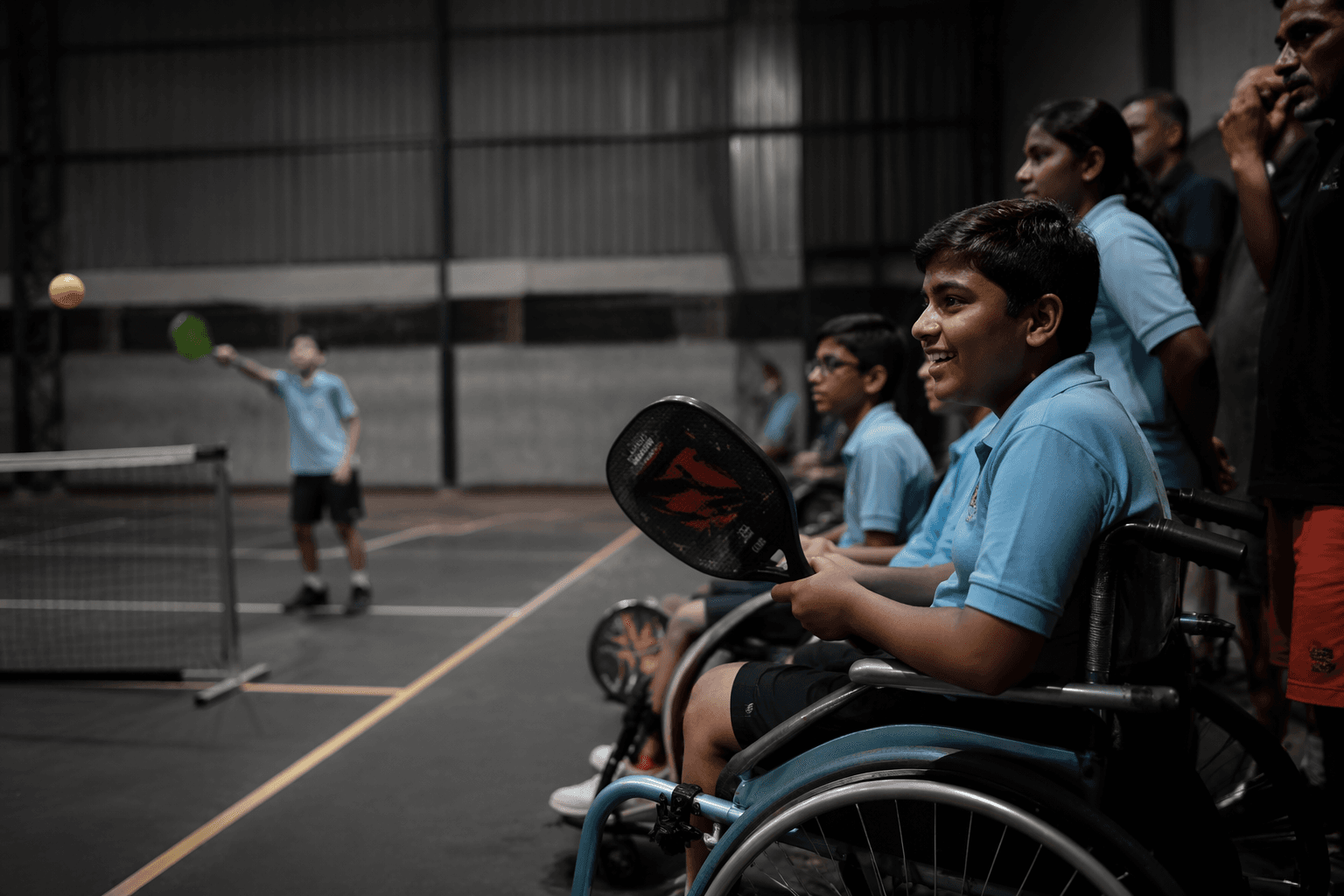
Five students from Mauli School in Sindhudurg, India, have moved from adapted court work into pickleball’s global rating system, a step that gives deaf and differently abled athletes a formal place inside the sport’s competitive structure. Their results can now be logged, tracked and compared through DUPR, which matters in pickleball because ratings determine matchups, measure progress and signal legitimacy beyond a school setting.
The project grew out of a three-month adaptive coaching period that began in April 2025 under coach Vaidehi Gupte. Training used specially developed sign-based communication for deaf and differently abled children, with pickleball chosen because the game is easy to demonstrate, easy to repeat and easier to adapt than many mainstream sports. The initial goal was participation, but the larger aim was to build confidence, independence and a pathway that did not stop at the school gate.
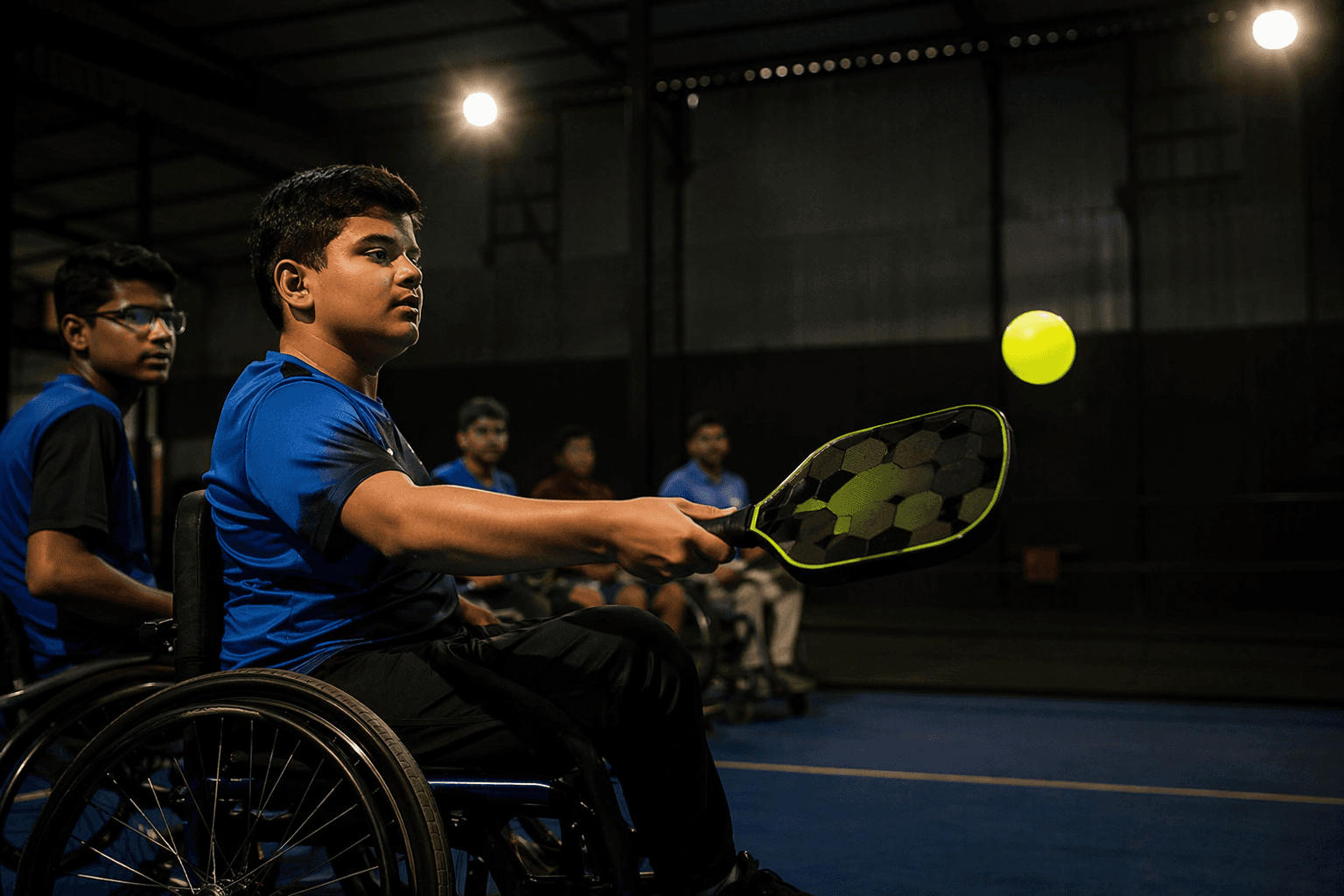
That pathway widened when the All India Pickleball Association facilitated the students’ registration on DUPR. For the Mauli School players, that meant more than a database entry. It meant official ratings and a route into sanctioned competition, where opponents can be found at a similar level and improvement can be measured with something more concrete than informal praise.
DUPR describes itself as a free global rating platform built to update dynamically after match results are posted. Players begin as NR, or Not Rated, and move on a scale from 2.000 to 8.000. The system says it includes more than 1 million rated players, 12,000-plus clubs worldwide and activity across 183 countries, making it one of the broadest competitive maps in amateur pickleball.
That scale is what gives the Mauli School milestone its weight. The five students are not only learning a sport that rewards repetition and touch at the kitchen line; they are entering the same structure used by club players, tournament entrants and touring professionals. In a game that has grown quickly because it is accessible, the lesson from Sindhudurg is sharper than a feel-good story. Inclusion becomes real when the system adapts with the players, not after them.
This article was produced by Prism’s automated news system from verified source data, official records, and press releases, then run through automated quality and moderation checks before publishing. The system is built and supervised by the people who set the standards it runs under. Read our full AI policy.
Know something we missed? Have a correction or additional information?
Submit a Tip