MLP St. Pete substitution dispute exposes league governance gaps
Palm Beach’s Casey Diamond substitution at MLP St. Pete turned a lineup move into a test of who really controls competitive integrity in Major League Pickleball.

Palm Beach’s use of Casey Diamond in mixed doubles at MLP St. Pete turned an injury substitution into a test of how much control Major League Pickleball gives teams over their own competitive fate. Grayson Goldin’s injury designation opened the door for Diamond, the on-site alternate, to enter the lineup with Sofia Sewing, and the move fit the league’s written rules on paper.
That is exactly why the episode landed as more than a roster transaction. The dispute exposed a league that still leans heavily on team-declared availability status while operating with limited independent verification when injury, roster management and competitive incentives collide. Palm Beach could manage its own status change and then use the resulting flexibility in match construction, a setup that makes the line between legitimate roster management and gamesmanship uncomfortably thin.
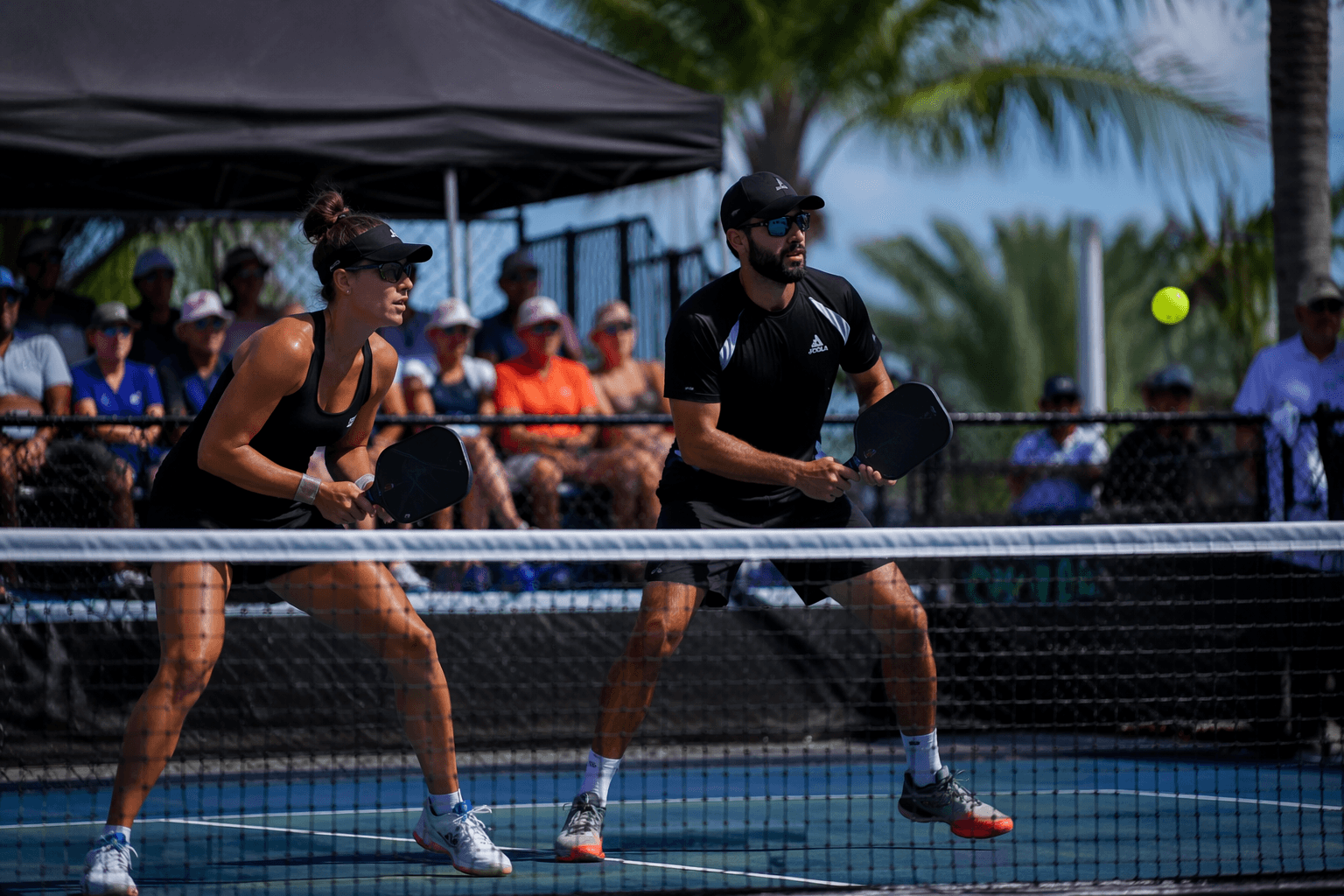
Major League Pickleball’s 2026 Rules Guide gives the league final authority over any situation not specifically covered in the guide, and the season’s rules took effect with the opener in Dallas on May 22. Those same 2026 updates also formalized match structure, team-captain responsibilities and injury procedures, but the St. Pete dispute showed how quickly a well-written rulebook can run into a real-world gray area when the league itself must decide how to apply it.
The context makes the problem sharper. MLP started in 2021 with one event, eight teams and 32 players, then expanded to 20 teams with six players apiece in 2026 after dropping the Premier-Challenger split. The league has been building bigger rosters and a more commercial operation at the same time it has had to tighten governance, which means a substitution dispute now carries more weight than it did when the circuit was smaller and simpler.
Palm Beach’s roster handling at St. Pete also fits a broader pattern. Goldin became ill after Thursday’s matches, which is why Diamond was available for Friday and Saturday, and Palm Beach later placed Goldin on injured reserve and officially picked up Diamond during the third waiver period. The move may have been administratively clean, but it underscored how much influence teams still have once a health designation is made.
MLP had already felt enough pressure on this issue to rewrite its alternate rules in 2025 after earlier controversy, including a penalty that started doubles games 0-1 against a Premier team using an on-site alternate instead of a roster player. In May 2026, the United Pickleball Association of America added another layer, releasing a standalone 71-page rulebook for PPA Tour and MLP matches with a new referee program and governance leadership under Onisha Smith and Howard Hepworth.
Taken together, the rule changes show a sport trying to professionalize its control room while the Palm Beach episode shows how much of that control still depends on trust. For a league chasing bigger events, bigger rosters and bigger business, St. Pete was a reminder that competitive integrity can wobble long before the scoreboard does.
This article was produced by Prism’s automated news system from verified source data, official records, and press releases, then run through automated quality and moderation checks before publishing. The system is built and supervised by the people who set the standards it runs under. Read our full AI policy.
Did this article answer your question?


