Palo Alto pickleball push at Mitchell Park sparks noise backlash
Mitchell Park’s pickleball traffic is outgrowing the courts, but a plan to add eight new courts is colliding with tennis players, neighbors and noise complaints.

Mitchell Park has become Palo Alto’s pickleball pressure point: the club wants two tennis courts turned into eight pickleball courts, while opponents say the extra noise and parking strain would hit one of the city’s most used park spaces.
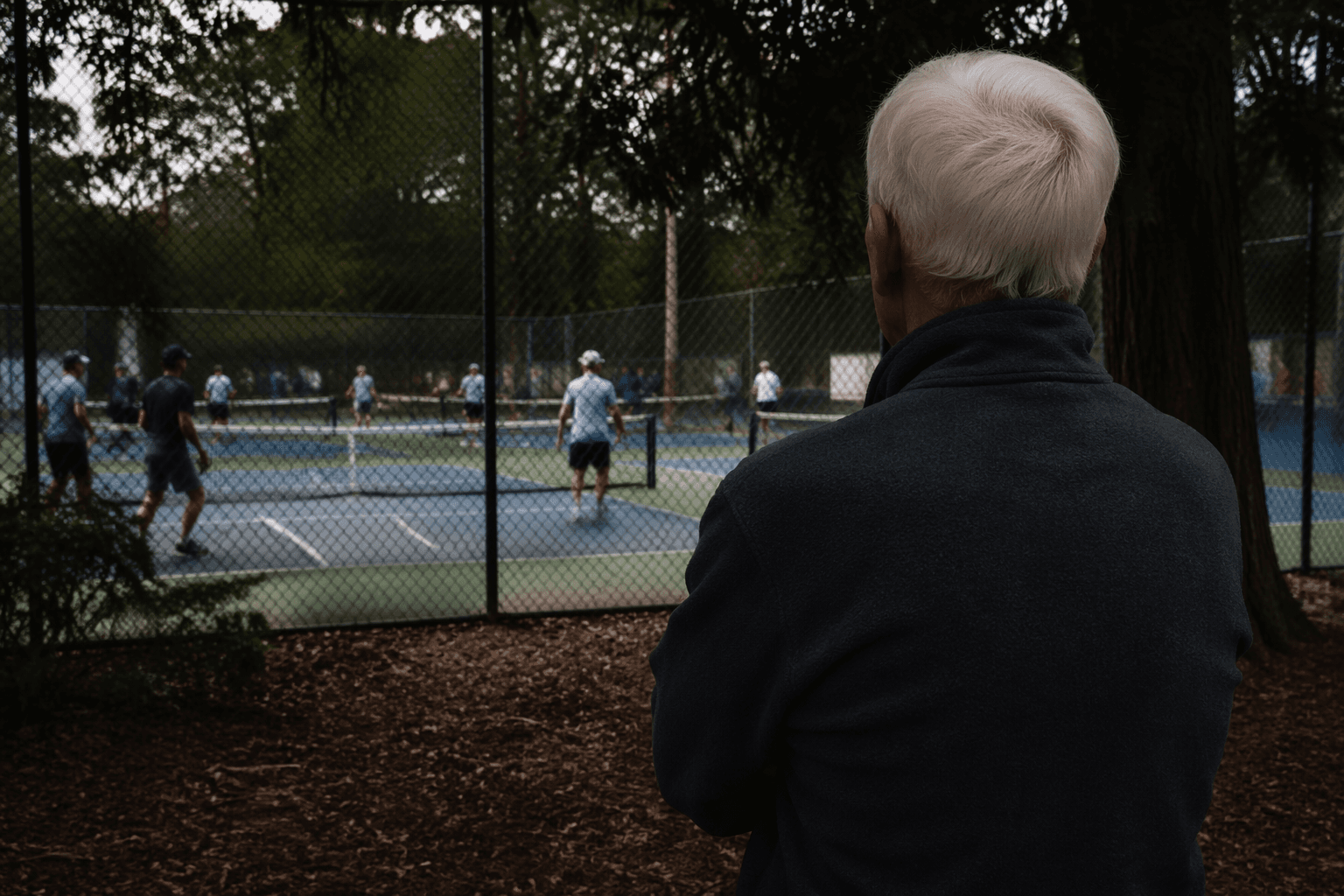
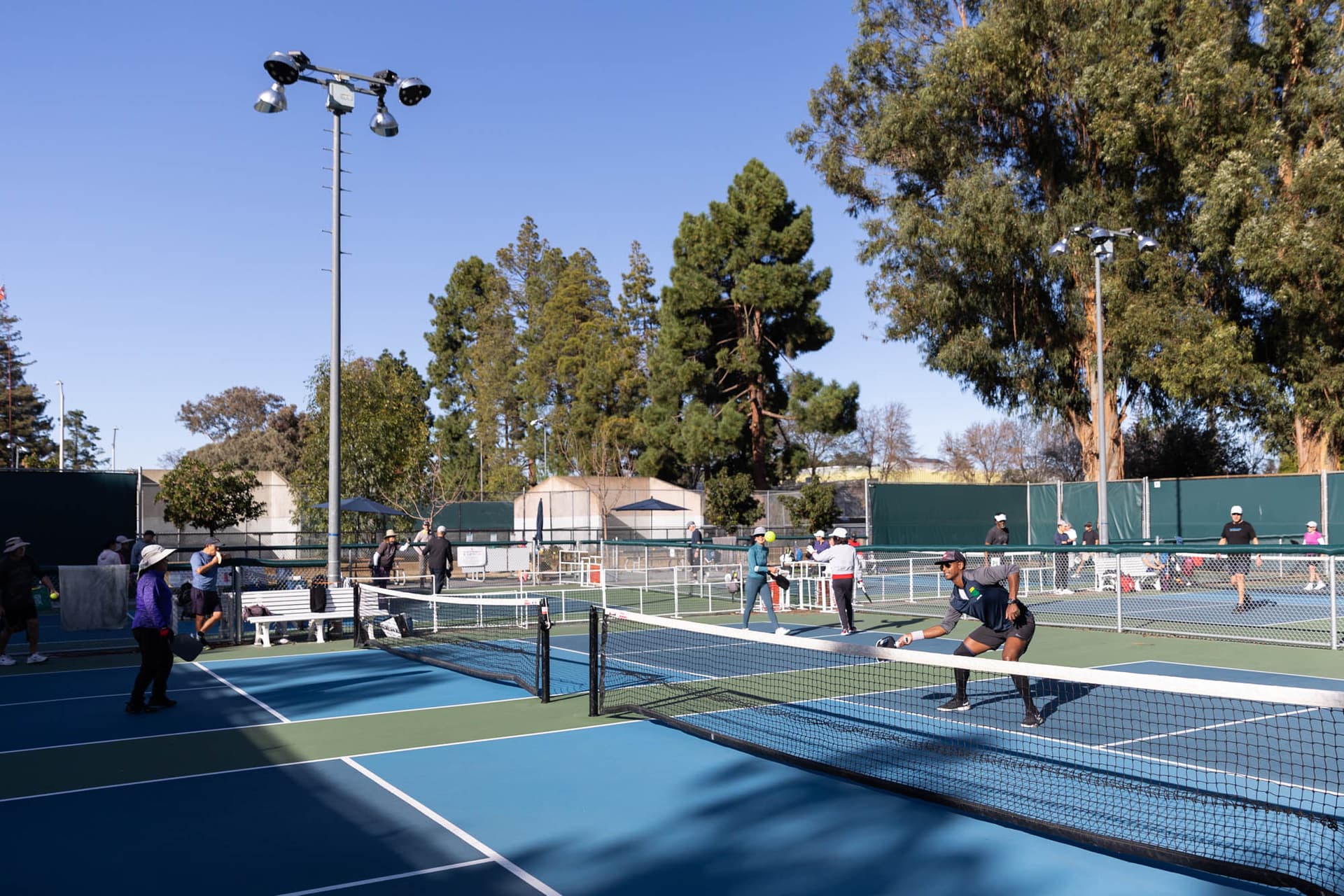
The Palo Alto Pickleball Club brought the request to the Parks and Recreation Commission on Tuesday, arguing that Mitchell Park is already the regional hub for open play and that demand keeps outrunning supply. City staff observations back up the club’s case. At Mitchell Park, an available tennis court was found only 15 times in 68 checks, while pickleball play was frequently at or above capacity, with as many as 60 players waiting during peak periods.
That mismatch has been building for years. In April 2017, city staff said Mitchell Park’s tennis courts 5, 6 and 7 were already being used informally for pickleball and that the city was seeing rising demand. By April 23, 2019, the Parks and Recreation Commission approved a compromise plan that would have converted one tennis court into four dedicated pickleball courts, added two new pickleball courts and kept two tennis courts for shared use. A 2019 staff report put that project at $471,768, with a 10 percent contingency of $47,177, for a maximum-not-to-exceed cost of $518,945.
The current push would go further. The club’s presentation said it had 1,150 members, was growing 25 percent a year without marketing and believed Mitchell Park was often more than twice capacity. It also said the park had 15 courts open from 6 a.m. to 10 p.m., seven days a week. For players who depend on drop-in access, the pitch is simple: more courts mean shorter waits and more actual court time.
But the opposition is just as direct. The city’s court-use policy has long allowed complaints about noise, litter, debris and parking to factor into restrictions or cancellations, and that framework now sits at the center of the Mitchell Park fight. The Magical Bridge Playground, which opened in 2015 and was developed through earlier city work with the Friends of the Magical Bridge, has also become part of the backlash. Families connected to the playground say the sound of pickleball has chipped away at a space built for quiet, accessible recreation.

The issue is not just about one park. Mitchell Park sits at the intersection of tennis, pickleball, a special-access playground and neighborhood park use, and Palo Alto has already seen how hard it is to balance those claims. The next decision will show whether the city gives its fastest-growing court sport more room or keeps the current split and accepts the waits that come with it.
This article was produced by Prism’s automated news system from verified source data, official records, and press releases, then run through automated quality and moderation checks before publishing. The system is built and supervised by the people who set the standards it runs under. Read our full AI policy.
Did this article answer your question?


