Prison pickleball tournament in Chino promotes rehabilitation and teamwork
A Chino prison pickleball event drew 80 players on 40 teams, with a randomly paired duo winning the lone prize as officials tied the sport to rehab.

A prize on Facility C at California Institution for Men was not the point of the day. The bigger story was that 80 incarcerated players, split into 40 teams, turned a pickleball tournament into a test of structure, cooperation and discipline inside the Chino prison complex.
The event was organized by Danielle Morales, a recreational therapist, and was built around inclusion as much as competition. One of the tournament’s most notable pairings was Justin Coats and Travon Walker, who were randomly matched after Coats’ original teammate could not play. The pair still outperformed every other team to claim the lone prize, a result that fit the tournament’s larger message: in a controlled setting, pickleball can reward communication and adaptability as much as skill.
The California Department of Corrections and Rehabilitation said the tournament reflected its broader approach to public safety, rehabilitation, community reintegration and restorative justice. The department’s physical education and recreation programs are offered at every institution and are voluntary for interested incarcerated people, giving officials a built-in platform for activities that can lower tension and create more routine social interaction. Morales said sports in the yard have helped integrate different groups, reduce stigma and improve social connection across the institution. Walker said sports provide a healthy way to compete and bring people together regardless of beliefs.

That view is backed by research CDCR pointed to from the Journal of Prison Education Research, which found that sports participation while incarcerated can reduce aggression and support rehabilitation. The department’s case for recreation also lines up with its own recidivism data. On April 2, 2025, CDCR said people released in fiscal year 2019-20 had a three-year conviction rate of 39.1 percent, the lowest since reporting began. It also said people with any programming credit had a 35.8 percent conviction rate, compared with 44 percent for those with no enhanced credit earnings. Those with Rehabilitative Achievement Credit had a 25 percent recidivism rate, while people with Educational Merit Credit had a 31.7 percent rate.
The pickleball tournament also arrived as California lawmakers advanced the Second Chance Sports Act in 2026 to expand organized sports programming in correctional facilities. That policy push reflects a larger shift in how the state views prison programming. A June 2024 Public Policy Institute of California report said 64 percent of more than 37,000 people released from California prisons in 2019 had participated in at least one prison program, and that a 2006 expert panel had recommended expanding offerings to build social, job and educational skills.
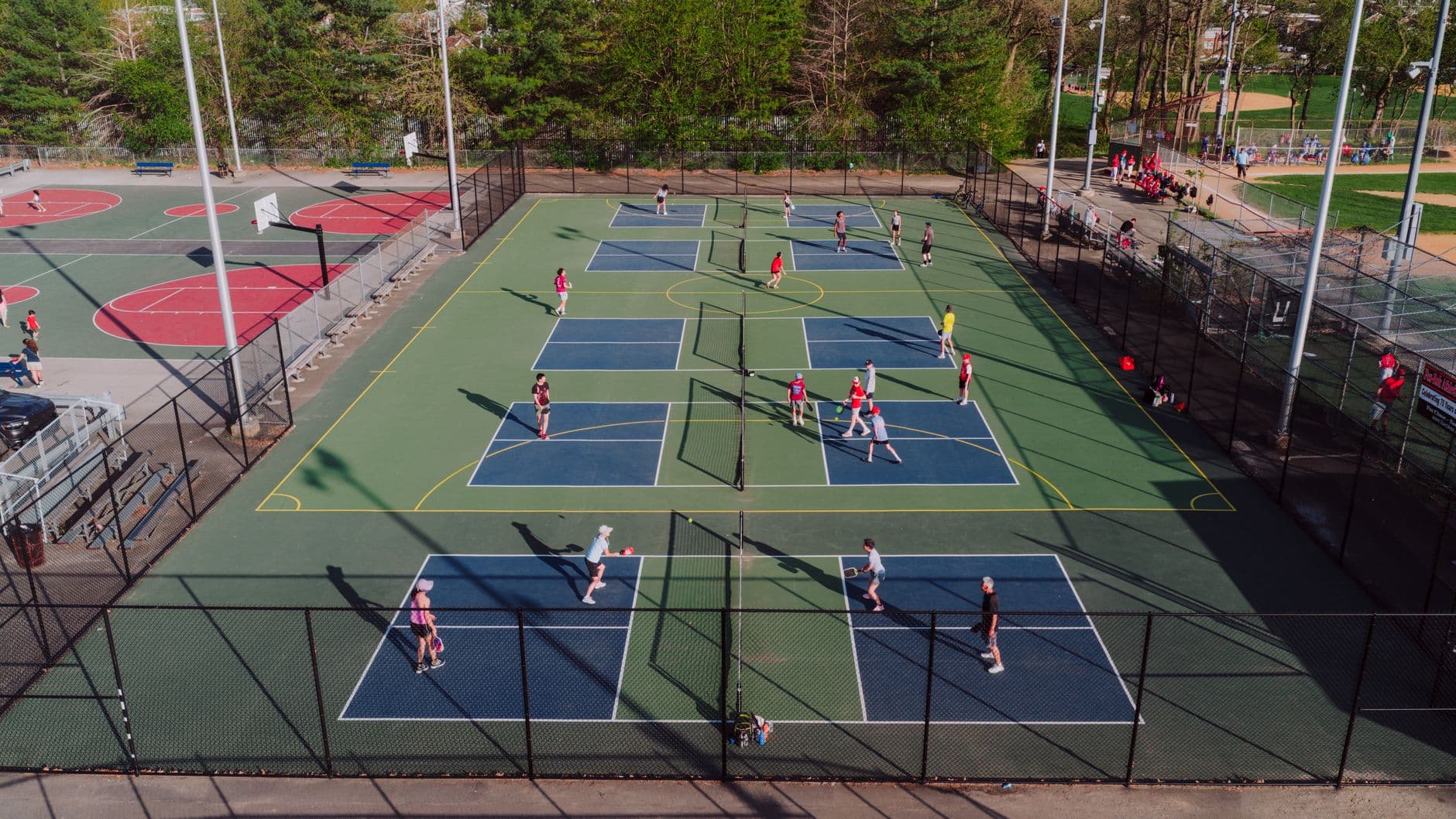
Pickleball’s growth outside prison helps explain why it has become such a useful tool inside it. The Sports and Fitness Industry Association said 24.3 million Americans played the sport in 2025, after participation rose 51.8 percent from 2022 to 2023 and 223.5 percent over three years. At CIM, that fast-growing game became something more than a trend. It became a low-barrier, structured activity that officials are using to teach cooperation, reduce friction and support rehabilitation goals that extend well beyond one tournament.
This article was produced by Prism’s automated news system from verified source data, official records, and press releases, then run through automated quality and moderation checks before publishing. The system is built and supervised by the people who set the standards it runs under. Read our full AI policy.
Did this article answer your question?


