Spartanburg pickleball boom brings new courts, lessons and tournaments
Spartanburg’s pickleball scene now spans free public courts, indoor sessions, lessons and club play, giving beginners and regulars more places to compete.
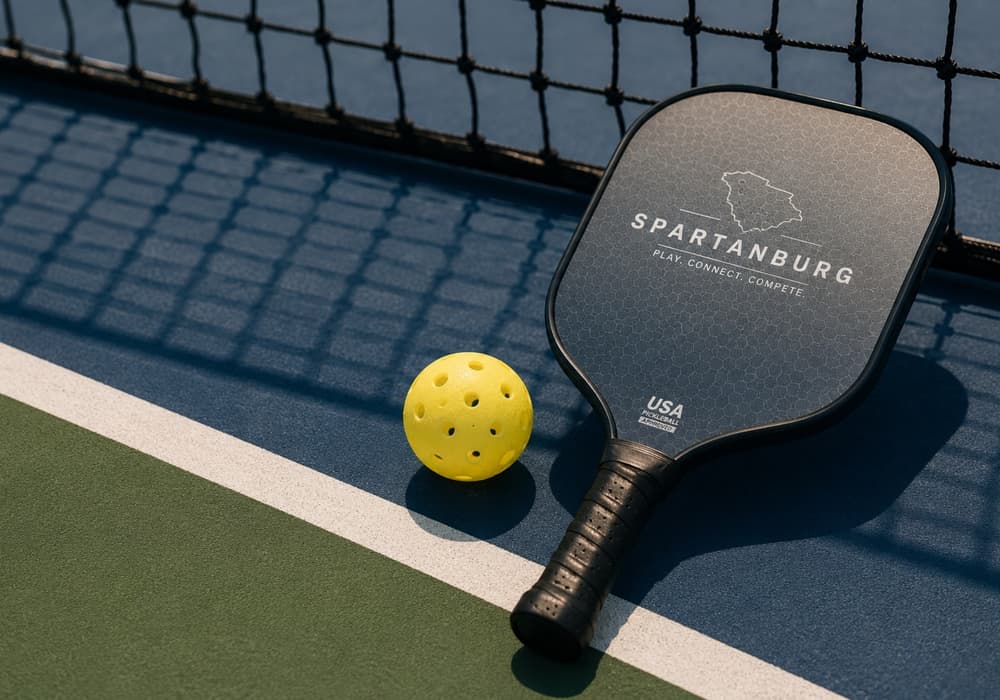
Spartanburg’s pickleball boom is no longer just a feel-good story about a trendy sport. It is now a practical map of where you can actually play, learn and compete, with free outdoor courts, scheduled indoor runs, YMCA programming and a private club adding dedicated space as demand keeps climbing.
Where to play right now
The easiest entry point is Spartanburg County Parks & Recreation, which lists free outdoor pickleball courts at Duncan Park, Va-Du-Mar McMillan Park, Gordon Henry Park in Cowpens and the T.W. Edwards Center in Pacolet. That spread matters because it gives players options across the county instead of forcing everyone into one crowded gym or one central park.
Duncan Park is the most visible example of the sport’s growth. City of Spartanburg rules say the courts are open from 7:00 a.m. to 9:00 p.m., and there are no reserved courts unless city staff posts otherwise. The city also says no lessons, leagues or tournaments can be held there without city approval, which makes Duncan Park a public-play venue first, not an open-ended event site.
Indoor play fills the gaps
When the weather turns or outdoor courts are busy, county recreation has built a reliable indoor schedule. C.C. Woodson Community Center offers indoor pickleball on Mondays, Wednesdays and Fridays from 8:30 a.m. to 10:30 a.m. Inman First Baptist Church adds another steady option on Mondays and Thursdays from 6:15 p.m. to 8:30 p.m., plus Saturdays from 9:00 a.m. to 11:00 a.m.
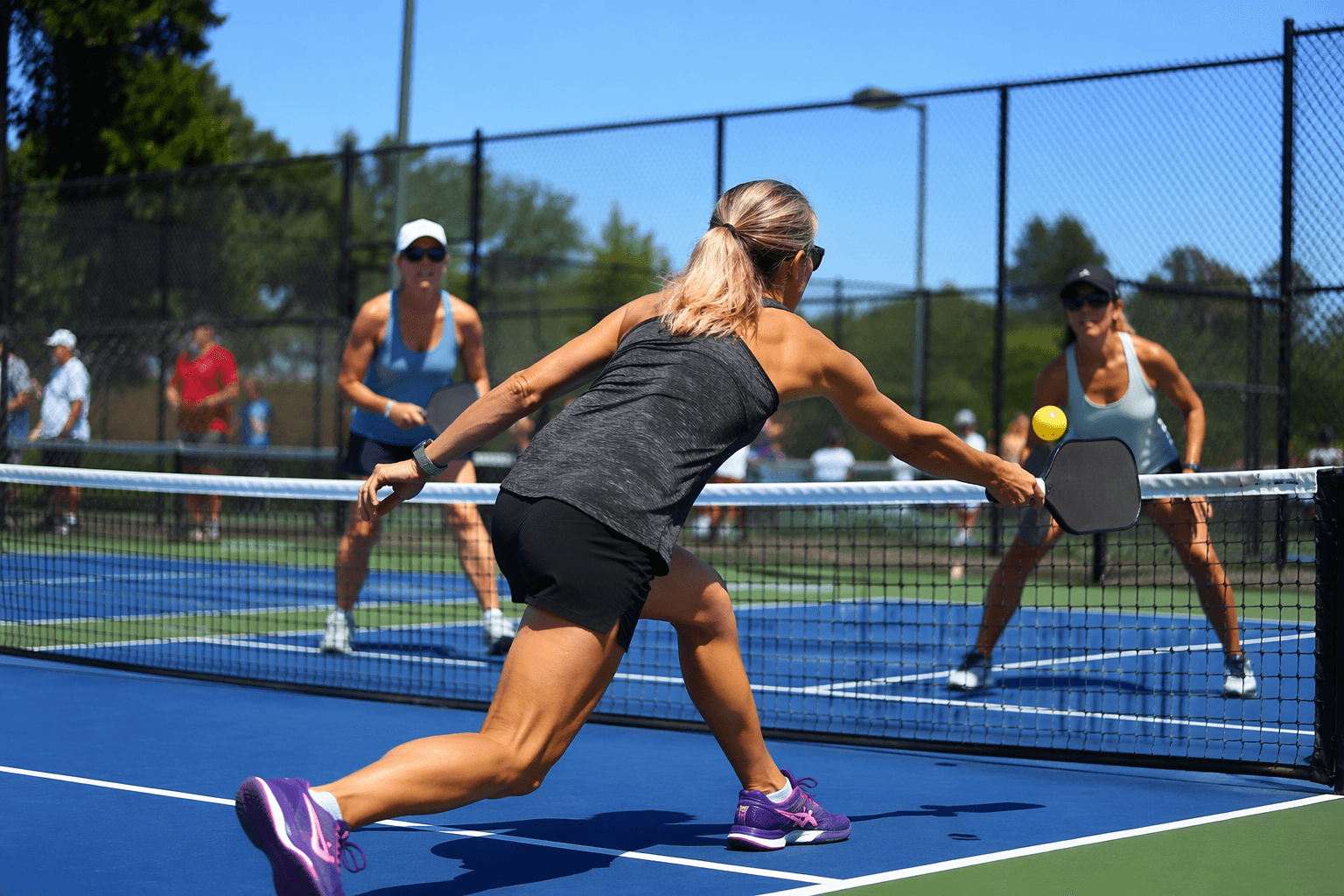
That kind of programming is important because pickleball’s growth is not just about court count, it is about access. Indoor time extends the season, broadens the player pool and gives people a place to show up without needing perfect weather or private membership. For a sport built around repetition and quick improvement, those scheduled windows can matter as much as the courts themselves.
Lessons, open play and the entry point for beginners
The YMCA of Greater Spartanburg has also added lessons and open play, which gives newcomers a simpler way in. That is a key detail in a sport where the learning curve is low enough to hook first-timers quickly, but where better instruction still helps players avoid bad habits and find the game’s rhythm faster.
The sport’s appeal is social as much as athletic. Players talk about age gaps fading once the game starts, and that helps explain why retirees, families and former tennis players keep showing up. Pickleball gives people a shared language on court almost immediately: a smaller playing area, quick points and a pace that rewards positioning and touch more than brute force.
Duncan Park’s expansion shows how demand changed the market
The clearest sign that pickleball has moved beyond novelty in Spartanburg is what happened at Duncan Park. WSPA reported on August 25, 2025 that the park was getting six pickleball courts, with the old tennis area being resurfaced and outfitted with new nets and benches. By November 24, 2025, the six new pickleball courts were officially open.

That timeline is more than a facilities update. It shows how quickly municipalities respond when participation spikes. A court conversion like that changes access for casual players, but it also changes competitive habits, because a visible, dedicated set of courts becomes a regular gathering place instead of a temporary experiment. For anyone tracking the business side of amateur sports, that is the real signal: infrastructure is following demand.
A private club adds another lane for regular players
Spartanburg Athletic Club’s addition of four dedicated courts pushes the story further. It shows that the market is not only being served by public parks and community centers, but also by private investment aimed at players who want more consistent court time and a more structured environment.
That matters because a sport grows differently when it has multiple layers of access. Public courts bring in beginners and casual drop-ins. YMCA programs help people learn. A private club can absorb some of the heavier demand from players who are ready to play more often. Together, those pieces create a more durable ecosystem than a single busy park ever could.
Tournament energy is building, not just recreational buzz
Spartanburg’s pickleball momentum also has a competitive edge now. The area has already seen the second annual Pickle Smash & Burger Bash, and it is also looking ahead to the 2026 Powerball South Carolina State Championship at Va-Du-Mar McMillan Park. That gives local players something more than pickup games and lessons, because a tournament pathway gives the sport status and a reason to sharpen up.
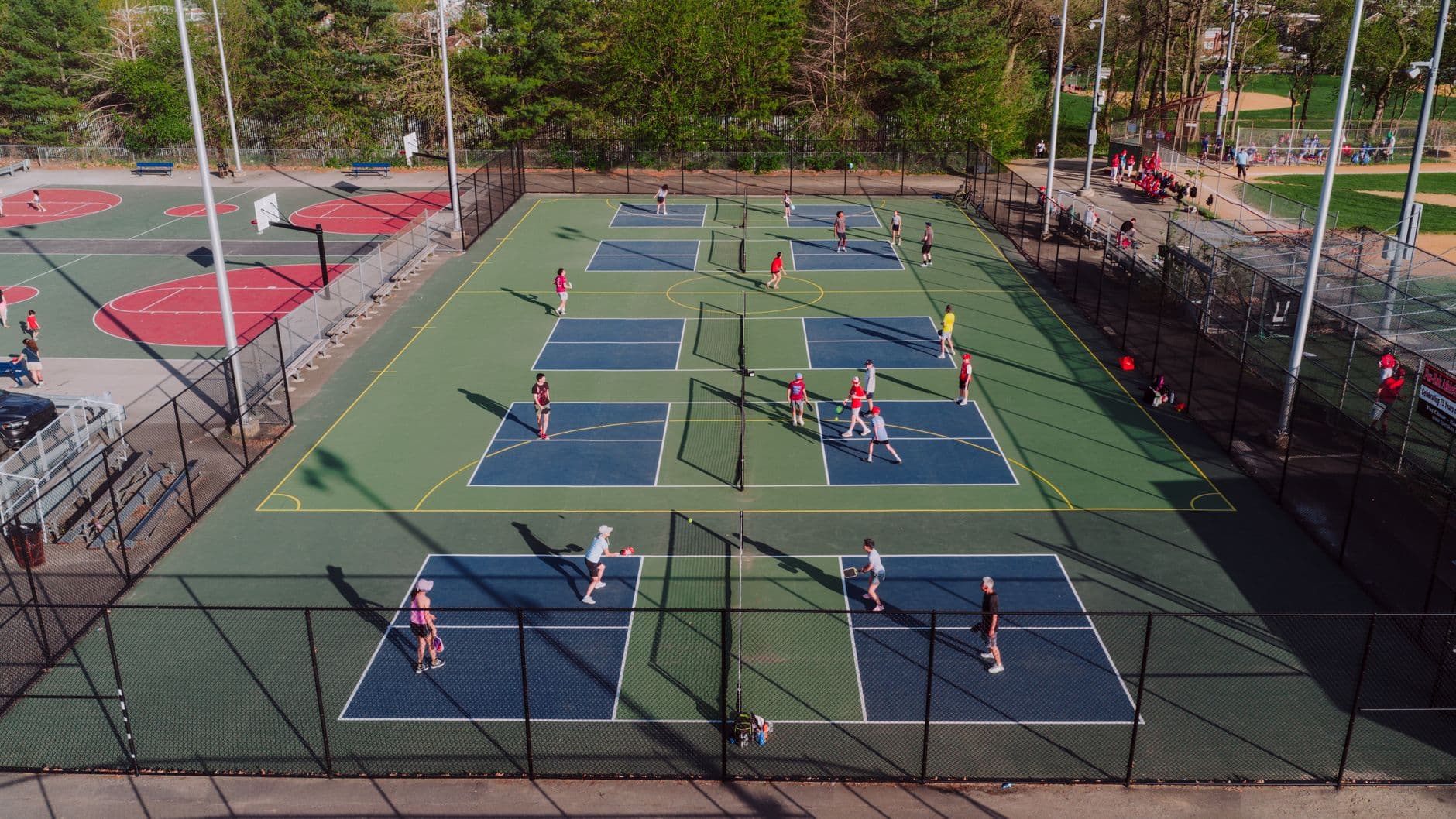
This matters socially as well. Pickleball has become one of the clearest examples of a sport that pulls together people of different ages and backgrounds without asking them to speak the same athletic language first. The game’s structure is welcoming, but the competition can still get serious fast, which is why local events, sanctioned play and dedicated courts all feed each other.
Why the boom feels different now
The scale of pickleball’s rise helps explain why Spartanburg is investing so visibly. The Sports & Fitness Industry Association says U.S. pickleball participation grew from about 4.2 million players in 2020 to more than 24 million in 2025, and says it remained the fastest-growing sport in the country in 2025. That national surge shows up locally in the court openings, lesson schedules and event calendar taking shape around Spartanburg.
The sport itself is still young by comparison. Pickleball was invented in 1965 on Bainbridge Island, Washington, which makes its current footprint even more striking. A game that began as a small backyard idea now has official governing structure through USA Pickleball, which sanctions tournaments, certifies equipment and facilities, trains referees and maintains the official rules.
Spartanburg’s version of that story is especially practical. If you want to start, you can find a public court. If you want to improve, you can find lessons and indoor sessions. If you want to compete, the tournament pathway is beginning to take shape. That combination is what turns a passing craze into a local sports culture that can last.
This article was produced by Prism’s automated news system from verified source data, official records, and press releases, then run through automated quality and moderation checks before publishing. The system is built and supervised by the people who set the standards it runs under. Read our full AI policy.
Did this article answer your question?


