Trigg County leaders eye pickleball growth for schools, tourism
KHSAA sanctioning has turned pickleball into a real school-sport opportunity in Trigg County, but courts, coaching and funding will decide how far it goes.
KHSAA sanctioning gives Trigg County a real opening
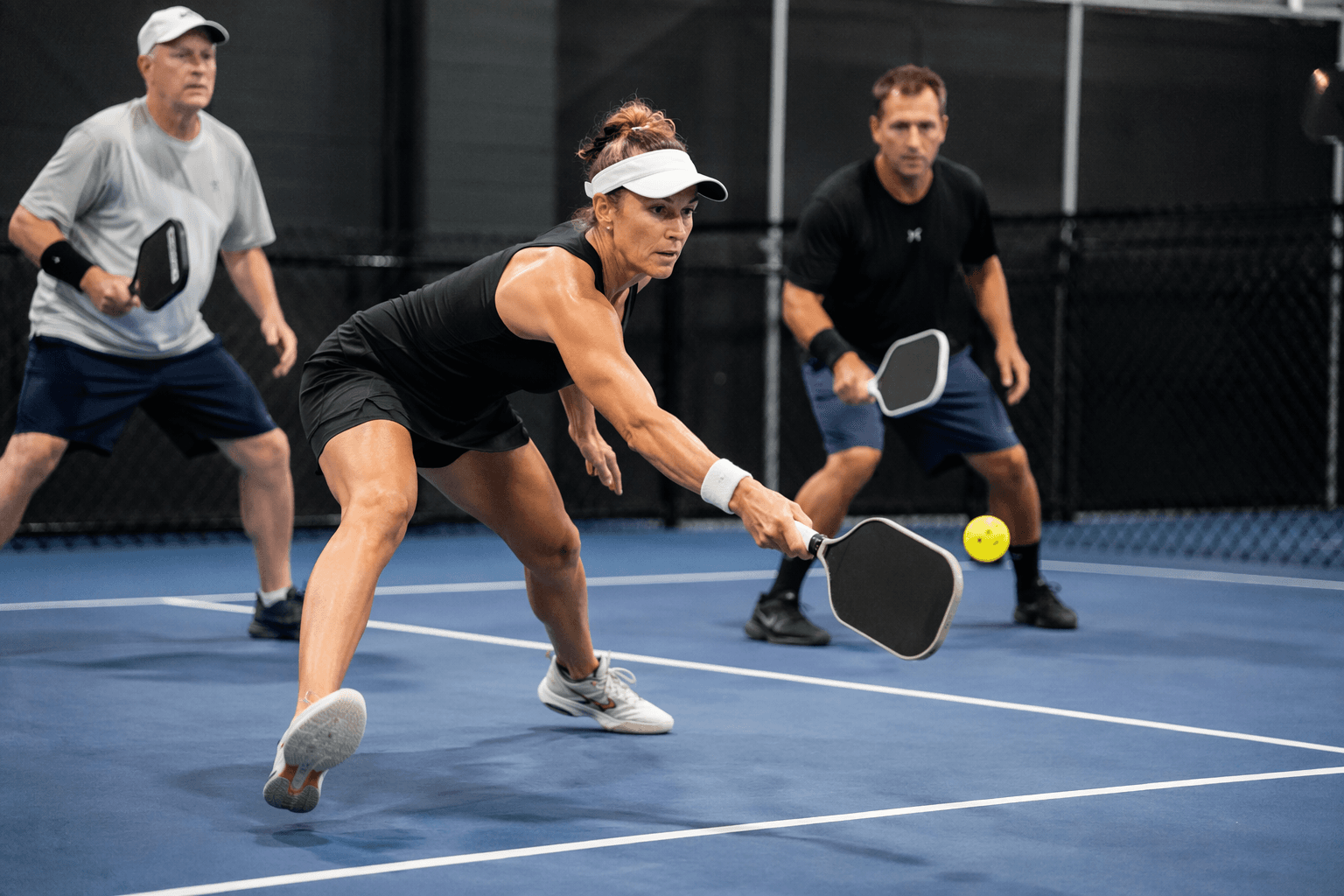
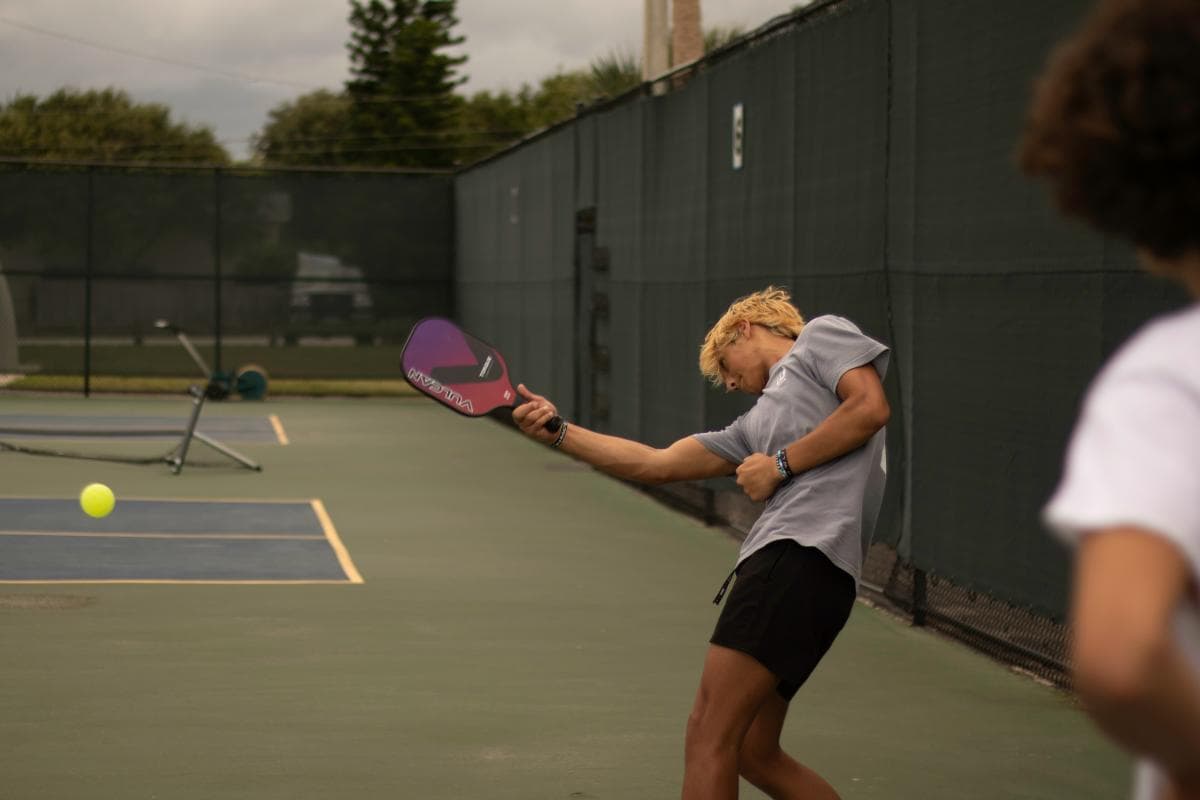
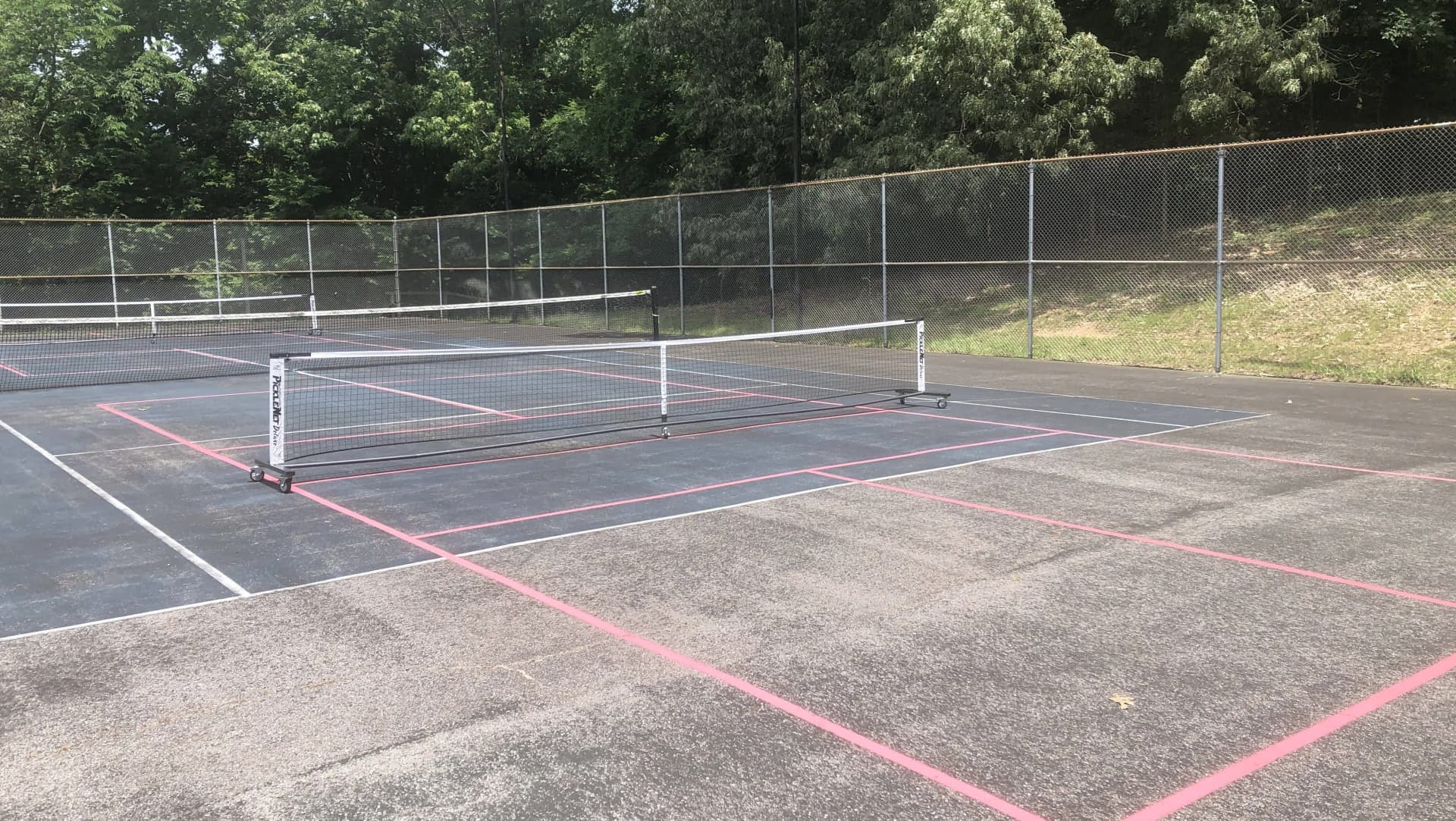
Pickleball’s leap into sanctioned Kentucky high school sports has pushed Trigg County from curiosity to planning mode. The Kentucky High School Athletic Association approved pickleball as a championship sport on May 6, 2026, and directed staff to build the rules and championship plan for the fall season of 2027-28, giving schools a clear runway to turn a fast-growing rec sport into a legitimate scholastic program.
That matters because Trigg County is not starting from a place of abundance. The county’s current pickleball footprint is tiny, but the sanctioning decision changes the stakes overnight. What was once a casual recreation option can now become part of school identity, student development and, if the county builds it right, a tourism asset tied to the broader western Kentucky outdoors economy.
Local leaders are already mapping the next move
The momentum showed up in a roundtable on Friday, June 2, 2026, when the Cadiz-Trigg County Parks and Recreation Board gathered community stakeholders to talk through future projects, available land and funding. Trigg County schools were represented by Superintendent Dr. Rex Booth, facilities manager Michael Stinnett and incoming District Athletic Director Wendy Ahart, a sign that the conversation has moved beyond recreation departments and into the school system’s long-term planning.
Booth’s view was straightforward: pickleball can serve two audiences at once. He sees a benefit for students through a new competitive opportunity, and he also sees a broader community use case because the sport fits the kind of casual but organized play that draws families, adults and visiting players. He also tied the sport to location, pointing to Lake Barkley and the Land Between the Lakes region as places that already bring people into the county and could benefit from an added amenity.
Karen Stanfield, president of the Cadiz-Trigg County Chamber of Commerce, reinforced that business angle. She noted that pickleball growth could create tourism opportunities, especially among older adults who travel for destinations that already offer courts and organized play. In other words, Trigg County is not just deciding whether to support another school sport. It is deciding whether pickleball can become part of the county’s visitor pitch.
The infrastructure gap is the first test
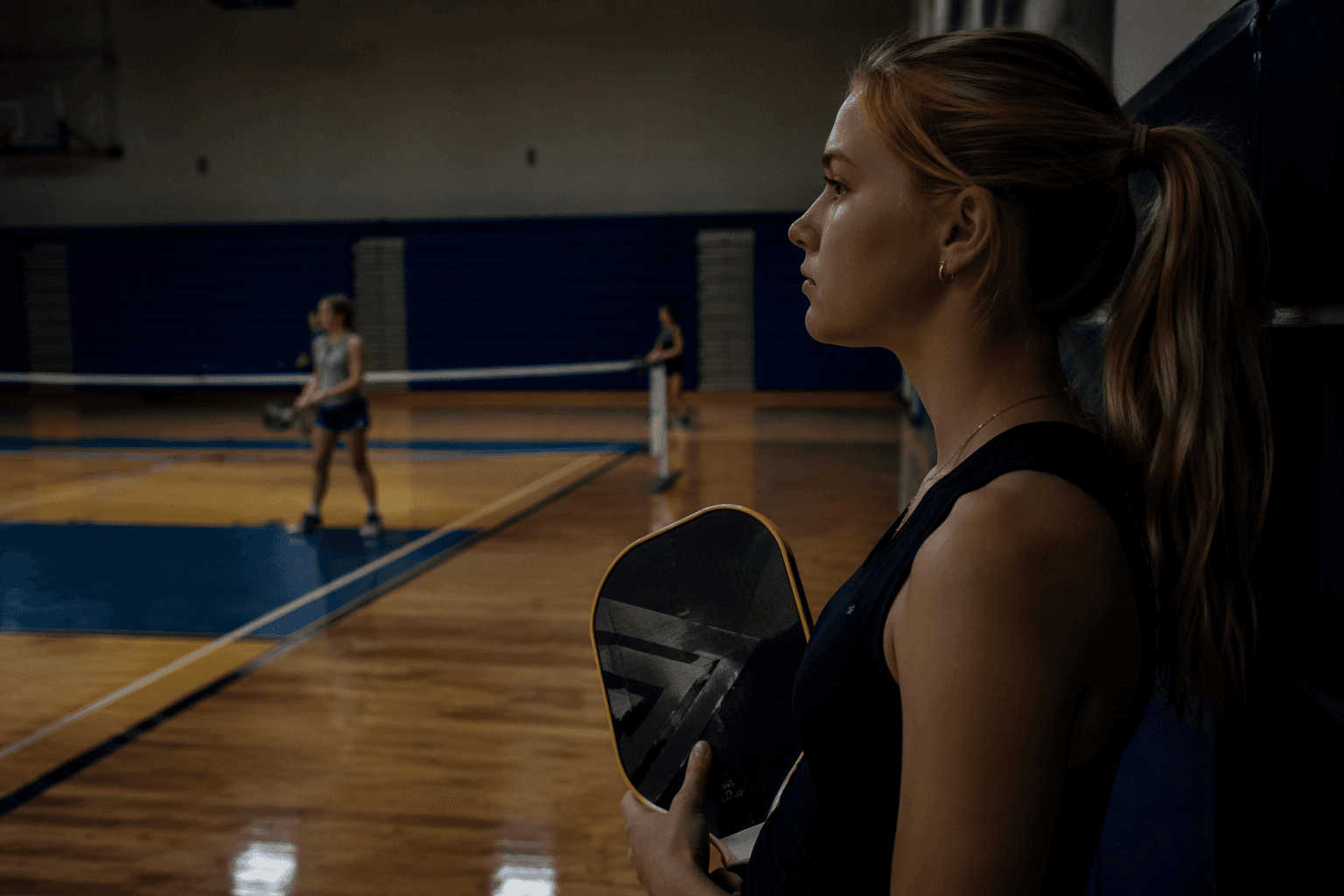
For all the enthusiasm, Trigg County’s current facilities show how much work remains. Right now, the county has only two temporary pickleball courts, lined out on the tennis courts at the Lake Barkley State Park Fitness Center and using a portable net. That setup is enough to introduce the game, but it is not enough to support a robust school pipeline, regular competition or the kind of visitor traffic that turns a sport into a destination draw.
Nearby communities have already moved faster. Hopkinsville, Princeton, Eddyville, Russellville and Murray all have new pickleball courts, which raises the bar for Trigg County and makes the county’s delay more visible. If local leaders want to keep students playing at home and entice outside players, the county will need to close that infrastructure gap quickly.
The hurdles are practical, not theoretical:
- Facilities: Two temporary courts can support casual play, but a sanctioned school sport will need dependable space, more court time and likely more than one venue option.
- Coaching: A championship program needs adults who can teach the sport, organize practices and build a developmental ladder from beginner players to competitive athletes.
- Funding: Courts, nets, striping and maintenance all cost money, and sanctioned status tends to raise expectations faster than budgets can catch up.
- Student interest: Booth’s point about youth development cuts both ways. The sport can grow if students want it, but the county will need enough participation to justify teams, practices and travel.
- Scheduling: Once pickleball becomes a school sport, it has to fit into calendars already crowded with traditional athletics, gym use and transportation logistics.
That is why the June 2 roundtable matters. The conversation was not about hype. It was about land, money and how quickly Trigg County can move from temporary courts to a system that supports school competition.

Why tourism leaders are paying attention
Trigg County’s tourism numbers explain why the county is looking at pickleball as more than a sideline sport. In 2024, tourism generated $31.2 million in total economic impact, supported 216 jobs, produced $5.7 million in labor income and delivered $2.1 million in state and local tax revenue. Those figures make clear why even a relatively small sports investment can carry outsized local value.
Pickleball fits neatly into that strategy because it is portable, social and travel-friendly. Players often look for places where they can find organized play without a club membership, and that creates an opening for destinations that already have natural traffic from Lake Barkley and Land Between the Lakes. If Trigg County can add enough courts and schedule events well, pickleball could help extend stays, support local businesses and give visitors another reason to choose Cadiz over a competing stop.
The county also has a timing advantage. KHSAA had already posted an Emerging/Candidacy Offering for pickleball on July 14, 2025, which shows the sport had been under consideration before formal approval. That long lead time gives Trigg County a chance to plan rather than scramble. Schools can evaluate whether to build from scratch, partner with parks officials or use temporary facilities as a bridge while permanent options are developed.
What sanctioned status could mean for local athletes
For students, the biggest change is simple: pickleball is no longer just a rec activity. Sanctioned status turns it into a pathway to structured competition, with rules, championship oversight and the possibility of school pride attached to results. If Trigg County can pair that with youth development opportunities, as Booth suggested, the county could build a pipeline that starts with casual play and ends with a team sport that gives students another reason to stay engaged.
That is the real opportunity hiding inside the court lines. A sanctioned sport can do more than fill a gym schedule. It can create a new entry point for athletes, a new gathering place for residents and a new reason for travelers to stop in western Kentucky. For Trigg County, pickleball is no longer just the game on the side of the tennis court. It is a test of whether the county can turn a trend into infrastructure, and infrastructure into lasting value.
This article was produced by Prism’s automated news system from verified source data, official records, and press releases, then run through automated quality and moderation checks before publishing. The system is built and supervised by the people who set the standards it runs under. Read our full AI policy.
Know something we missed? Have a correction or additional information?
Submit a Tip