Vietnam's pickleball depth signals regional power shift in Asia
Vietnam isn’t just winning draws, it’s stacking finals, rankings and top-20 spots fast enough to set the Asian standard.

Phúc Hunh’s run through the Michelob ULTRA Asia Pickleball Tournament was not just another title. It was a warning shot to the rest of Asia: Vietnam now has the depth to turn elite events into domestic affairs, and that changes the way regional power gets measured.
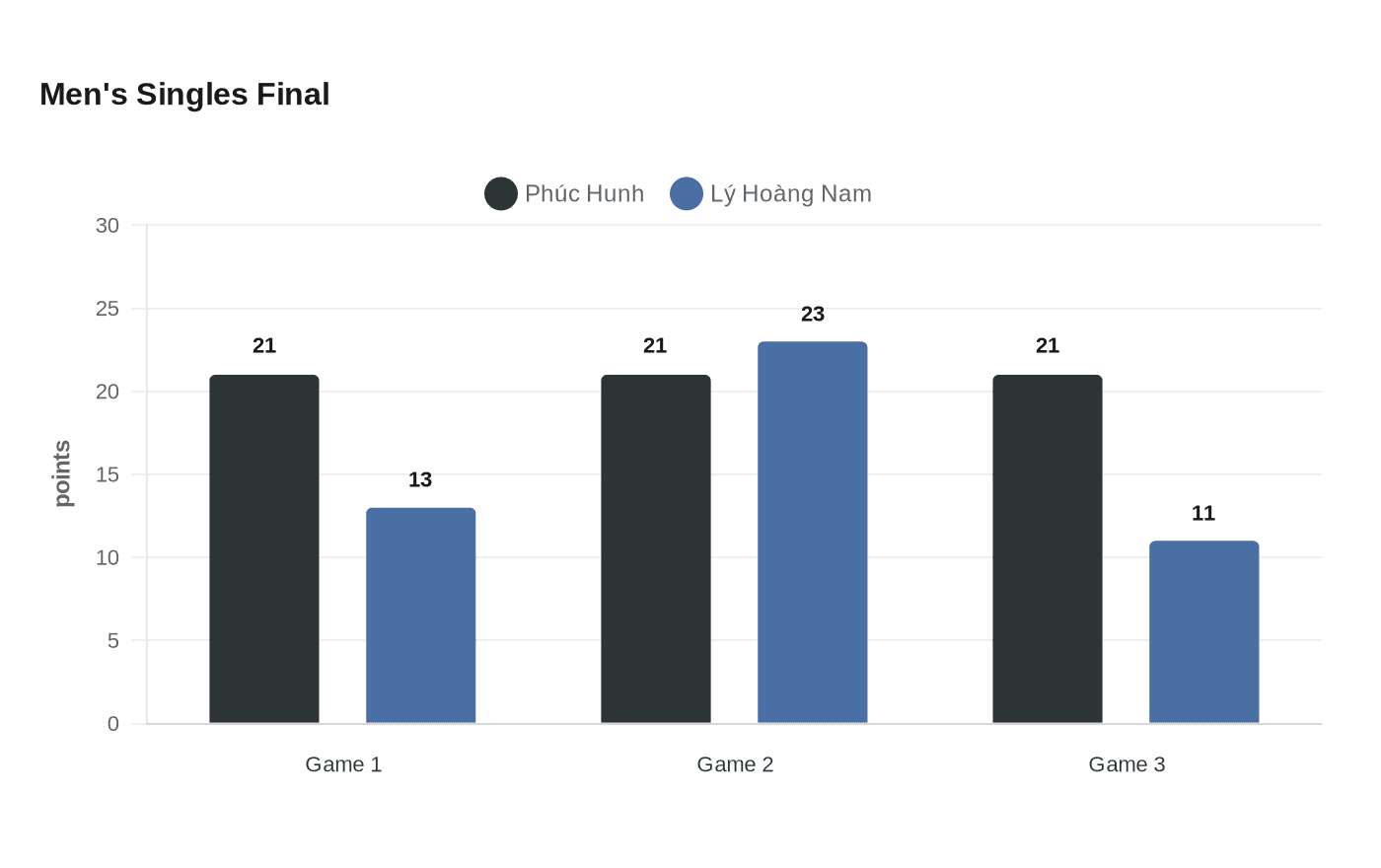
The clearest proof came in the men’s singles final at VIAS Pickleball Academy in Ho Chi Minh City, where Hunh beat Asian No. 1 Lý Hoàng Nam in three games, 21-13, 21-23, 21-11, for gold. With a total prize pool of VNĐ3 billion, or about US$38,000, this was a serious stage, and Vietnam did not merely place a player on top of it. It filled both spots in the final.
Why one all-Vietnamese final matters
That matters because pickleball depth is not built on one star. It is built on the repeated ability to survive a bracket, absorb pressure, and still land multiple players in the late rounds. World Pickleball Magazine’s read on the tournament was blunt: Hunh’s win underlined a bigger shift, with Vietnam now placing five players inside Asia’s men’s top ten.
That kind of spread is what separates a hot streak from a real program. If one country can send different names into finals, medals, and high-value matches, it can keep collecting results even when opponents game-plan for a single face. Vietnam is no longer depending on one breakout performer to carry the flag.
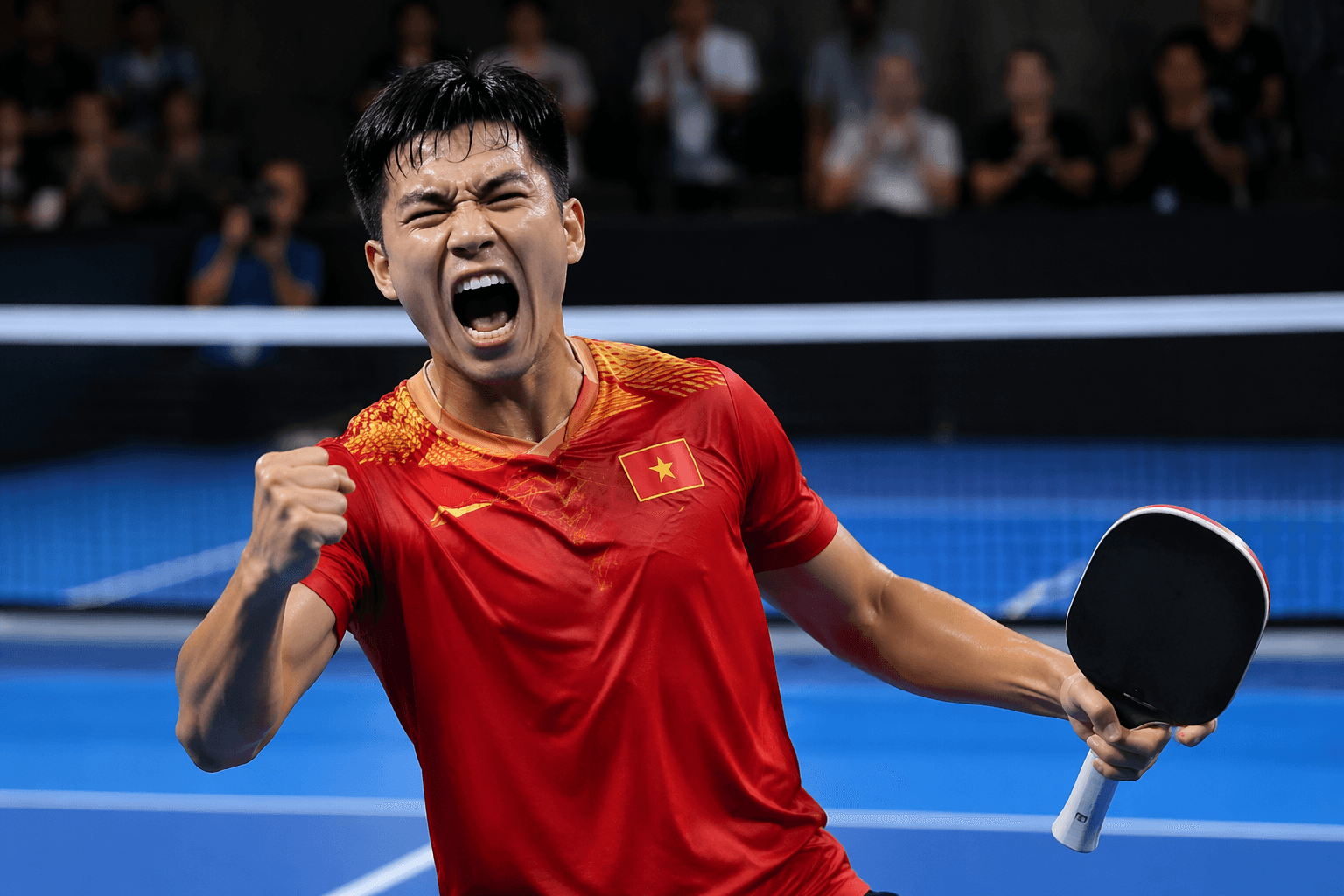
The bigger takeaway is structural. Rival nations are not just chasing one player now, they are chasing a player pool that keeps producing answers. In a sport that is still sorting out its Asian hierarchy, that is the kind of edge that can linger well beyond one tournament weekend.
Hunh’s pattern is the tell
Hunh’s latest title did not happen in isolation. Earlier in 2025, he also defeated Hoàng Nam in the men’s singles final at the MB Vietnam Open 2025 in Ho Chi Minh City, winning 2-0, 11-5, 11-1. PPA Tour Asia described that performance as a home-court gold moment, especially because Hunh had taken silver in Fukuoka the week before.
That sequence says a lot about competitive maturity. Hunh is not just winning when conditions are perfect. He is carrying form across venues, converting one tournament’s momentum into the next, and doing it against the same national rival who sits at the top of the Asian conversation.
World Pickleball Magazine also reported that Hunh finished third overall in the inaugural PPA Tour Asia rankings. That detail matters because it shows the results are being reinforced by season-long standing, not just one-off spikes. Add in the report that Vietnam has three men inside the global top 20, and the picture gets even sharper: this is not a single-player storyline, it is a national pipeline showing up on multiple lists at once.
The system behind the results
The real story behind Vietnam’s rise is not just talent. It is repetition, tournament exposure, and a growing calendar of high-level matches that give top players a chance to sharpen against each other before they leave the country. When Hunh and Hoàng Nam keep meeting in finals, the standard does not drift. It gets harder.
Vietnam is also gaining from hosting the sport’s biggest stages. The PPA Tour Asia - MB Vietnam Cup 2025 in Da Nang was described by local coverage as Asia’s biggest pickleball event at the time, and that kind of event infrastructure matters. If the country is both hosting marquee tournaments and producing the finalists who win them, the feedback loop gets stronger.
That is how a pickleball nation forms. Development creates more capable players. More capable players create deeper draws. Deeper draws create better tournament exposure. Better tournament exposure creates stronger results. Vietnam appears to be moving through that cycle faster than the region around it.
What this means for the rest of Asia
For other Asian programs, the warning is simple: the bar is no longer a lone upset or a single breakout champion. The benchmark is whether a country can show up across multiple draws, multiple rankings, and multiple finals with the same level of pressure resistance. Vietnam is doing that now.
The Michelob ULTRA Asian Open made the point in the clearest possible way. The event produced a final between two Vietnamese players, was played for a meaningful prize pool, and ended with Hunh edging the region’s top-ranked player. That is the profile of a program that can absorb competition and keep returning it stronger.
Asian pickleball is becoming more structured, more competitive, and far less predictable. But Vietnam is already benefiting from that evolution instead of merely reacting to it. The country is not an emerging story anymore. It is the reference point.
This article was produced by Prism’s automated news system from verified source data, official records, and press releases, then run through automated quality and moderation checks before publishing. The system is built and supervised by the people who set the standards it runs under. Read our full AI policy.
Did this article answer your question?


