Arm wrestling grew from a saloon contest to global sport
A saloon bout in Petaluma became the seed of a sport built by federations, championships and rules that now span 80-plus member nations.
Arm wrestling stopped being just a test of who could crush a hand once organizers gave it a calendar, a rulebook and a world title. The sport’s modern rise runs through a few decisive milestones: a 1952 bar contest in Petaluma, the Canadian Armwrestling Federation’s launch in 1976, the first national championships in 1977 and the first world championship in 1979. Those steps turned a roughhouse pastime into an international circuit with clear classes, referees and federations.
From a saloon table to a sport with structure
The commonly traced starting point is Gilardi’s Saloon in Petaluma, California, where journalist Bill Soberanes staged the first organized armwrestling competition in 1952. That detail matters because it shows the sport already had a public, competitive identity long before it had formal institutions. The Armwrestling Archives says the organized game grew from that back-room setting into a discipline practiced in close to 70 countries, which is a huge leap for something that began as a local novelty.
That early origin also explains the sport’s culture. Arm wrestling has always kept the directness of a tavern challenge, but once organizers started treating it like a real sport, it became possible to build events that could travel, repeat and crown legitimate champions. The shift from one-off matches to scheduled competition is what gave pullers a ladder to climb instead of a single evening’s bragging rights.
Canada built the template for national and world competition
The Canadian Armwrestling Federation dates its founding to 1976, with John Miazdzyk and Borden Letawsky named in the federation’s history as the founders. The next year, it began staging annual national championships, giving the sport a recurring domestic calendar rather than isolated local meets. In 1979, Canada hosted the first WAF World Championship in Wetaskiwin, Alberta, and that first world event drew competitors from Canada, the U.S.A., Brazil and India.
That sequence is the blueprint for how arm wrestling became legitimate on the international stage. A national federation created consistency at home, annual championships created rankings and selection pressure, and a world championship created a clear prize beyond local bragging rights. Once that pattern existed in Canada, other countries could copy it and build their own pathways into world competition.
The federation era standardized how matches are fought
The World Armwrestling Federation says it was founded in 1977 and has grown to 82 member countries. Its calendar now runs through annual world championships and continental qualifiers across Europe, Asia, the Americas, Africa and Oceania, which means pullers are no longer isolated by geography. They enter a system with common rules, common weights and common routes to the top.
That standardization is the sport’s real institutional achievement. Once federations began aligning referee training, weight classes and championship schedules, athletes could compete across borders without the contest changing every time they crossed one. The WAF’s rules have been formally revised many times since the first published origin date of September 1994, a sign that the sport has not frozen into tradition but kept tightening its competitive framework as it grew.
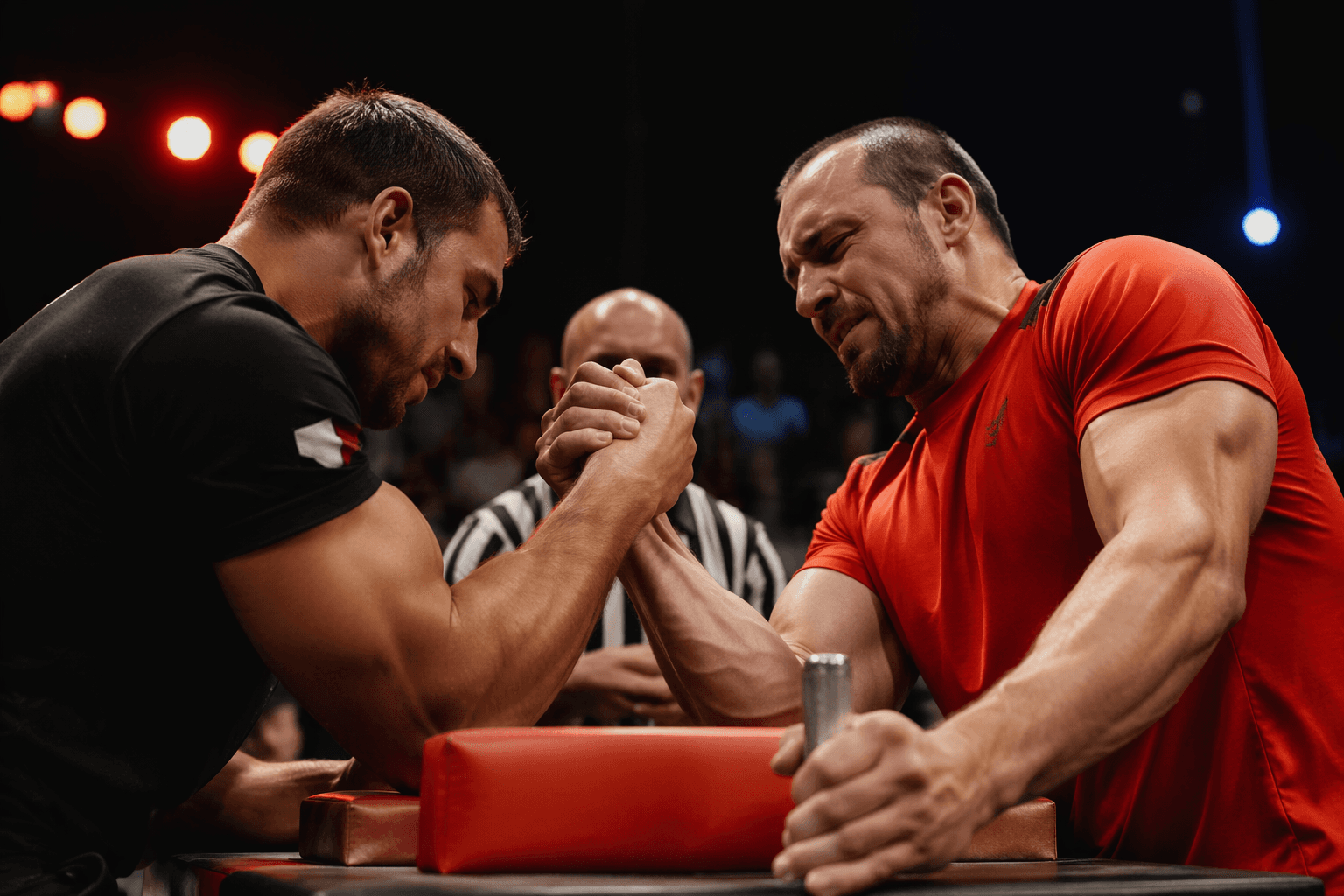
The federation era also preserved the names of the people who built it, from Bill Soberanes and the Canadian founders to later organizers and officials such as Assen Hadjitodorov, Yoshinobu Kanai, Yoko Yamada, Fred Roy, Cathy Morrison, Lise Blanchard and Rick Blanchard. Their significance is not in brute strength but in administration, because arm wrestling’s global identity rests on the people who created the structures that made borders, brackets and titles possible.
Recognition changed the business of the sport
A major turning point came on April 20, 2018, when the Global Association of International Sports Federations granted WAF full membership. GAISF had already given WAF Observer Status in October 2017, placing it among the first group of international federations to move into that recognition track. Full membership matters because it helps validate the sport in the eyes of sponsors, organizers and multi-sport institutions, and the archives note that fewer than 100 sports hold that status.
That recognition did not change what happens at the table, but it changed how the sport is seen off it. Once arm wrestling had a place in the international federation system, it was easier to present it as a legitimate medal sport rather than a sideshow. That shift affects everything from event bidding to sponsorship value, because business follows structure, and structure is what arm wrestling spent decades building.
Japan shows how the sport expanded without losing its roots
Japan’s arm wrestling body, JAWA, says it was established in 1977 and now has more than 40 prefecture federations. It has long hosted national events for juniors, masters and disabled athletes, and it officially joined the International Federation of Armwrestling in 2019. Those facts show how the sport spread not just through elite championships, but through local federation networks that can support different age groups and levels of ability.
The inclusion piece is especially important. Current WAF registration materials include para-athlete classes and classes for Cerebral Palsy, and JAWA says it has hosted disability-inclusive competitions for more than 30 years. That means the sport’s institutional growth has also widened access, giving athletes more pathways into competition and forcing the ruleset to account for different bodies, not just the strongest grip on the table.
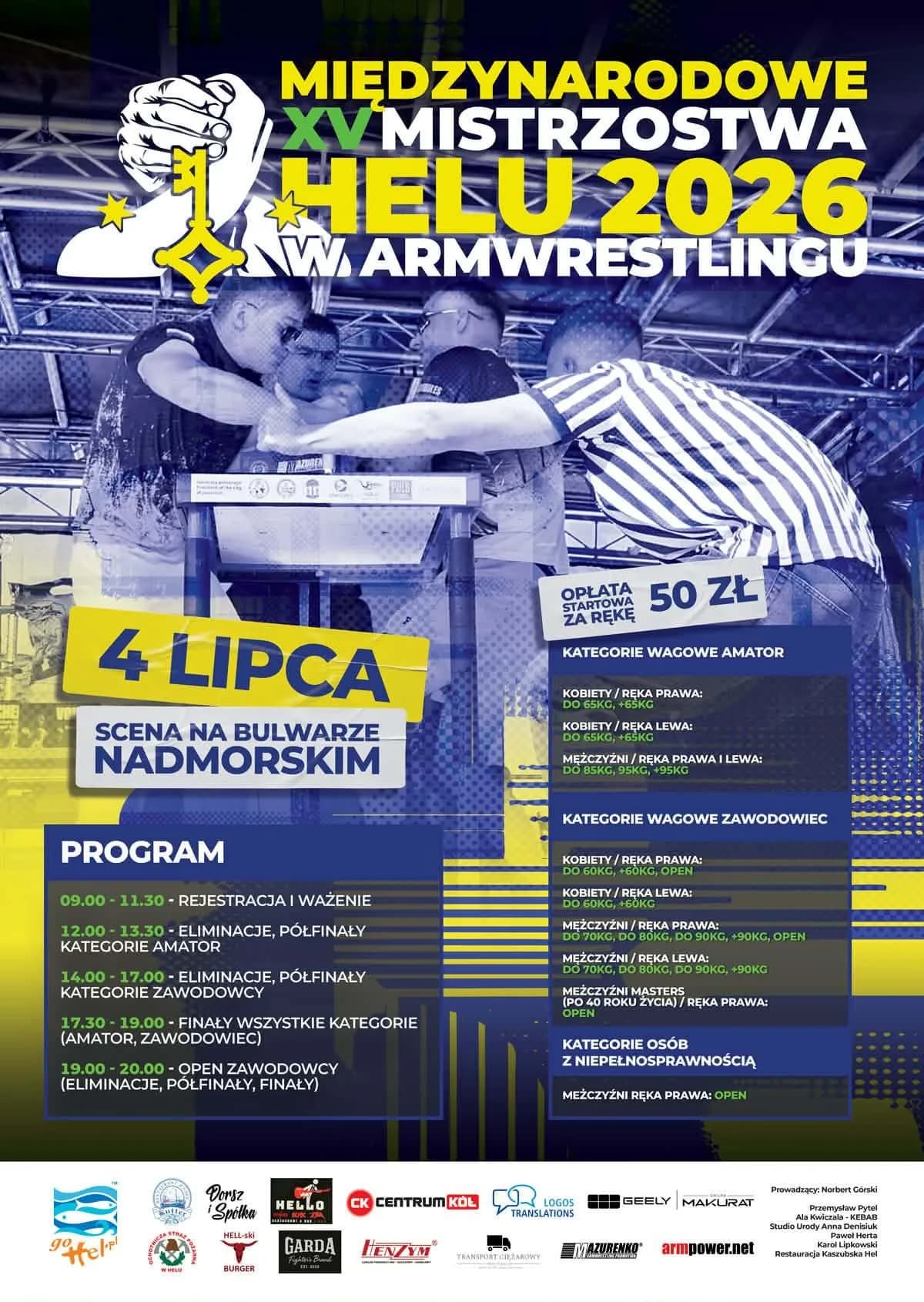
The 2026 WAF registration platform already lists the Budapest, Hungary European and Para-Armwrestling Championships, a concrete sign that this structure is still active and expanding. WAF’s categories run from Sub-Junior through Grand Masters, so the modern sport now carries a full age ladder alongside its para divisions. That is the farthest possible distance from Gilardi’s Saloon: a global system with member countries, classification rules and championship routes that keep arm wrestling competitive, organized and unmistakably international.
This article was produced by Prism’s automated news system from verified source data, official records, and press releases, then run through automated quality and moderation checks before publishing. The system is built and supervised by the people who set the standards it runs under. Read our full AI policy.
Did this article answer your question?