How arm wrestling spread into Eastern Europe and reshaped competition
A few exchange trips, a donated table, and Soviet-era federation building turned Eastern Europe from newcomer to armwrestling’s dominant engine.

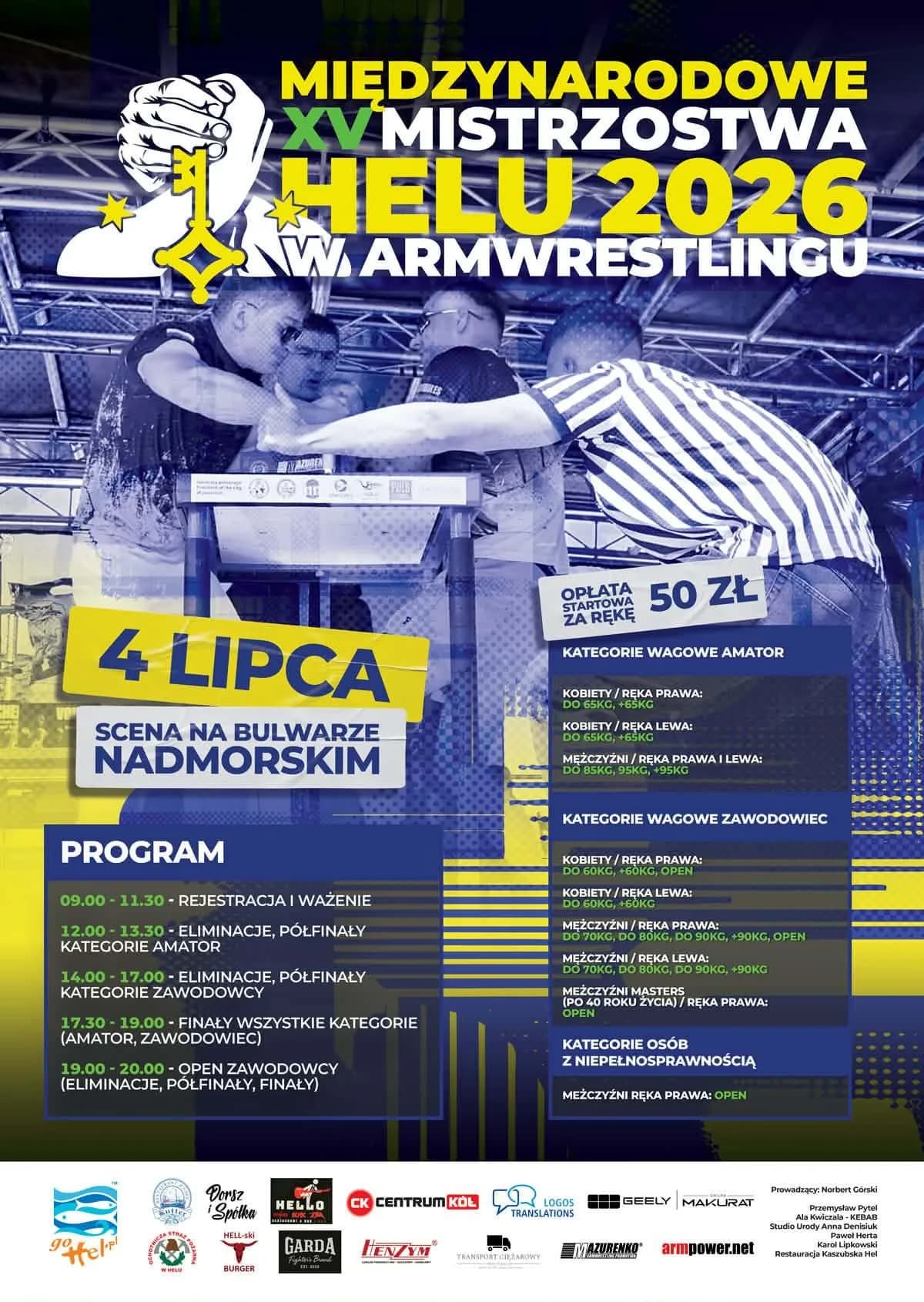
Armwrestling did not conquer Eastern Europe by accident. It arrived through a powerlifting exchange, a professional video, and a donated table built to spec, then spread through Soviet sports institutions into federations that changed the sport’s competitive math. By the time the numbers flipped, Eastern Europe was no longer just another region on the entry list. It was setting the standard.
How the sport first built its international spine
The modern version of the sport was already organized before the Eastern bloc opened its doors. The Canadian Armwrestling Federation traces its own start to 1976, says annual national championships began in 1977, and records the first WAWF World Championship in 1979 in Wetaskiwin, Alberta, with Canada, the U.S.A., Brazil, and India in attendance. That matters because Eastern Europe did not inherit a loose pastime. It inherited a formal sport with rules, officials, equipment standards, and a world circuit already in motion.
The Armwrestling Archives puts the sport’s global reach at more than 80 countries today. That scale helps explain why the Eastern European story was bigger than one exhibition or one set of champions. Once armwrestling crossed into the Soviet sphere, it entered a system capable of turning a niche contest into a repeatable athletic program, then exporting that program back out to the rest of the world.
The 1988 opening was a transfer of knowledge, not just bodies
The pivotal break came in late July 1988, when Dr. James Stoxen was in Russia for a USA vs. Soviet Union powerlifting exchange and met Canadian exercise scientist Dr. Edmund Enos. Enos did not initially know that armwrestling already existed as an organized sport, which is exactly why the meeting mattered. Once he learned about the World Arm Wrestling Federation, he helped open conversations with Soviet sports authorities.
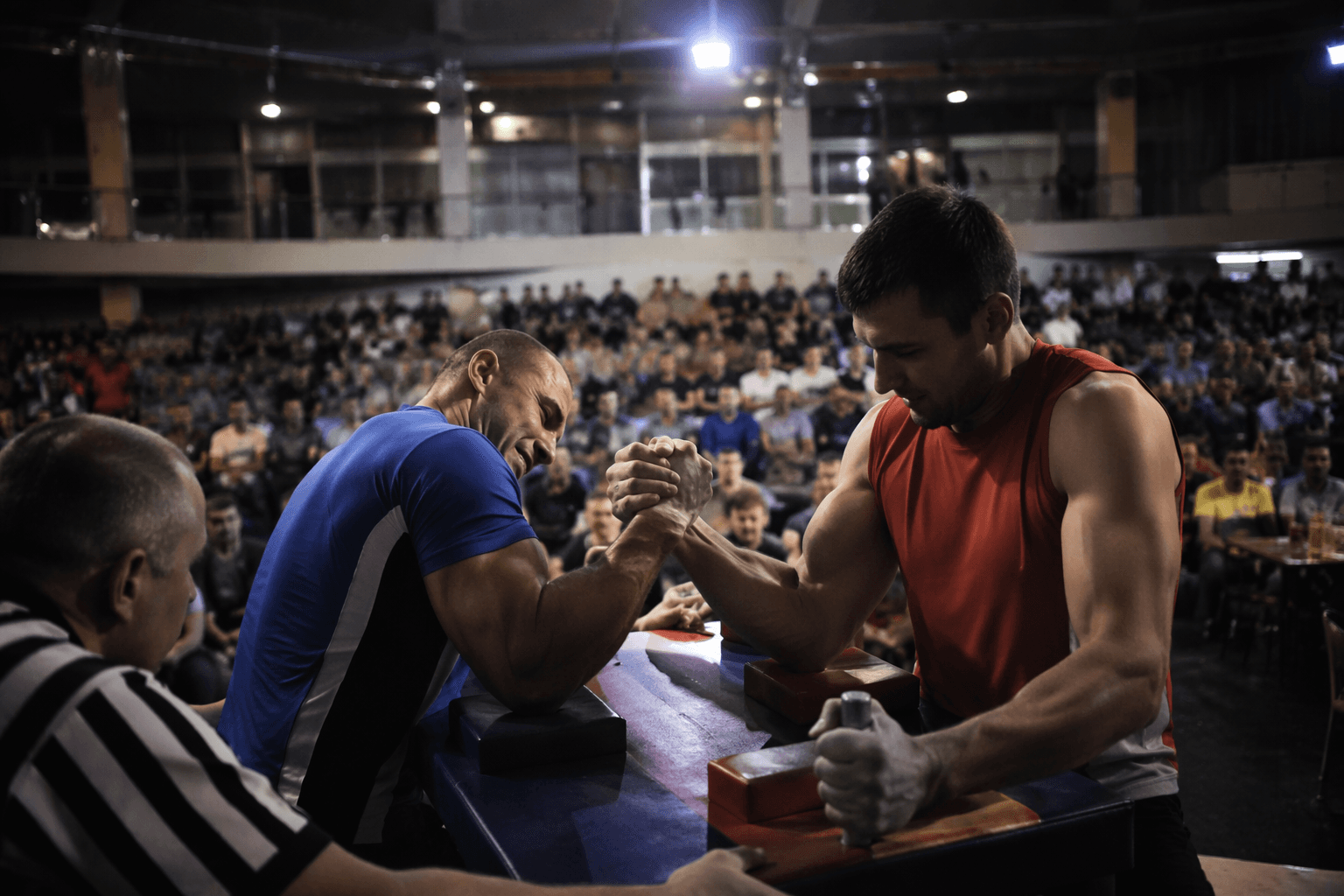
That is the real transmission path: not a viral clip, not a one-night exhibition, but institutional access. The WAWF supplied a professional video of the 1987 World Championships in England so Soviet organizers could study the sport, and it donated a table built to WAWF specifications so local hosts could learn to build their own. The message was clear: if you wanted the sport, you had to learn the rules, the geometry of the table, and the way serious pullers trained for it.
The package that followed was even more revealing. The event was planned for the second week of August 1989, was open to pullers of different ability levels, and was paired with a cultural and sightseeing program. Participation was listed at $2,375 per person, a price that the archives notes was beyond the reach of many interested pullers. North American athletes were also scheduled to hold information sessions to demonstrate technique and training methods. This was a clinic, a diplomacy trip, and a development camp rolled into one.
Why Eastern Europe absorbed the sport so fast
Eastern Europe did not just add competitors. It added an athletic machine. The Soviet sports system was built around centralized coaching, formal institutions, and rapid imitation of methods that worked, which is why armwrestling took root so efficiently once the door opened. The first post-opening competitions helped prompt the formation of the USSR Armwrestling Federation in 1990, and after the Soviet Union collapsed in 1991, federations spread within several eastern bloc nations. The sport had found a home in a region where organization was not an afterthought.
That shift shows up in the results. The Armwrestling Archives says Eastern Europeans made up 11 of the top 30 pullers in the 1990s. By the 2000s, more than half of the top 30 came from Eastern Europe, while North Americans had fallen to less than a quarter of the list. That is not a random hot streak. It is what happens when a region takes in the sport’s rulebook, equipment standards, and coaching language, then builds a pipeline around them.
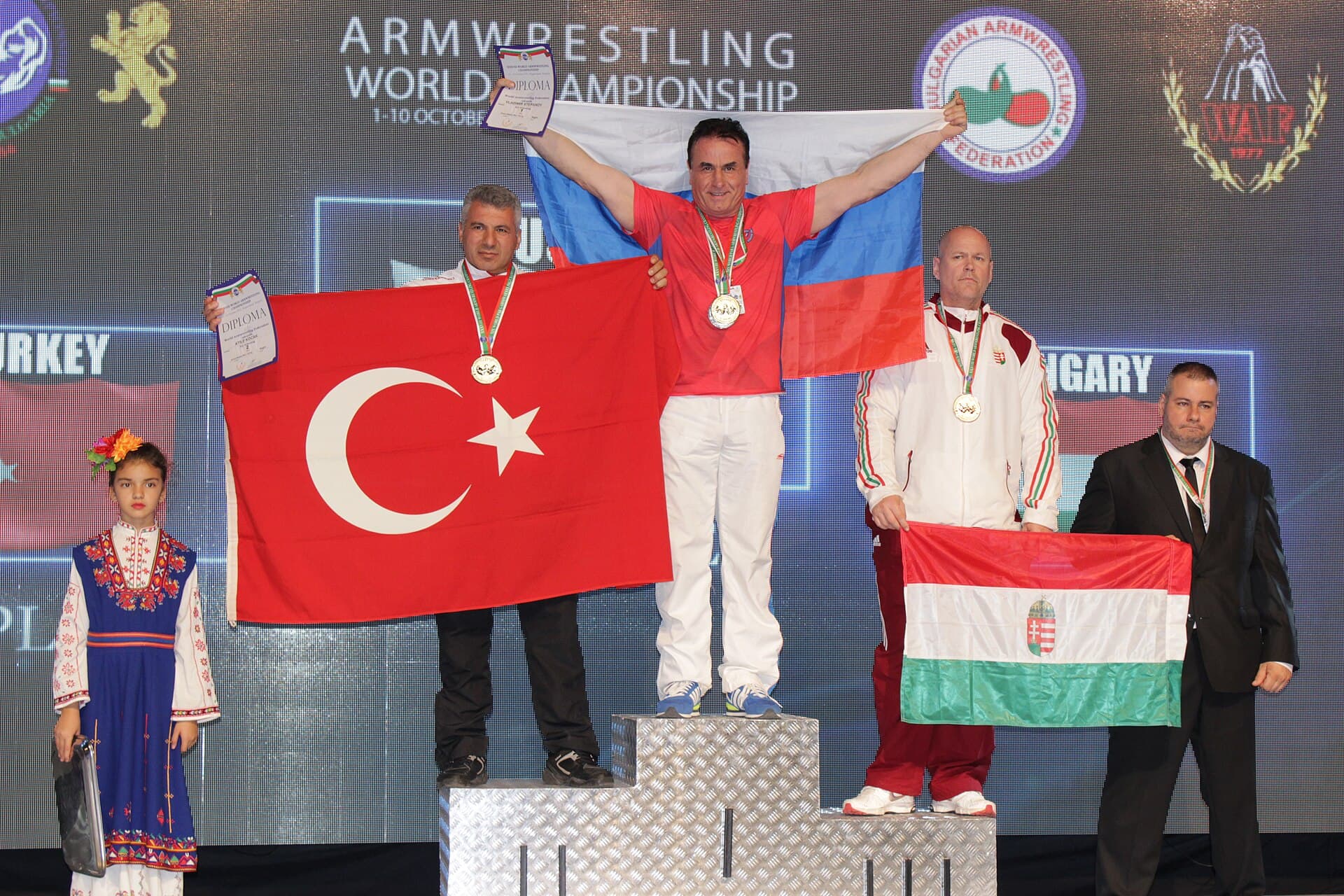
The style changed with the geography. Once the WAWF table specs, video study, and technique sessions were absorbed into Soviet and post-Soviet training environments, the sport stopped looking like a raw test of leverage and started looking like a disciplined technical duel. Eastern Europe became the engine because it treated armwrestling like a serious strength sport, not a sideshow.
The federation era locked in the new order
Once the Soviet opening happened, institutional gravity took over. The USSR Armwrestling Federation gave the sport a formal base in 1990, and the collapse of the Soviet Union in 1991 scattered that model across multiple eastern bloc nations. That mattered because federations do more than sanction matches. They standardize coaching, create domestic ladders, and turn local talent into repeat international contenders.
Canada’s own hosting record shows how quickly the global circuit expanded alongside that eastern rise. The Canadian federation lists WAF World Championships in Edmonton in 1993, Thunder Bay in 1998, Ottawa in 2003, and Kelowna in 2008. Those events marked a sport that was no longer centered in one country or one style, but they also underline the shift in power: by then, Eastern European pullers were already driving the podium while the old North American core was fighting to keep pace.
The Eastward shift changed armwrestling in three measurable ways. It raised the standard for training by turning technique into curriculum. It changed styles by pushing the sport into a more systematic, institution-backed form. And it changed who dominated the podium, with Eastern Europe moving from a minority presence in the 1990s to the majority of elite names in the 2000s. That is how a sport gets remade: one exchange, one table, one federation at a time.
This article was produced by Prism’s automated news system from verified source data, official records, and press releases, then run through automated quality and moderation checks before publishing. The system is built and supervised by the people who set the standards it runs under. Read our full AI policy.
Did this article answer your question?