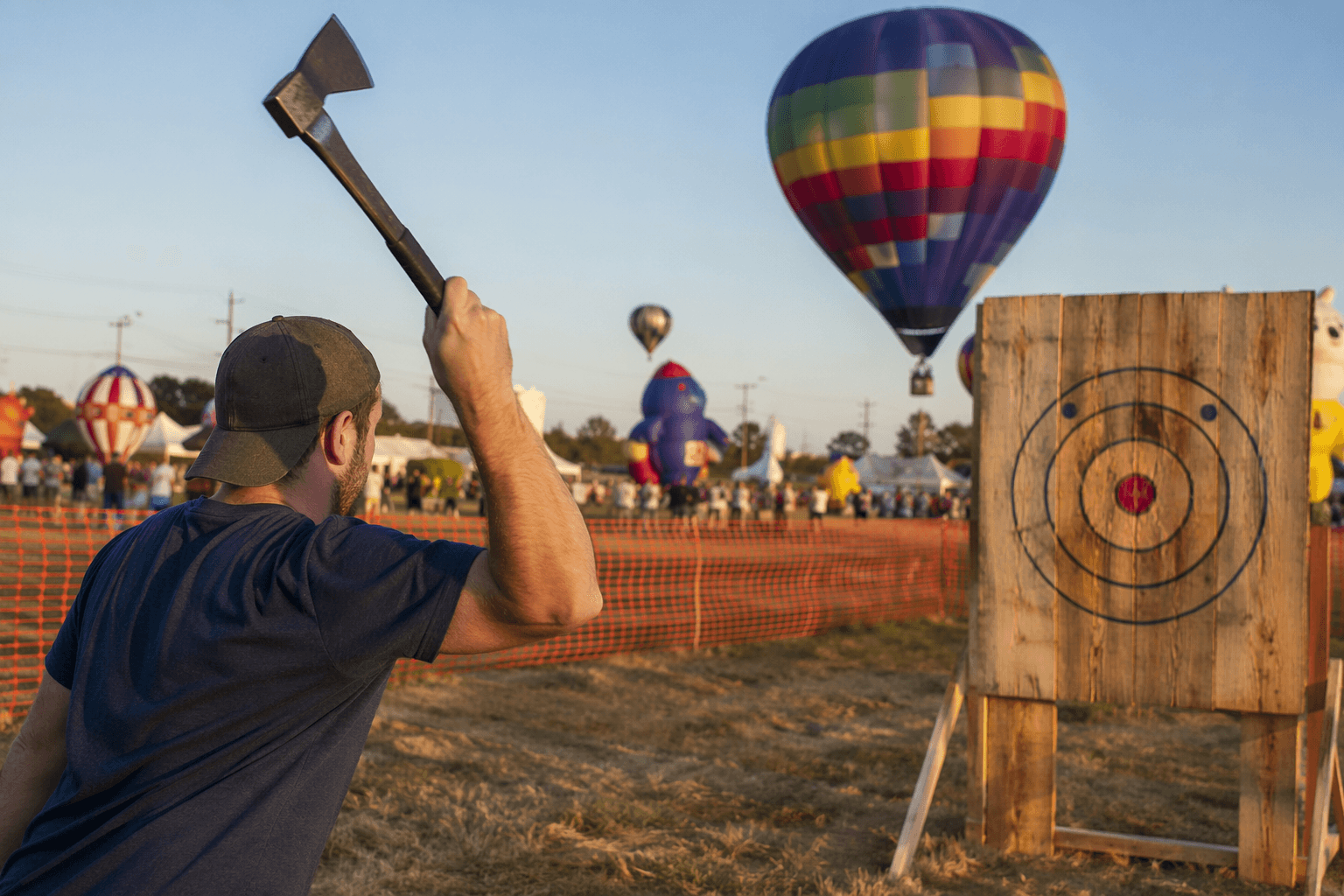
Axe throwing competition draws crowds at Great American State Fair
The Great American State Fair’s axe-throwing competition opened to thin early crowds, even as the 110-foot Ferris wheel became the longest wait on the grounds.

The axe-throwing competition at the Great American State Fair played before light early crowds on the National Mall, a sharp reminder that even a heavily promoted spectacle can open slowly when the trip feels cumbersome. The fair opened June 25, and by June 29 the axe-throwing event had become one more hands-on attraction inside a broader Americana showcase.
The first days brought minimal lines to enter the fair, browse exhibits and buy food, with the longest wait tied to the 110-foot Ferris wheel. That imbalance matters for promoters because it shows what visitors reward on arrival: ease, speed and a reason to linger. When entry is quick but the rest of the site still feels thin, the headline attraction has to do more work than it should.

Axe throwing sat alongside state booths, food vendors, a wood-sawing contest and an acrobat performance, giving the fair a mix of stop-and-watch entertainment and participatory displays. That mix fits the sport’s growing role in public programming. Axe throwing is no longer confined to league nights or dedicated venues; here it functioned as a crowd-facing demonstration sport inside a national festival built around visual appeal and short attention spans.
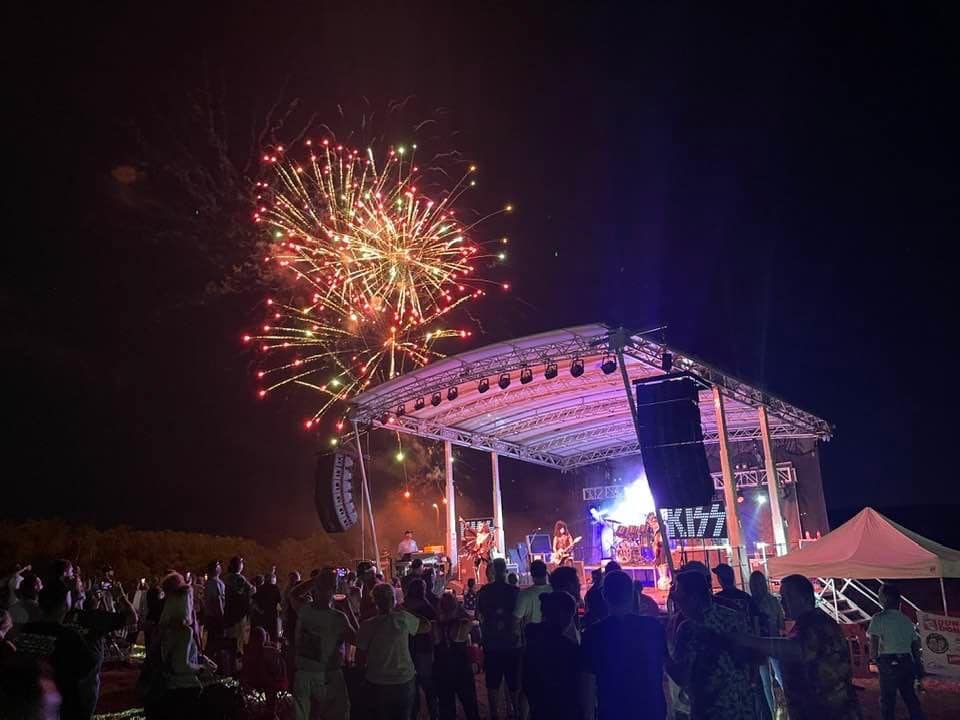
Organizers were also managing security measures, registration requirements and limited access, all of which likely shaped the early turnout. The fair is tied to America 250 planning, and a larger fireworks celebration was expected later in the week. That schedule may ultimately help draw bigger numbers, but the opening days suggested that a marquee setting alone does not guarantee foot traffic when the route in is slow and the payoff is not immediate.
For axe-throwing operators, the fair’s early turnout offered a clean lesson in event design. Price points have to match the perceived value of a trip, timing has to fit when families are willing to move, weather planning has to account for outdoor fatigue, and on-site attractions have to keep people from treating the event as a quick photo stop. The sport drew attention on one of the country’s biggest stages, but the quieter opening showed how fast live-event audiences calculate whether the outing is worth the effort.
This article was produced by Prism’s automated news system from verified source data, official records, and press releases, then run through automated quality and moderation checks before publishing. The system is built and supervised by the people who set the standards it runs under. Read our full AI policy.
Did this article answer your question?