Axe throwing draws crowds at Scotland’s Royal Highland Show
Axe throwing landed in front of more than 210,000 Royal Highland Show visitors, giving the sport a rare chance to look less like a novelty and more like a crowd puller.

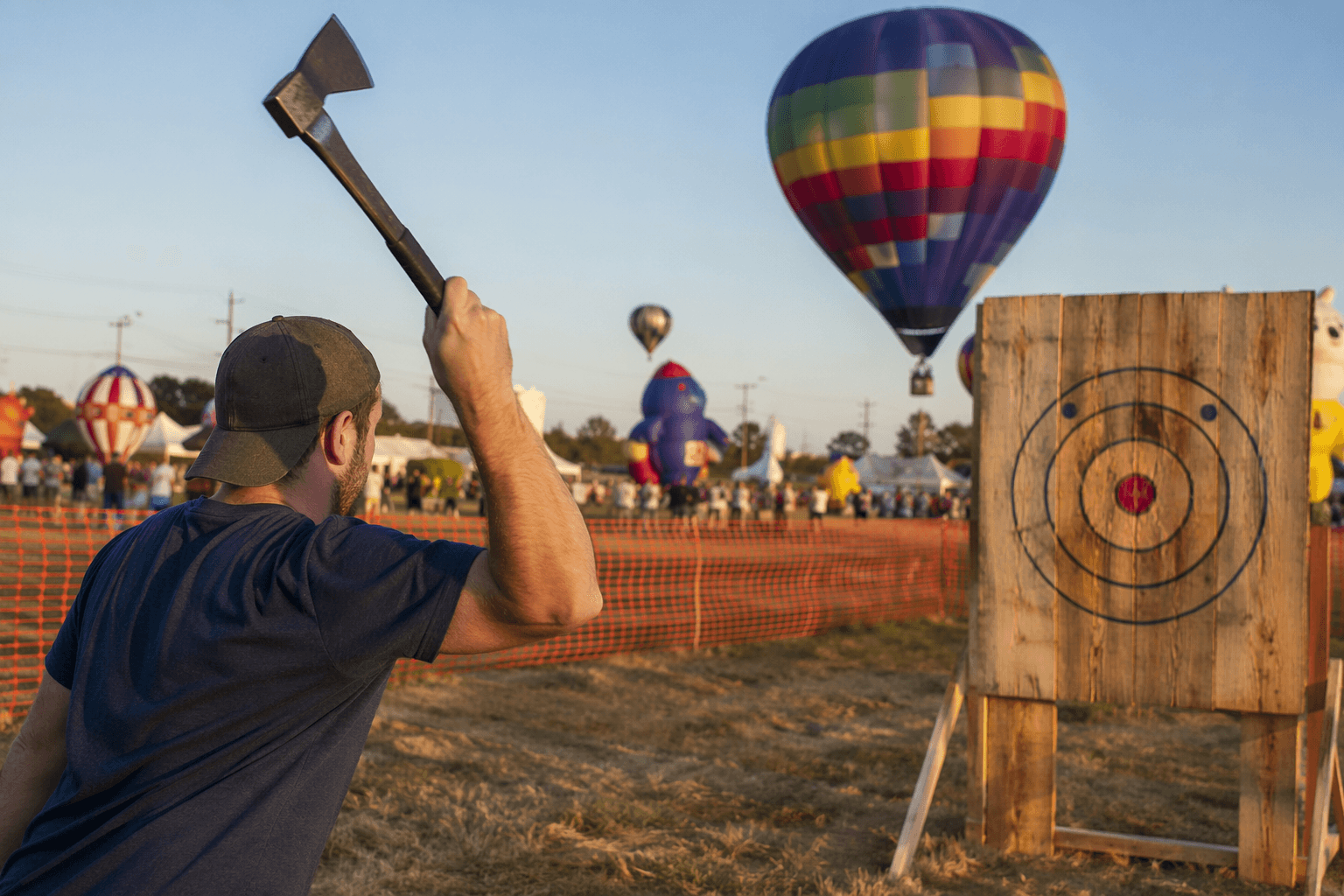
I found the axe throwing arena after weaving past tractors, livestock and the rest of the Royal Highland Show sprawl at Ingliston, and the shift was immediate: wooden benches, the smell of fresh-cut timber and a strip of competitors who looked equal parts seasoned and brand new. The setting gave the sport a bigger stage than a fairground side act, and it made the case for why axe throwing has started to travel so well beyond its usual league-and-bar surroundings.
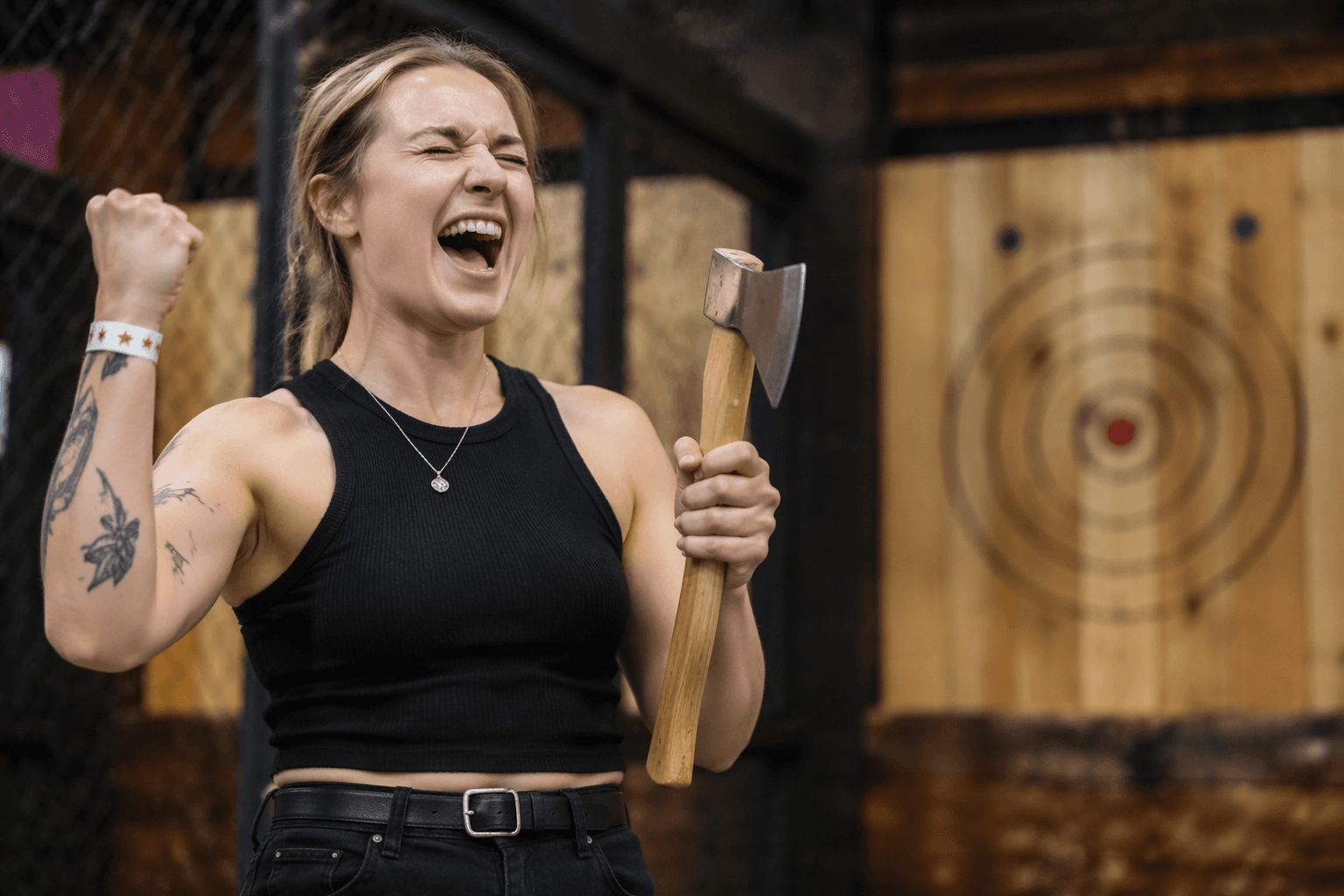
What stood out at the Forestry Arena was not a formal scoreboard or a podium, but the range of the field and the way people stopped to watch. The competitors carried themselves like athletes, not entertainers, and the crowd response suggested the same curiosity that has helped darts and other target sports cross into the mainstream. At a show built around food, farming and rural life, axe throwing fitted neatly as both spectacle and skill test.
That matters because the Royal Highland Show is not a niche platform. The 2026 event ran June 18 to 21 at the Royal Highland Centre in Ingliston, Newbridge, and the show now draws more than 200,000 visitors in a normal year. Attendance topped 212,000 in 2025 and passed 210,000 in 2026, which gives any sport inside it an audience few Scottish events can match. The Forestry Arena is part of that appeal, with axe throwing sitting alongside pole climbing, chainsaw carving, mountain biking displays and forestry demonstrations.
The show’s history gives the exposure extra weight. The first Highland Show was held in 1822 at Queensberry House in Edinburgh’s Canongate, and the event moved to a permanent home at Ingliston in 1960. It marked its 200th anniversary in 2022, so the Forestry Arena is not just borrowing prestige from a big agricultural festival, it is operating inside one of Scotland’s oldest and most recognizable public showcases.
There is also a longer sporting backstory behind the axes themselves. Graeme Hodgson has overseen the Forestry Arena since around 1994 or 1995, and he and fellow forestry enthusiast Michael Grieve first came across axe throwing during an exchange visit to Sweden in the 1990s before bringing it to Scottish audiences. That history explains why the event feels established rather than improvised.
For axe throwing, the Royal Highland Show offers something more valuable than a one-day crowd. It offers legitimacy, the chance to bring in first-timers, and a visible path from curiosity in the showground to club involvement and regular competition. In a sport still fighting for recognition, that kind of audience is the kind that can change the trajectory.
This article was produced by Prism’s automated news system from verified source data, official records, and press releases, then run through automated quality and moderation checks before publishing. The system is built and supervised by the people who set the standards it runs under. Read our full AI policy.
Did this article answer your question?