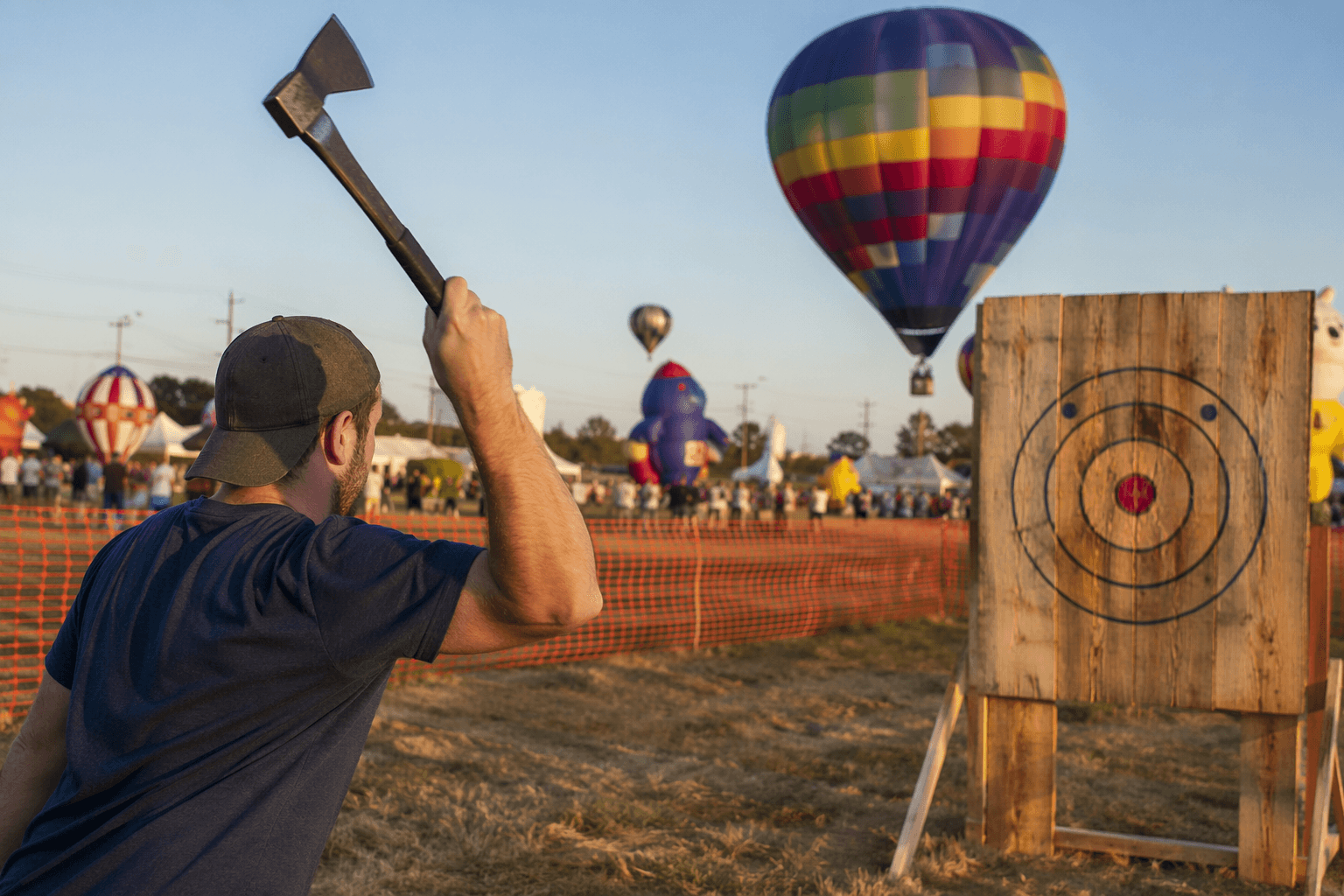
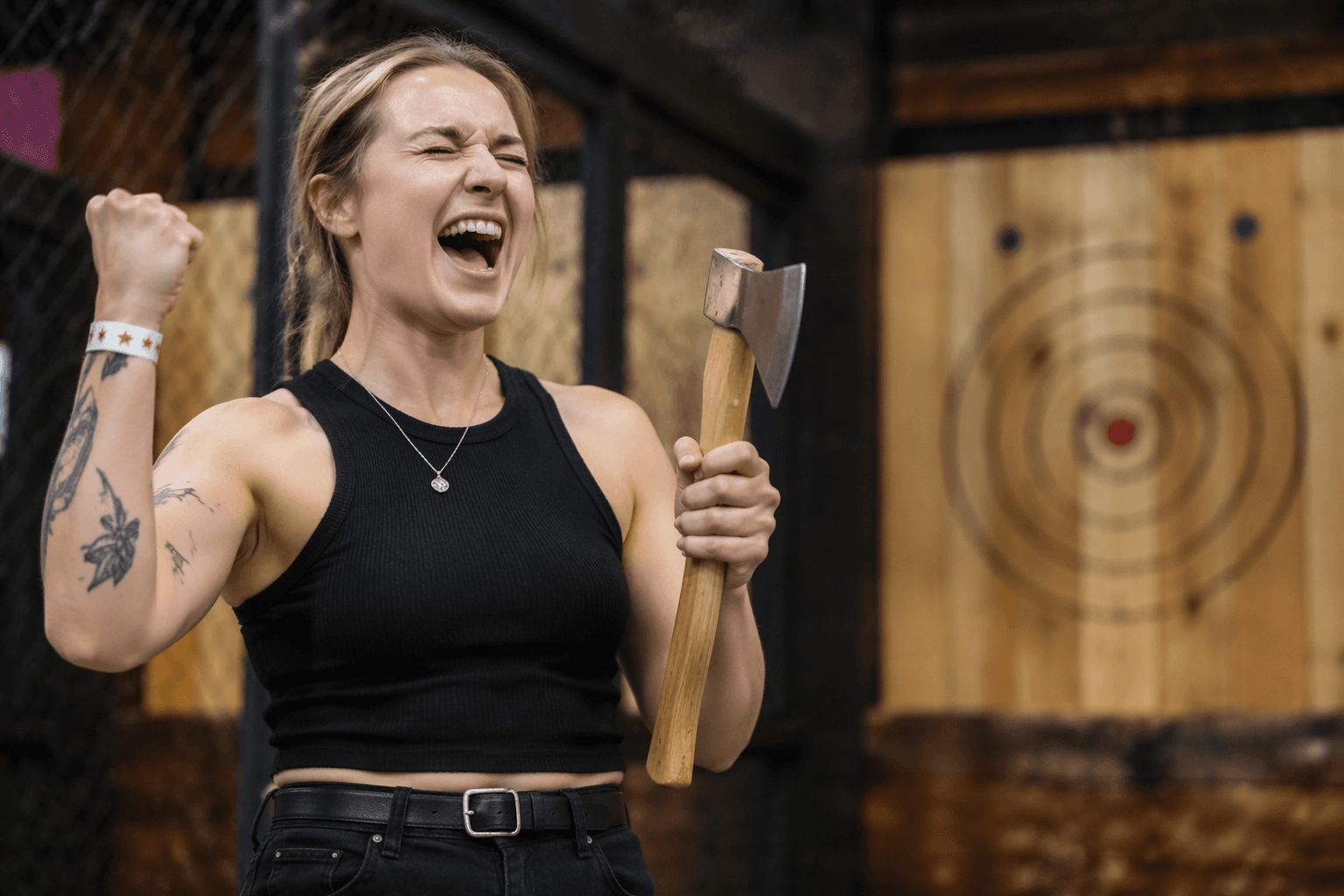
Axe throwing highlighted at National Veterans Wheelchair Games in Minneapolis
Axe throwing took center stage in Minneapolis as 537 Veterans competed across 23 adaptive events, underscoring how the sport fits wheelchair athletics.

Axe throwing stood out as one of the headline attractions at the 44th National Veterans Wheelchair Games, where 537 Veteran athletes gathered in Minneapolis for six days of adaptive competition. The Games ran July 17 to July 22, 2025, with opening ceremonies on July 17, and the schedule stretched from bass fishing on Lake Minnetonka to basketball, archery, boccia, swimming and the highlight axe throwing event.
The U.S. Department of Veterans Affairs and Paralyzed Veterans of America co-presented the Games, which VA described as the world’s largest annual wheelchair sports and rehabilitation event solely for Veterans with disabilities. The field in Minneapolis featured 23 adaptive sports events and 11 Paralympic competitions, giving athletes a wide range of stages to compete, test their recovery and build toward new personal bests.
For axe throwing, the format fit the broader mission of the Games: competitive design that makes participation possible for athletes who rely on wheelchairs. VA framed the event as especially well suited to Minneapolis, a host site that last welcomed the Games in 2005, when 498 Veterans competed. This year’s return required nearly 3,000 volunteers, a scale that reflected how much coordination it takes to run an event built around access as much as athletic performance.
The Wheelchair Games have grown since their launch in 1981, and the 2025 edition reinforced why they remain central to veteran rehabilitation. VA said the competition promotes whole health, recovery, confidence and lifelong connection, and that combination showed up in the mix of first-time and returning athletes across the six-day schedule. The first event, a bass fishing tournament on Lake Minnetonka, set the tone for a program designed to move easily from one adaptive discipline to the next.
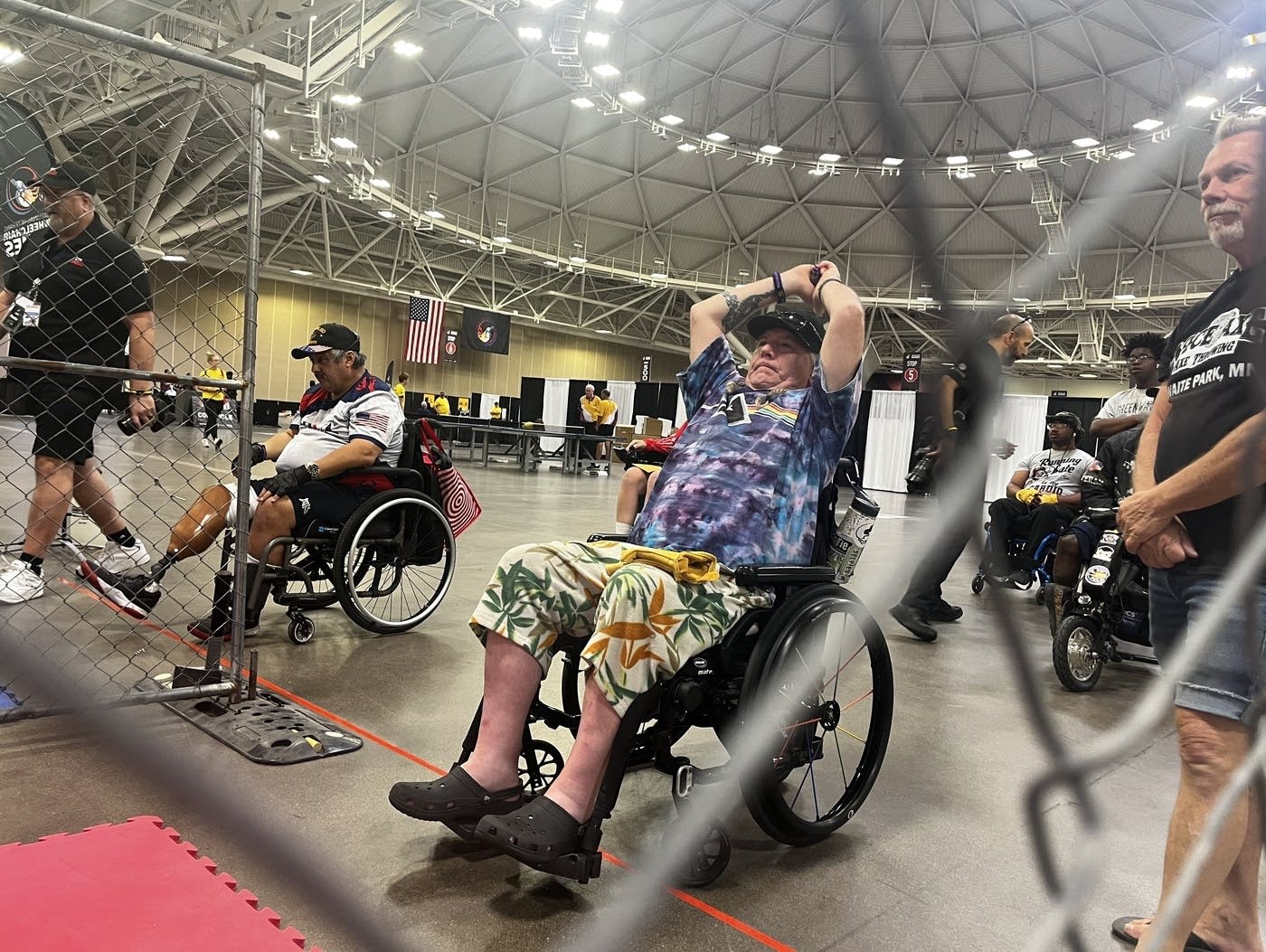
Axe throwing’s presence also pointed to a larger opportunity for inclusive growth in the sport itself. In Minneapolis, it was not treated as a novelty but as a serious competitive event that could sit alongside powerlifting, cycling, disc golf and rugby in a mainstream adaptive sports program. That is the model the Games have built for more than four decades: open the field, structure the competition, and let the athletes show how wide the sport can become.
This article was produced by Prism’s automated news system from verified source data, official records, and press releases, then run through automated quality and moderation checks before publishing. The system is built and supervised by the people who set the standards it runs under. Read our full AI policy.
Did this article answer your question?