Holland Celtic Festival blends axe throwing, heritage and Highland Games
Axe throwing at Holland’s Celtic Festival sits inside a full heritage weekend, where clan history, Highland Games and modern sport share the same field.

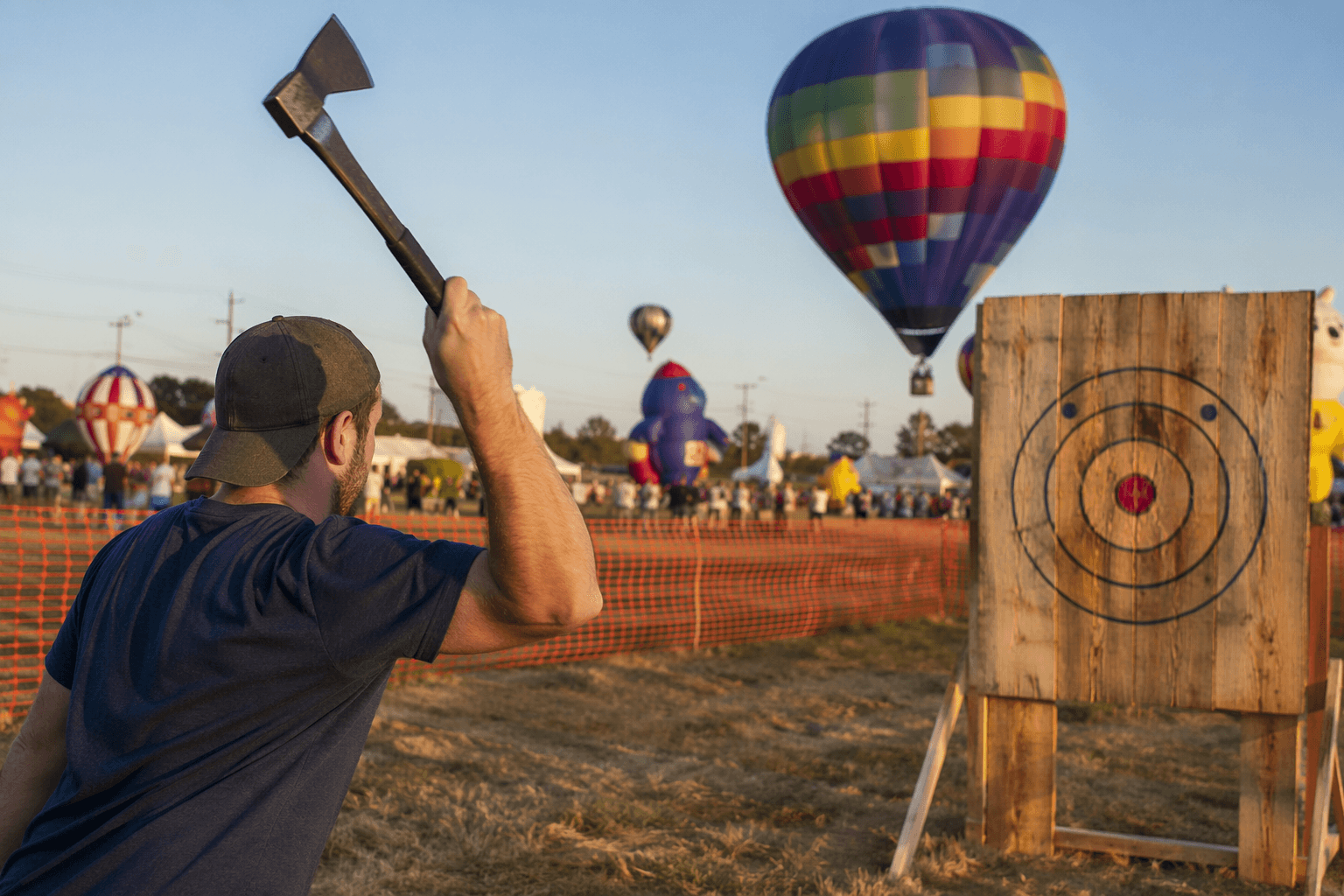
Holland’s Celtic Festival uses axe throwing as more than a novelty lane. At the Ottawa County Fairgrounds, the fifth annual Holland Waterfront Celtic Festival & Highland Games folds the sport into clan history lessons, sheep herding demonstrations and Highland Games competition, so the throw becomes part of the festival’s heritage story rather than a separate sideshow. The result is a weekend built around Celtic identity, athletic display and crowd energy in equal measure.
A heritage festival built around movement and memory
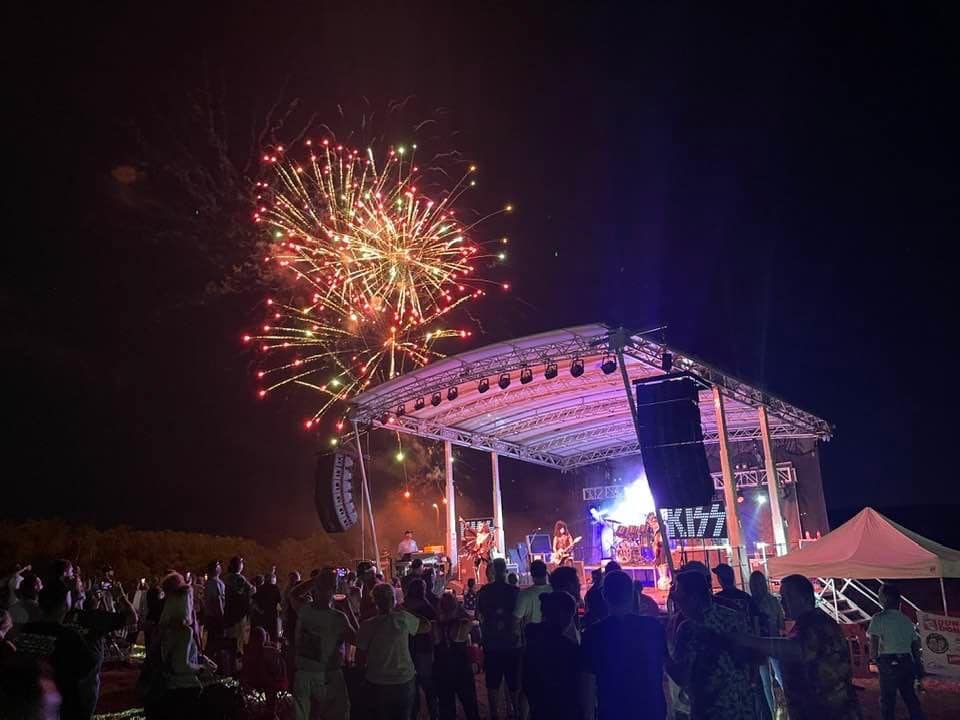
The festival’s structure makes that point quickly. Friday, June 26, 2026, is a 21-and-older ticketed night, while Saturday, June 27, opens to all ages, giving the event two different rhythms across the same weekend. The Holland Celtic Society, a 501(c)(3) nonprofit, runs the festival as a rain-or-shine event with tents and no weather refunds, a detail that underlines how seriously the organizers treat continuity. With 18 bands spread across two stages, plus dance, clans and food and vendor areas, axe throwing sits inside a much larger program instead of trying to carry the weekend on its own.
That setting matters because the festival is not presenting heritage as museum glass. Clan history lessons and sheep herding demonstrations give the event an educational frame, while music and whiskey offerings pull the crowd into a more social atmosphere. Axe throwing lands between those worlds, giving attendees something physical to watch and, in some cases, participate in, while still keeping the cultural thread visible.
Where axe throwing fits inside Highland Games culture
The clearest reason axe throwing works here is that it resembles the rest of the Highland Games more than it resembles a generic fair attraction. The festival’s Highland Games program is scheduled for Saturday, June 27, beginning at 9:30 a.m., and the website says it will feature all nine ancient athletic events for men and women. Athlete registration includes a T-shirt, lunch and awards for winners, which reinforces that this is a structured competition, not an improvised demo.
Scotland.org describes Highland Games as a tradition defined by the heavy events, including the shot put, tug o’ war, caber toss and hammer throw. That framing puts throwing and lifting at the center of the culture, which is why axe throwing can be presented as a natural fit instead of an imported gimmick. In that context, the axe lane reads as a contemporary cousin to the older strength events, sharing the same emphasis on skill, control and public spectacle.
The festival also invests in preparation, not just performance. Organizers hold practice sessions in the months before the games so athletes can learn and get ready, which gives the competition an instructional backbone. That detail is important because it shows how the event uses action as a teaching tool, letting new participants approach the games with some context rather than stepping in cold.

A modern sport with rules, not just novelty
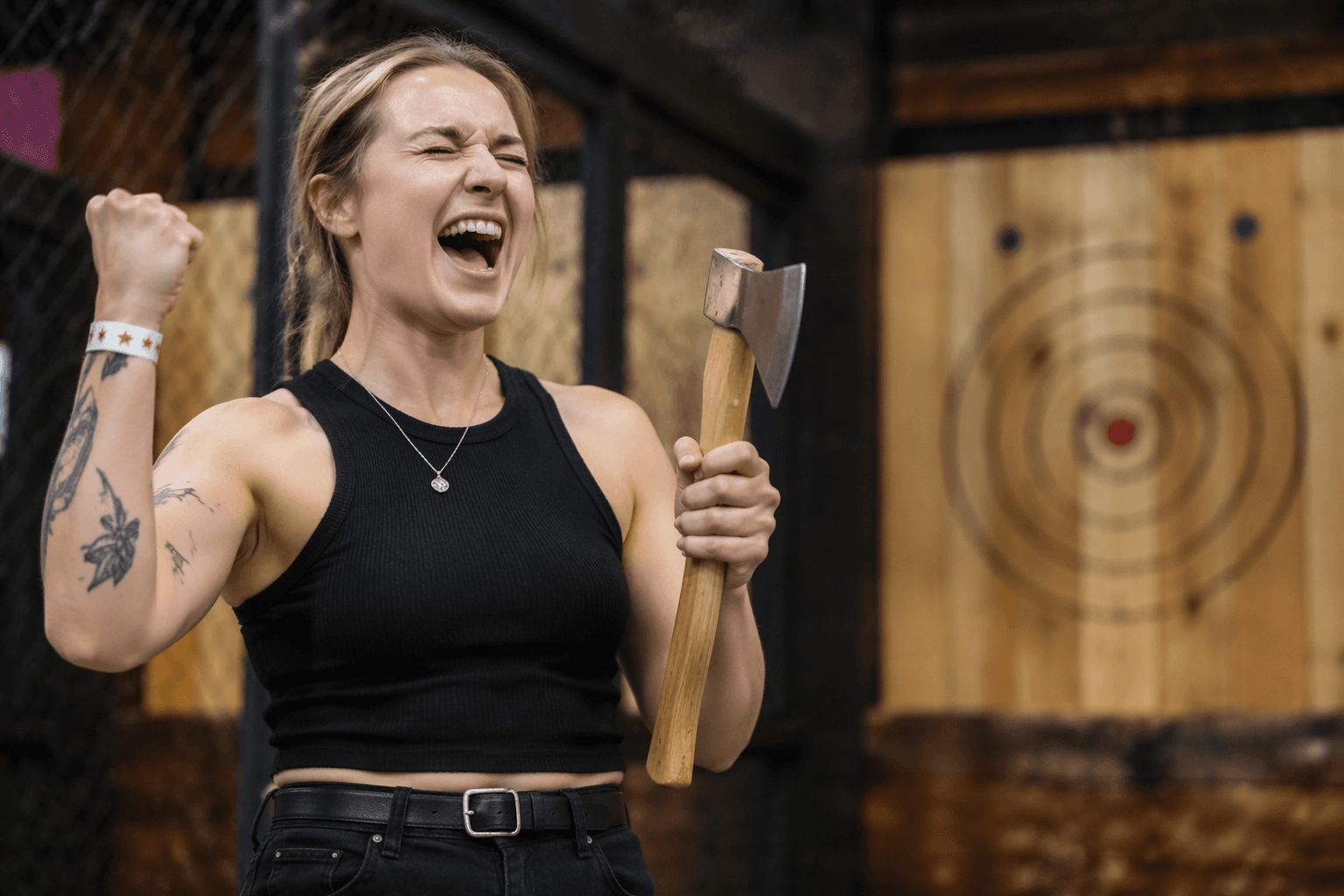
The modern version of axe throwing carries its own framework, and the World Axe Throwing League rules make that clear. Matches are scored over 10 throws, the highest total wins, and ties go to a sudden-death Killshot round. The league also sets equipment standards, including a maximum axe weight of 3 pounds and a maximum length of 19 inches.
Those rules matter at a festival like Holland’s because they help explain why axe throwing can sit beside heritage programming without feeling out of place. The sport is theatrical, but it is also formalized enough to reward precision and consistency. In a Highland Games environment, that combination lets axe throwing function as both an accessible entry point for spectators and a legitimate competitive discipline for athletes.
Why the festival story lands beyond one weekend
The festival’s fifth-year milestone shows that the event has moved past novelty status and into the local calendar. The fact that next year’s festival is already scheduled for June 18 and 19 signals a recurring format that organizers expect to endure, which is a big part of why axe throwing has room to matter here. A one-off festival can lean on spectacle alone; a returning festival can build traditions, repeat rituals and a recognizable identity.
That is where the heritage angle becomes concrete. Axe throwing is not being sold here as a detached attraction or a quick hit of entertainment, even if it helps draw a crowd alongside music and whiskey. It is being used as a hands-on bridge between Celtic identity, Highland Games culture and modern event programming, with the clearest emphasis on making tradition active, visible and easy to step into.
In Holland, the axe lane works because it carries all three messages at once. It is authentic enough to feel rooted in the games, interactive enough to teach through participation and entertaining enough to help the festival keep growing.
This article was produced by Prism’s automated news system from verified source data, official records, and press releases, then run through automated quality and moderation checks before publishing. The system is built and supervised by the people who set the standards it runs under. Read our full AI policy.
Did this article answer your question?