How WATL turned axe throwing into a standardized sport
WATL gave axe throwing a shared lane, score, and season, turning a bar trick into a sport that travels across 20 countries.

WATL did not just make axe throwing feel more official. It made the sport countable, portable, and comparable from one city to the next by fixing the lane, the score, the season, and the judge. Founded in 2017, with more than 300 affiliated venues across 20 countries, the league turned a loud, loose activity into a rules-based competition that can survive travel without losing its identity.
The rulebook changed the product
WATL’s own origin story is blunt about the problem it set out to solve: many indoor urban axe-throwing facilities, especially in Canada, were already using similar practices, but they were operating in silos. The answer was not another venue brand. It was a forum, a professional association, and a rule system built to standardize league play, points tracking, safety protocols, and throwing techniques. That is why WATL describes its mission as promoting axe throwing as a professional sport by bringing clubs together, not by pushing a single house style.
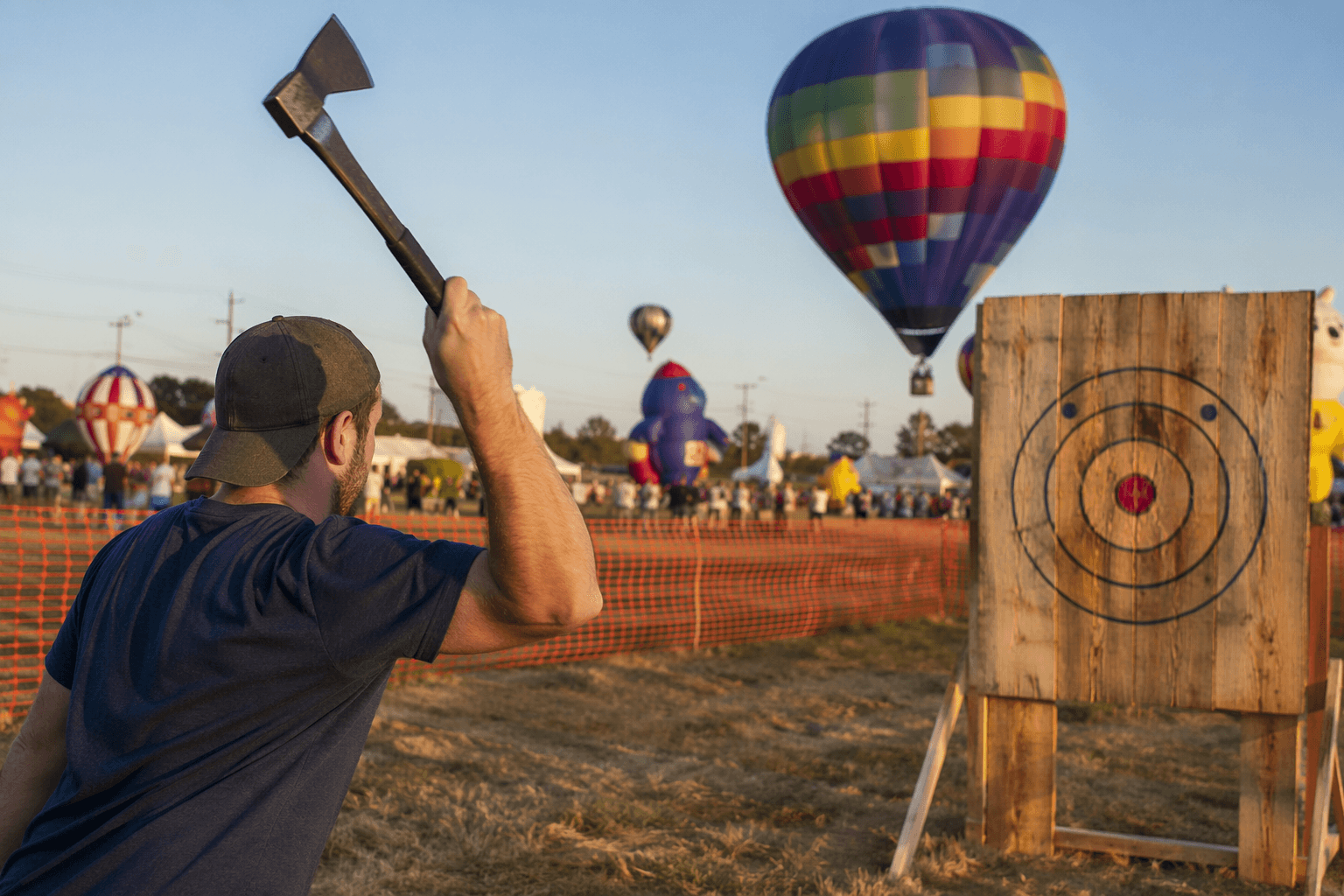
The physical standards matter as much as the mission statement. WATL’s venue specifications call for lanes with 12-foot minimum width, 15-foot minimum length, 12-foot minimum ceiling height, 5 feet of clear space behind throwers, and only two throwers plus a judge inside the lane. Each lane contains two targets, and the fault line is 3 inches wide, measured from the front of the target to the back of the line. That is the difference between a pub game and a repeatable sport: the same dimensions, the same spacing, and the same safety setup wherever the lane is built.
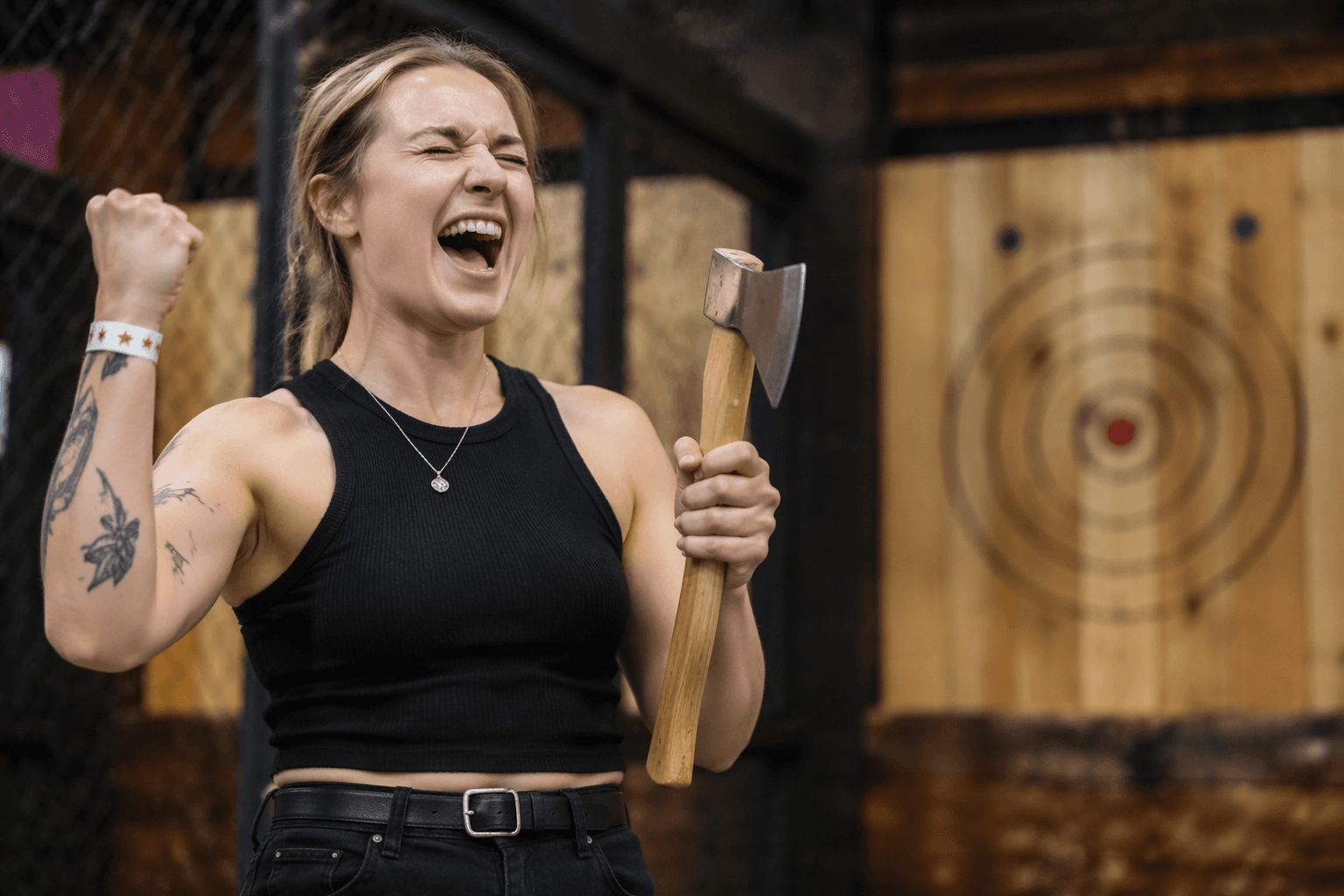
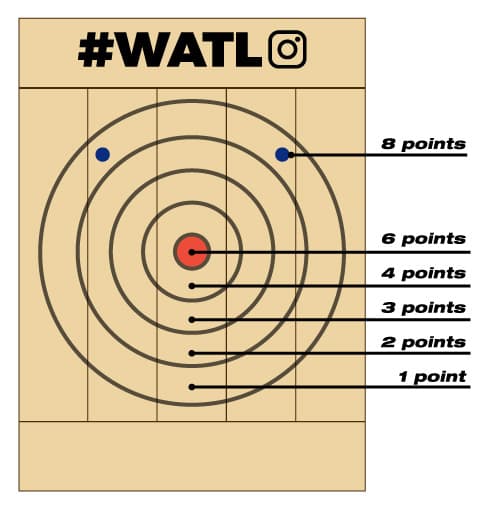
The rulebook is not frozen in amber, either. WATL’s current rules cover hatchet, big axe, and hatchet duals, and the 2026 update clarified scoring zones, tie-breaker language, and killshot handling. The game itself is simple enough for a beginner to understand fast: players or teams throw at their own target in a lane, points are scored by where the axe sticks, and the higher total after 10 throws wins. If the match is tied, a sudden-death killshot round decides it. That clarity is the whole point. Once the target, the distance, and the scoring zones mean the same thing everywhere, the sport stops being local theater and starts being competition.

Why the score can travel
WATL’s standardized format is what makes league nights recognizable from one venue to another. The league runs four eight-week seasons each year, with weeks 1 through 7 used for gameplay and week 8 reserved for playoffs. Competitors get four games per week, and sanctioned leagues feed into the global leaderboard, which means your results do not just live on the wall at your home venue. They matter across the network. WATL also says competitors can enter multiple sanctioned leagues in a season, but only their top-performing league counts for leaderboard purposes, and the same Player ID follows them everywhere. That is the infrastructure current throwers take for granted when they talk about rankings, standings, and circuit points.
That league structure also raises the floor for what counts as real competition. WATL requires minimum participation for sanctioned play, including 12 games for league minimums, and it says official league requirements must be met or the results stay recreational. Certified judges are part of that system too: WATL says certified judges are up to date on the latest rules, can run sanctioned leagues, assist in tournaments, and oversee qualifying throws for major events. The sport did not get serious because people started taking it seriously. It got serious because the system forced consistency into every part of the night.
The people who wrote the sport into shape
Benn MacDonald is the clearest example of how governance built legitimacy. WATL named him its inaugural Hall of Fame inductee in 2026 and its longest-serving council member, and the league says he helped shape the rulebook from the early definitions of scoring zones and killshot mechanics to the division structure that separates recreational, amateur, and professional play. WATL also credits him with training judges, coaching venue owners through their first sanctioned leagues, and answering the rules questions that keep a growing sport from sliding into chaos. His line says it all: “The rules exist to protect the integrity of the sport. My job was to make sure every competitor got a fair throw.”
That governance model is not top-down in the corporate sense. WATL says its council members are volunteers from the axe-throwing community, people with skin in the game who oversee rule changes, event organization, and outreach. That matters because a standards body only works if the people enforcing it understand the sport from the inside. Axe throwing needed judges, but it also needed builders, and WATL’s council became the mechanism that translated community knowledge into policy.
The sport had roots before WATL, but WATL gave it a standard
BATL’s history shows why the standardization arrived when it did. The company says it pioneered urban axe throwing in 2006, starting with a group of friends at a cottage outside Toronto, then a backyard target, then a points system, then weekly leagues that grew from eight friends to 16, then 32, then full nights with 60-plus people. Axe throwing was already spreading as a social activity before WATL formalized it. WATL did not invent the fire; it built the stove, the thermometer, and the recipe.
The broader competitive scene was already forming, too. In 2018, The Ringer described a National Axe Throwing Federation regional tournament that drew throwers from Ottawa to Baltimore, with the winner of the Philadelphia competition advancing to the Wilson Cup international championship in Toronto. That is the key transition point: axe throwing had grown beyond a one-off attraction and into a tournament sport, but it still needed a common governing frame to make cross-venue competition feel fair. WATL stepped into that gap with a rulebook that made different cities speak the same scoring language.
What current throwers inherit
WATL’s standardization now shows up in the places players barely think about anymore. International Axe Throwing Day falls on June 13, a date WATL uses to unify the sport and spotlight the community. Community Venues can be built in garages, shops, backyards, barns, Legion halls, VFW spaces, or local rec centers, and they still have to follow the same lane, safety, and judge requirements that keep the sport recognizable when it leaves a polished commercial venue. That is how a sport grows without breaking into a dozen incompatible versions of itself.
The real accomplishment is not that WATL made axe throwing look official. It made a throw in one lane mean the same thing in another lane, in another city, and in another country. That shared frame is what turned a novelty into a sport with rankings, sanctioned seasons, and a global competitive path.
This article was produced by Prism’s automated news system from verified source data, official records, and press releases, then run through automated quality and moderation checks before publishing. The system is built and supervised by the people who set the standards it runs under. Read our full AI policy.
Did this article answer your question?