International Axe Throwing Day celebrates the sport and WATL growth
International Axe Throwing Day now doubles as a gateway into a standardized sport, with WATL turning casual throwing into leagues, rules, and championship paths.
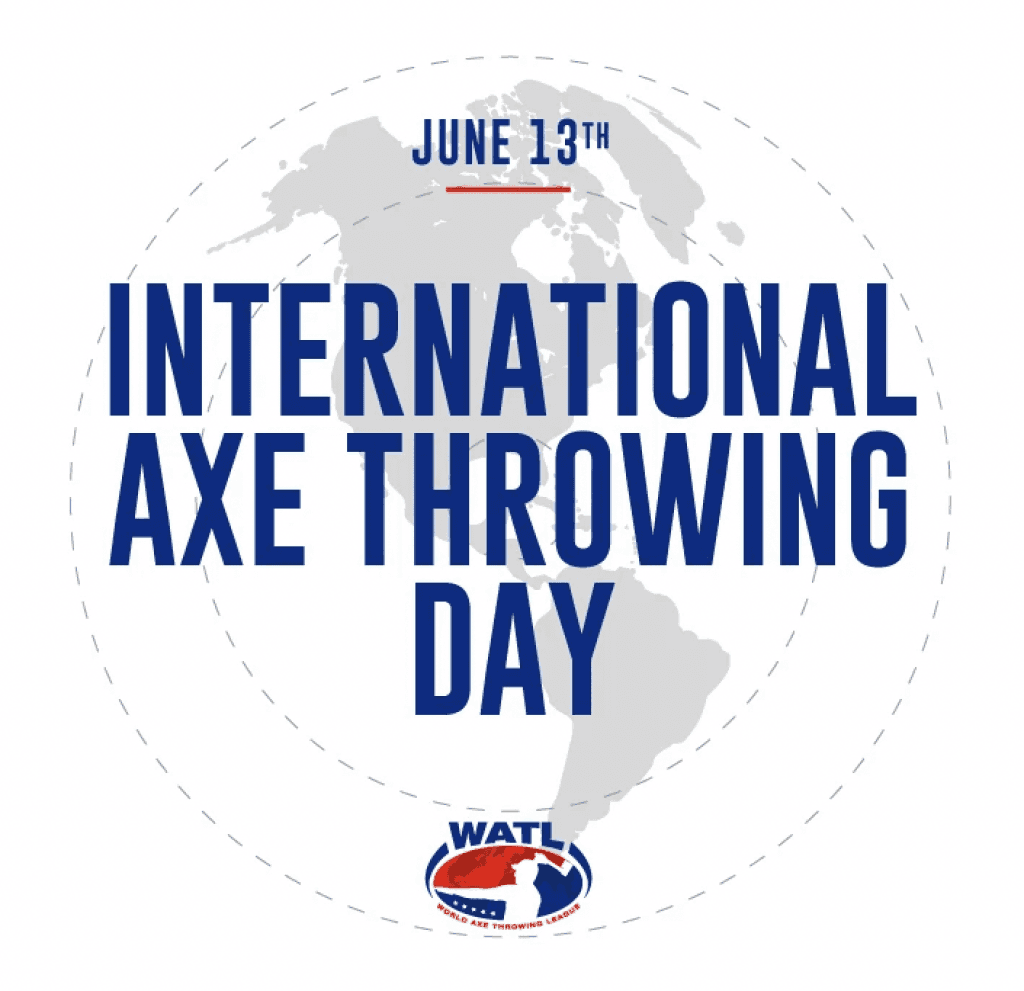
International Axe Throwing Day has become more than a novelty marker on the calendar. The date, June 13, now sits at the center of a sport that WATL has spent years standardizing, packaging, and widening for newcomers. What used to look like a one-off social outing now has rules, seasons, qualifying ladders, and indoor venues that make the first throw feel less like a stunt and more like the start of a real athletic pathway.
International Axe Throwing Day as an entry point
The holiday works because it lowers the barrier to entry without lowering the sport’s credibility. National Today frames the day as a chance for both experienced throwers and beginners to pick up an axe, while WATL uses it to raise awareness and unify axe throwing as a bonafide sport. That combination matters: the same day can serve as a beginner’s first session and a veteran’s reminder that the sport now has a calendar, a rulebook, and a governing structure.
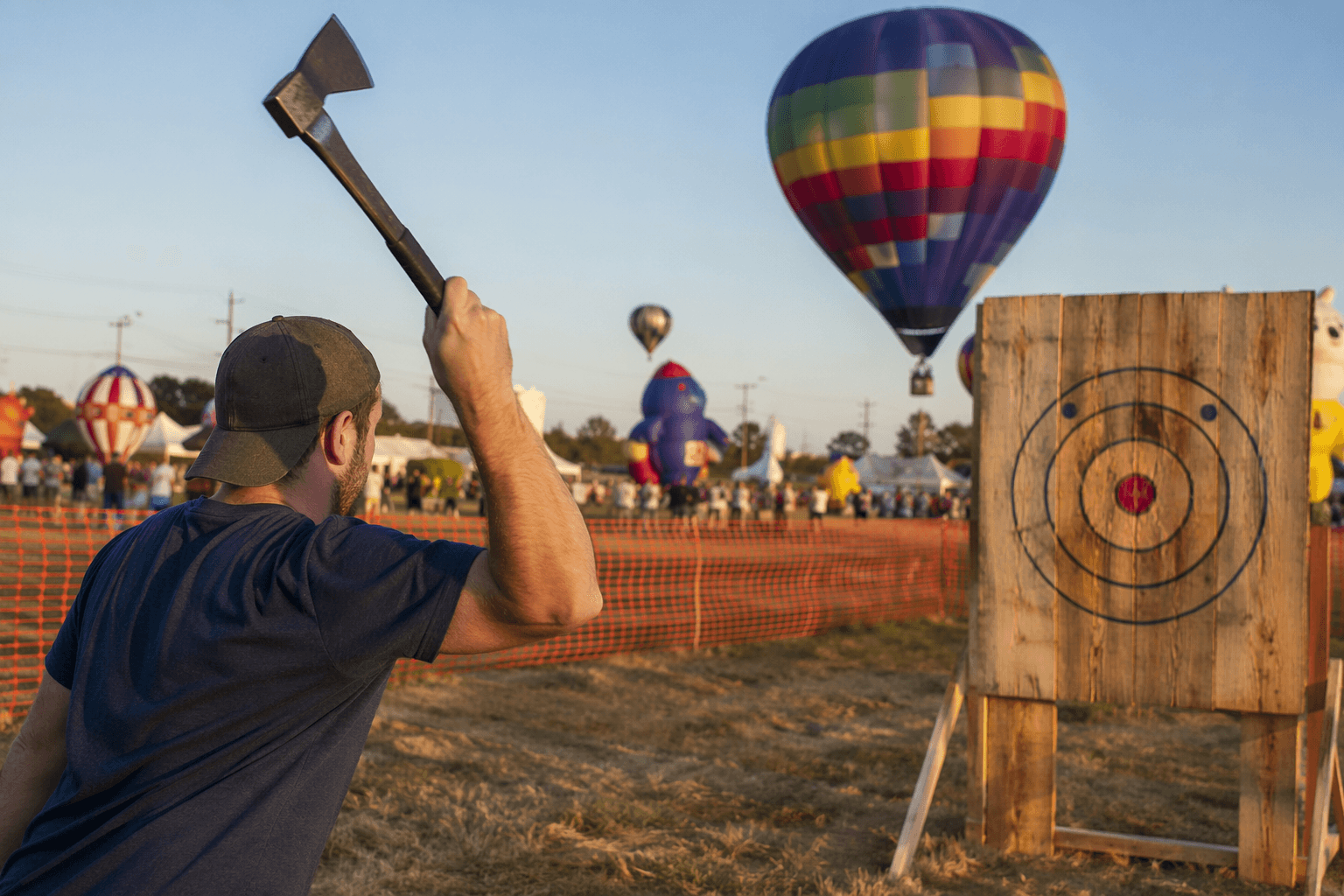
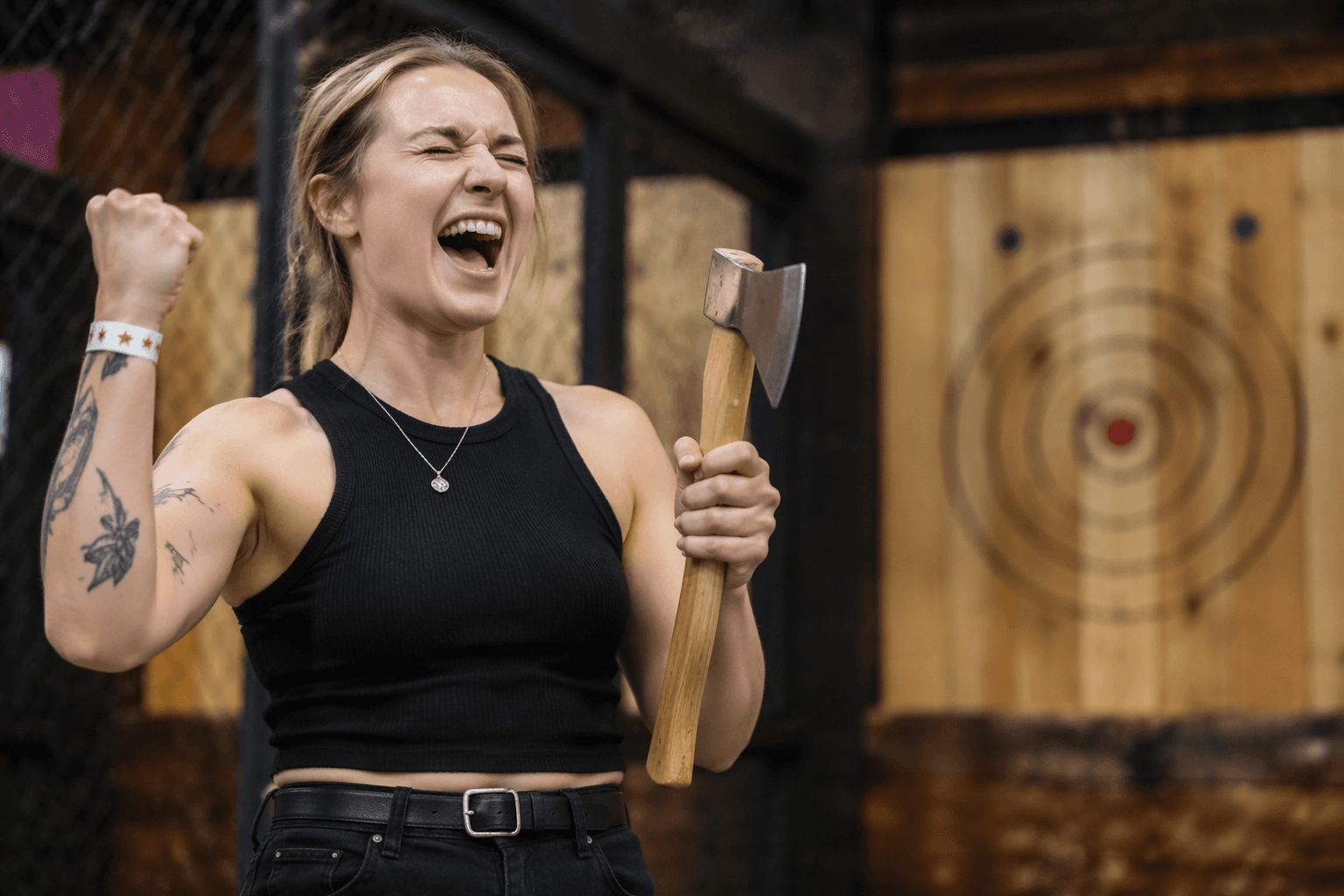
The social side is built into the pitch. Axe throwing is presented as something to do with friends, family, and local venues, which fits the way the sport has spread through entertainment centers and league nights. On International Axe Throwing Day, venues can lean into promotions, discounts, or free introductory sessions, turning a holiday into an on-ramp rather than a spectacle.
The rules that made the sport legible
WATL’s biggest contribution is not just visibility but standardization. The league was founded in 2017 after Mario Zelaya saw axe-throwing venues using similar business practices and rules but lacking a shared communication network. That gap is what WATL filled, and it now says it is the world’s premier governing body for the sport, with 300+ affiliated venues across 20 countries.
The rules give the sport a clear shape. In WATL-sanctioned play, a standard game is 10 throws, and the highest score wins. That simplicity is a large part of why newcomers can understand the competition quickly, while still leaving room for precision, pressure, and tactical adjustments as a match unfolds. The same framework also covers hatchet, big axe, and hatchet duals competition, so the pathway does not depend on one format alone.
Where newcomers actually start
Accessibility in axe throwing is not only about a friendly holiday message. It is built into the physical setup of the sport itself, especially through indoor venues and the Community Venue model. WATL says community venues can operate in garages, shops, backyards, barns, or in partnership with places like the Legion, VFW, or a local rec center, which makes organized play possible in places that do not have a commercial axe-throwing business nearby.
That matters for reach as much as for atmosphere. A garage league in one town, a rec center in another, and a commercial venue in a downtown district can all sit inside the same competitive ecosystem. WATL says Community Venues are designed to bridge the gap in underserved regions, which gives the sport a practical answer to a problem many niche activities face: how to get from curiosity to consistent participation without requiring a major city or a big upfront infrastructure build.

Venues also serve as the sport’s public face. Bad Axe Throwing, Stumpy’s Hatchet House, and Urban Axe Throwing are among the names tied to holiday promotions, introductory sessions, and local community events. That mix of commercial operators and community-based spaces helps axe throwing feel less like a pop-up novelty and more like a sport with multiple doors into the same room.
How the competition ladder works
The competitive structure is what turns casual curiosity into commitment. WATL sanctions four official eight-week seasons per year, giving participants a recurring schedule instead of a one-time tournament chase. That season model is crucial because it creates repetition, progress, and a sense of belonging, the same ingredients that keep bowls leagues, dart circuits, and other social sports alive.
The path upward is also clearly defined. Most bids to the World Axe Throwing Championship are awarded through league performance, tournament circuit points, and qualifying throws, which means local consistency matters as much as one flashy night at the venue. In practice, that setup rewards regular participation, not just occasional talent, and it ties the beginner’s lane directly to the elite level without requiring a separate sport.
The championship itself underscores how fully the sport has professionalized. WATL announced that the 2025 World Axe & Knife Throwing Championships would take place April 3-6, 2025 in Appleton, Wisconsin, with a $60,000+ prize pool. WATL later said the 9th World Axe Throwing Championship was held in Tulsa, Oklahoma in April 2026, a sign that the title event has settled into an annual rhythm rather than a one-off showcase.
Why the sport keeps spreading
Axe throwing’s cultural appeal comes from contrast. It feels rugged, but the structure around it is orderly; it looks spontaneous, but the sport is increasingly regulated and repeatable. That tension helps explain why the activity moved from a novelty outing to something people can schedule, practice, and pursue seriously inside a standardized competitive system.
WATL’s growth across 20 countries shows that the model travels well. A sport built around short matches, straightforward scoring, and flexible venue options can adapt to different local scenes without losing its identity. That is the larger story behind International Axe Throwing Day: not just a holiday, but a yearly reminder that the sport now has enough structure to welcome new throwers, enough scale to support leagues, and enough championship depth to keep them coming back.
This article was produced by Prism’s automated news system from verified source data, official records, and press releases, then run through automated quality and moderation checks before publishing. The system is built and supervised by the people who set the standards it runs under. Read our full AI policy.
Did this article answer your question?