WATL updates 2026 axe throwing rules, changes killshot scoring
WATL’s 2026 update makes hatchet killshots worth 7, tightens sudden-death measurement, and gives judges clearer fault standards in a 10-throw game.
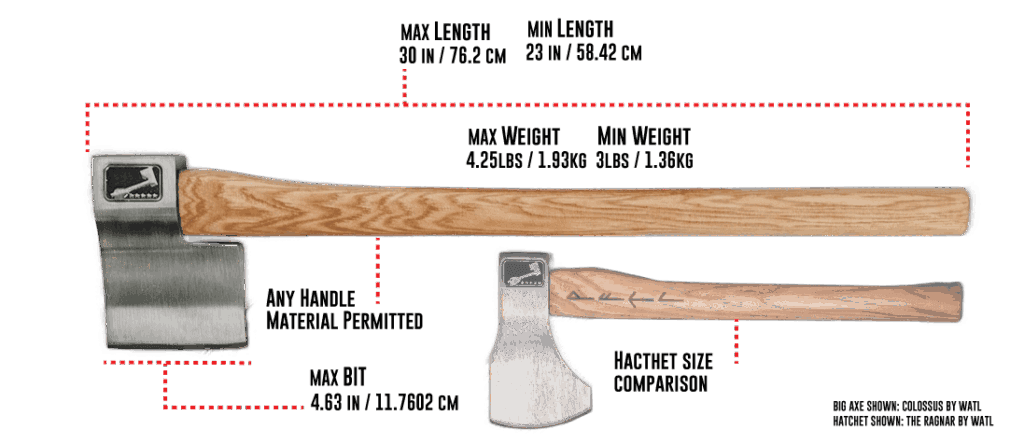
WATL’s 2026 rulebook update did not rewrite axe throwing so much as sharpen the edges that decide tight matches. The sport still runs on 10 throws per game, with the highest total winning, but the new language puts more weight on killshots, lane calls and fault rulings that can swing a bracket by a single axe.
The biggest scoring change is at the top of the target. WATL updated the outer bullseye and 5-ring positions, and in hatchet the outer killshot now scores 7 points while the inner killshot stays at 8. That matters because killshot pressure is already baked into the format: in Nationals Stage 1, the last two throws of each game must be killshot attempts, which makes the finish more than a flourish. It becomes part of the scoring architecture, not a last-second bonus.
WATL also clarified how killshots close and how extra killshot awards are handled on drops, a detail that should reduce arguments when a match gets messy at the board. The sharpest change comes in sudden death. Starting on the third sudden-death killshot attempt, and on any later double miss, lane judges now measure the distance from each axe’s closest scoring area to the scoring zone. That gives officials a clearer tiebreaker in the exact situation most likely to trigger controversy: both throwers missing under pressure and everyone in the venue thinking the margin was obvious when it was not.
The update also tightens fault language. A throw is a fault if a competitor touches lane equipment or the building past the fault line before all scores are called, though WATL left room for limited judge discretion after axes have come to rest. That is the kind of line that can protect competitive fairness, but only if judges apply it consistently. In a sport where a toe over the line can erase a good throw, clarity is the difference between a clean call and a courtroom debate at the board.
WATL says the 2026 changes were shaped by feedback from venue owners, competitors, industry staff and volunteers. The league, founded in 2017, says it now has 300-plus affiliated venues in 20 countries, so the stakes go beyond one league night. WATL also overhauled its Judge Certification Program for 2026, saying it is clearer, more manageable and better suited to supporting officials at every level. Its staffing guidance calls for one judge per 16 competitors in league, regional and local settings, and one judge per lane at nationals. Judges cannot score their own games and must disclose conflicts of interest.
The result is a rule set that rewards precision and tries to sand down the gray areas that frustrate throwers and spectators alike. For top competitors, the message is simple: clean releases, cleaner lane discipline, and no free wins in sudden death anymore.
This article was produced by Prism’s automated news system from verified source data, official records, and press releases, then run through automated quality and moderation checks before publishing. The system is built and supervised by the people who set the standards it runs under. Read our full AI policy.
Did this article answer your question?