ACL College turns cornhole into a scholarship path for students
ACL College gives university players a real ladder from qualifier events to scholarship money. Winthrop and Adrian College show how cornhole is moving from tailgates to campus recruiting.

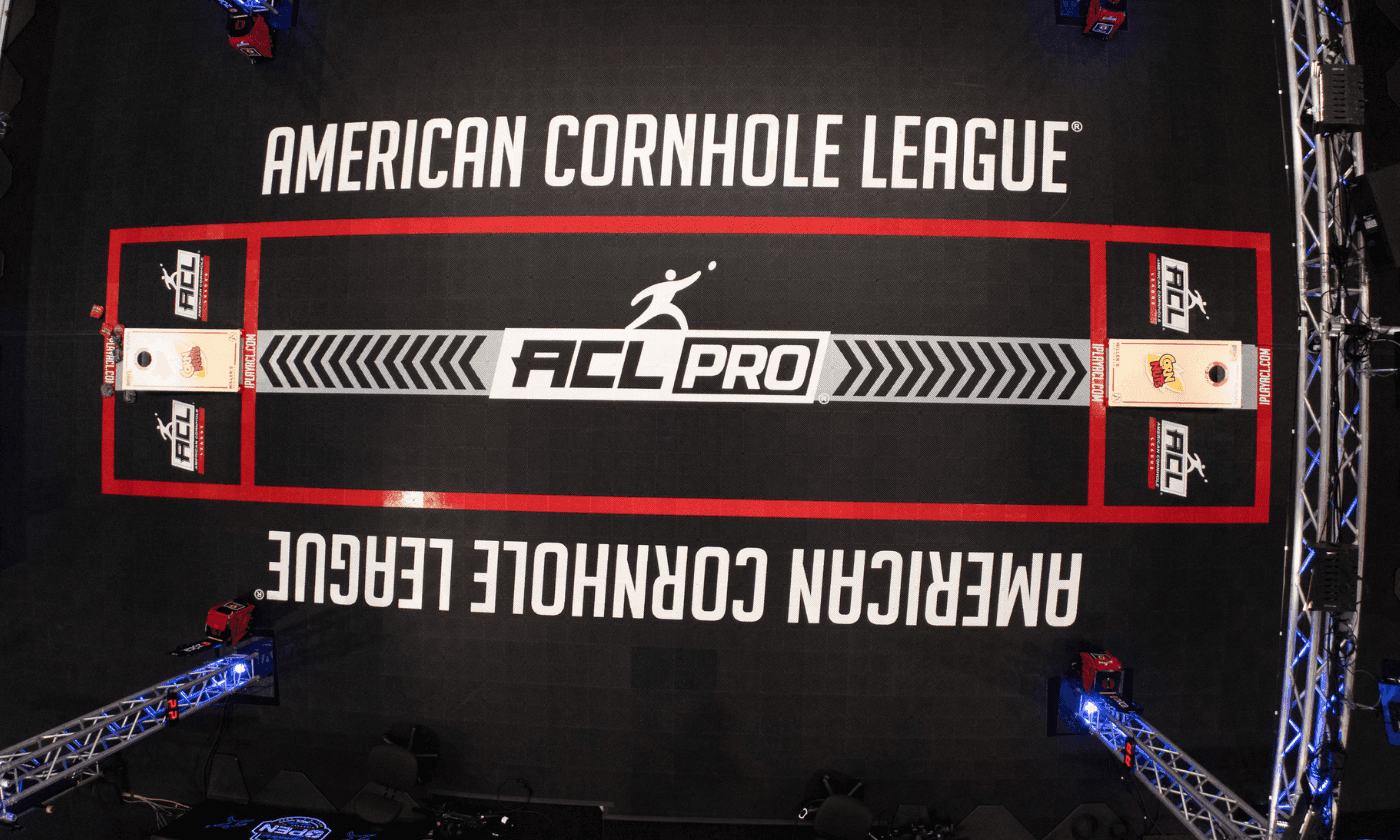
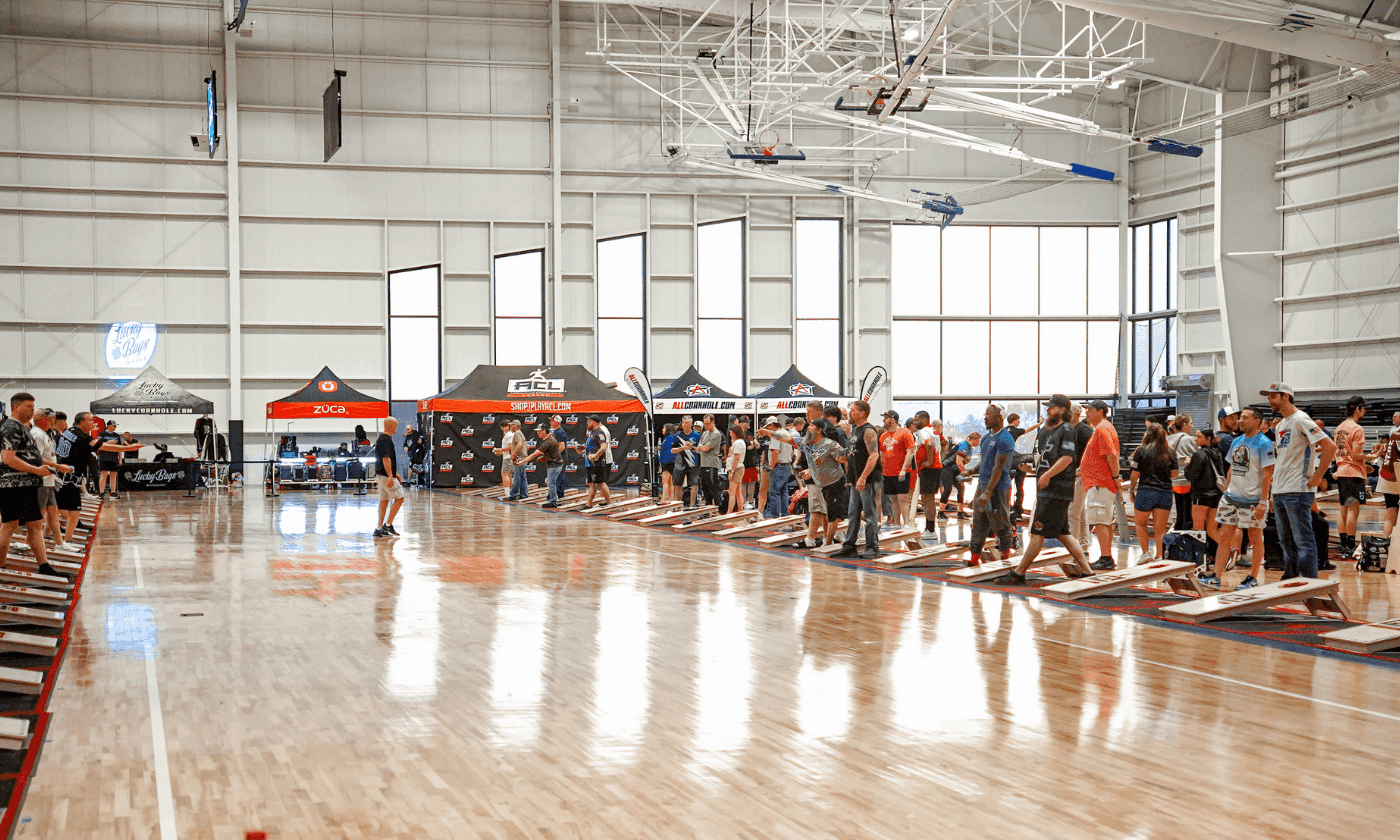
ACL College turns cornhole into something much bigger than a campus pastime. The American Cornhole League says university students can enter qualifier events recreationally, socially, or competitively, then work toward the National College Cornhole Championship. For families and young players, that means there is now a clear path to follow: find a school with an active college cornhole program, play ACL qualifiers, and chase results that can lead to scholarship money.
How the college ladder is built
ACL College is listed as a featured area on the league’s main site, alongside ACL High School and ACL International. That placement matters because it shows college play is not an isolated side project, but part of a broader pipeline that starts before college and can continue beyond it. The ACL also includes a Pros section with a path-to-pro page, so the college division sits in the middle of a larger competitive structure rather than ending at graduation.
The college page is built for students who want different levels of involvement. Some enter to compete socially, some for recreation, and others to pursue the qualifier path seriously. That flexibility is one reason the division has traction on campuses: it gives beginners a place to start without shutting out players who want a real championship chase.
- enter ACL qualifier events through the college program
- keep showing up at tour stops and championship events
- build a record that can earn a place at the National College Cornhole Championship
- watch for schools already committed to the pipeline, including programs tied to Winthrop University and Adrian College
For players trying to get noticed, the route is straightforward:
Where scholarship money enters the picture
The biggest reason ACL College stands out is the scholarship structure. The league says the National College Cornhole Championship crowns the best collegiate players and teams from around the country, and the winners receive scholarship money. That changes the feel of the sport immediately. A student is not only playing for bragging rights or a trophy, but for academic aid tied directly to performance.
The league has also shown that the scholarship pools can be meaningful at marquee college events. In one ACL Facebook post, the Southern College Cornhole Championships were described as offering $10,000 in scholarships. That kind of prize pool gives the college circuit a seriousness that most backyard games never reach, and it is one reason the pathway resonates with parents who want to see an actual payoff attached to practice time.
A separate ACL post pushed that idea even further by saying Gavin Hamann and Jaxson Remmick, who are committed to Winthrop University, were believed to be among the first students to play cornhole on college scholarships. That is a notable marker for the sport. It shows cornhole is not just creating prize events, but producing student-athletes whose college enrollment and competitive identity are tied to the game itself.
The events that make the pathway visible
The college side is not built around one showcase weekend. The ACL College page mentions qualifier events, and the league’s college tour adds a season-long rhythm that helps players move from campus play to wider competition. That structure matters because it gives students a schedule, not just a one-off opportunity.
One of the clearest examples in the calendar was the Myrtle Beach Signature Open, which was set for January 1-4, 2026 at the John T. Rhodes Myrtle Beach Sports Center in Myrtle Beach, South Carolina. The event details said it included competitions for amateurs and pros, as well as high school and college championships. That is the kind of lineup that shows how deeply cornhole has built out its ladder: a player can see the junior, college, and pro tracks all in the same event ecosystem.
The campus side already has its own proof points. On January 5, 2026, Adrian College said Alex Weaver won the first Adrian College cornhole national championship in Adrian, Michigan. That result gives the college game a concrete institutional foothold. It is one thing for cornhole to offer scholarships in theory; it is another for a college to be able to point to a national champion on its own campus.
Why the sport is growing beyond casual play
Cornhole has always been accessible, but ACL College shows why access is only part of the story. The game does not require expensive gear, a special body type, or years of technical training just to start, yet the skill ceiling is high enough to reward repetition, strategy, and mental control. That combination is exactly what makes a scholarship pathway possible: the barrier to entry is low, but the path to excellence is real.
The league’s structure across high school, college, international, and pro divisions also shows where the sport is headed. When a game has a clear developmental ladder, it stops feeling like a novelty and starts functioning like a legitimate competition system. That is why ACL College matters so much to younger players and their families. It offers a way to move from a tailgate board to a championship bracket, with scholarship money and recruiting attention waiting along the way.
This article was produced by Prism’s automated news system from verified source data, official records, and press releases, then run through automated quality and moderation checks before publishing. The system is built and supervised by the people who set the standards it runs under. Read our full AI policy.
Did this article answer your question?