How cornhole’s major governing bodies shape the sport
Three bodies, three rulebooks: cornhole’s ACO, ACA and ACL can all shape the boards, bags and events you enter.
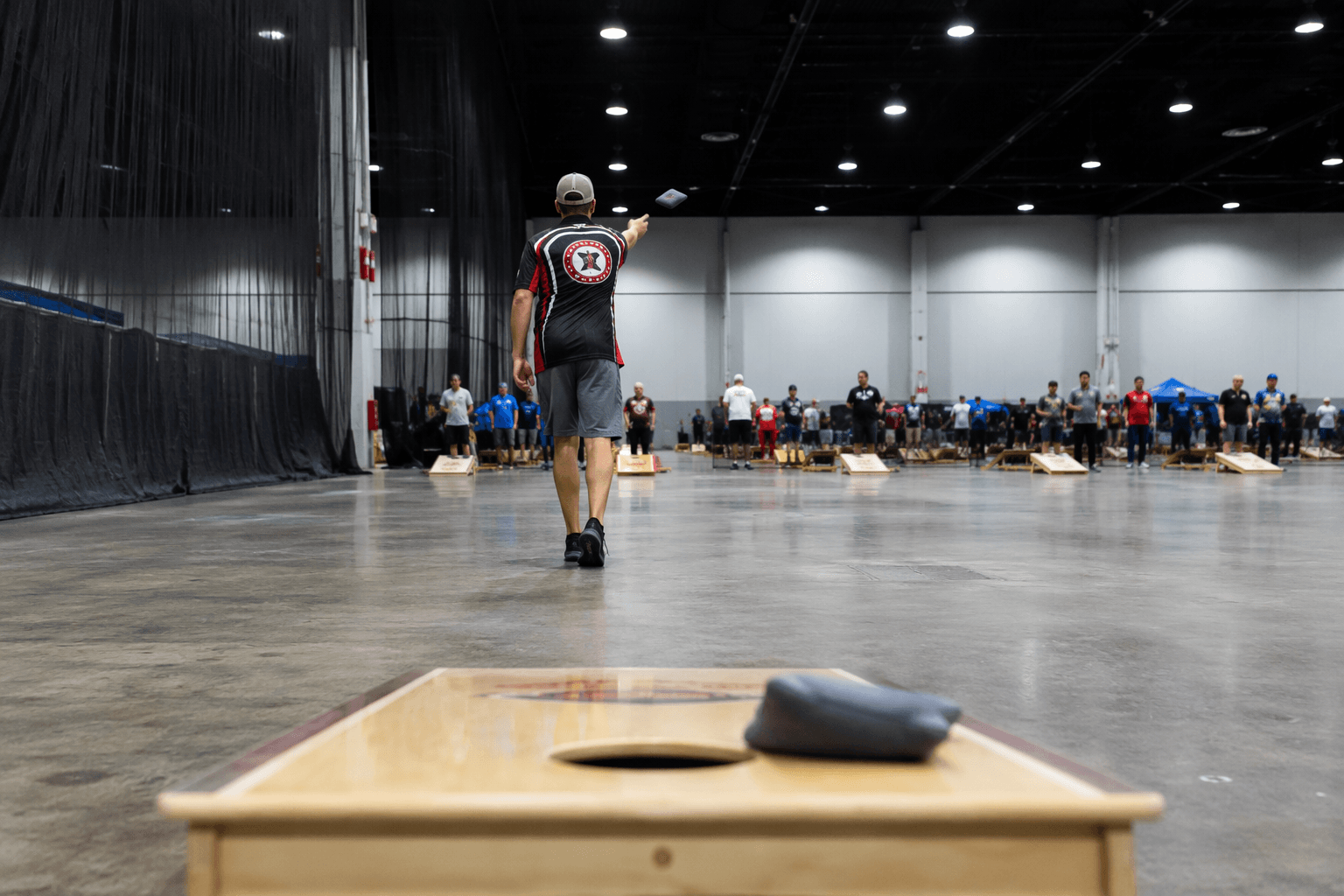
Cornhole looks the same from a tailgate or gym floor, but the moment you try to play it at a higher level, the sport splits into separate systems. One body may set the rules, another may define the equipment, and a third may run the tournament circuit you actually want to enter. That matters to a player trying to qualify, a director trying to sanction an event, and a sponsor deciding which standard to build around.
The ACO built cornhole’s first formal framework
The American Cornhole Organization says it was established in 2005 in Camp Dennison, Ohio, near Cincinnati, and presents itself as the first official governing body for the sport and the world governing body for cornhole. That claim gives the sport a clear starting point: organized cornhole did not simply emerge fully formed, it was formalized through sanctioning, rules, and official events.
The ACO’s history materials say the organization was founded by Frank Geers. In a December 2006 interview archive, Geers described his vision of turning cornhole from a backyard game into a national sport. The ACO’s own materials also emphasize official rules, sanctioned products, and tournament listings, which tells you how the body sees its job: not just hosting games, but defining the structure around them.
For a local tournament organizer, that matters immediately. If an event wants to attach itself to the ACO system, it is not just booking a date and filling a bracket. It is choosing a rulebook, a product standard, and a sanctioning path that can shape how the event is presented, what equipment is acceptable, and how serious players read the tournament.
The ACA shows how equipment and rules can create a different standard
The American Cornhole Association takes a slightly different path. Its site presents it as the original governing body of cornhole and puts a heavy emphasis on regulation boards, regulation bags, rules, and consumer-facing equipment. That makes the ACA especially visible to the person who buys a set first and learns the rule differences later.
Its rules materials provide concrete examples of how a governing body turns a casual game into a standardized one. One posted rules page includes a court dimension example of 8 to 10 feet wide and 40 to 45 feet long. An ACA rules PDF visible in search results specifies open adult-play board distance at 27 feet. Those details matter because they show that cornhole is not governed by a single universal measurement, even when the game looks identical on the surface.
That is where the confusion usually starts for fans and hosts. A board set, bag set, or backyard court may feel correct, but it can still fall outside the standards of a given sanctioning body. For an organizer, that means the ACA is not just another logo. It is a separate rule environment, and the size of the court can determine whether a local event feels recreational or officially sanctioned.
The ACL runs the modern competition pipeline
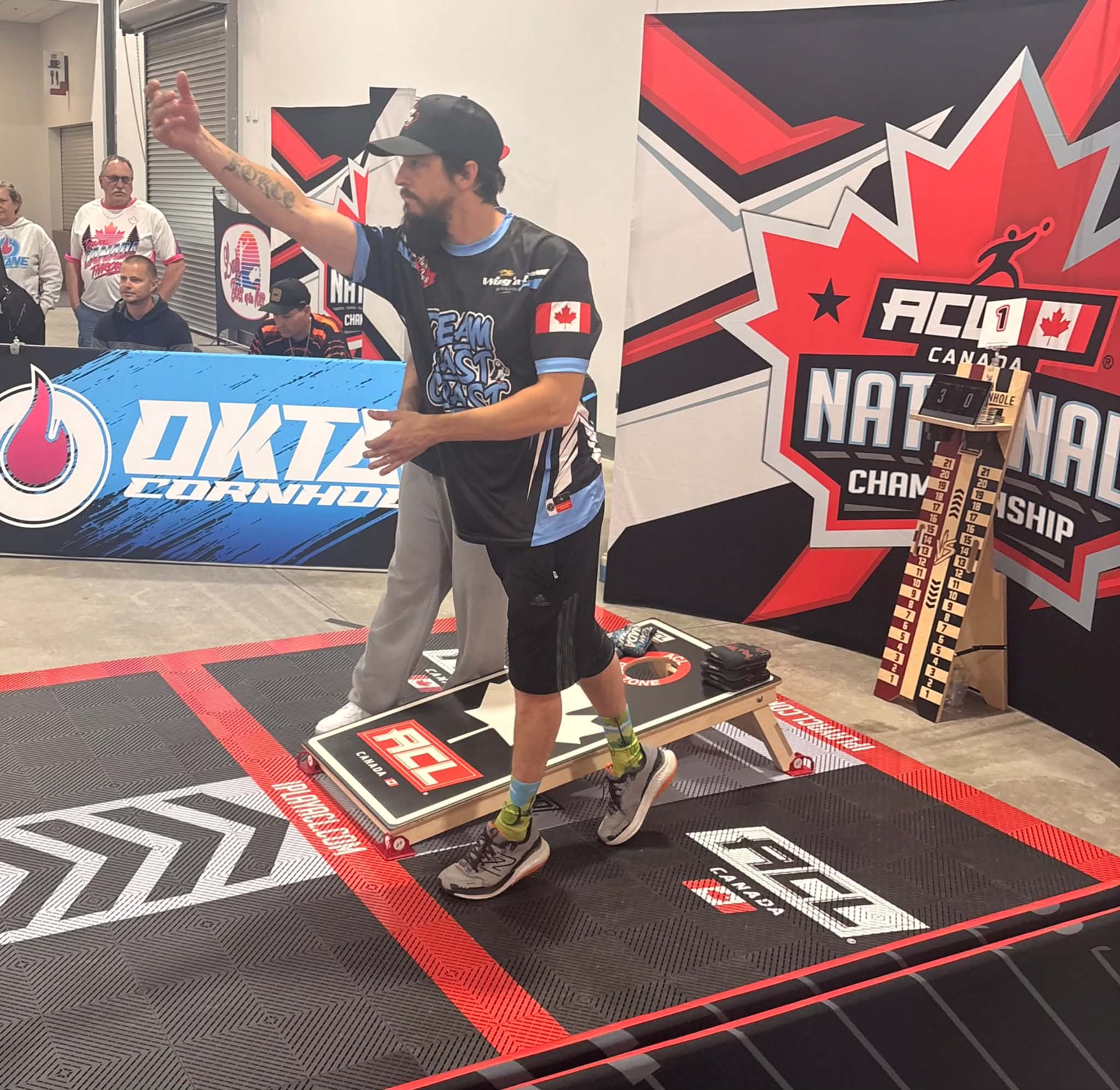
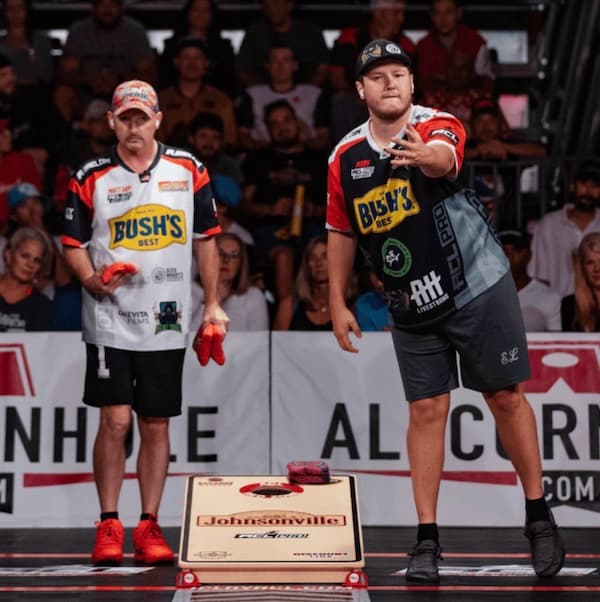
The American Cornhole League has built the widest public-facing competitive ecosystem. Its platform includes event listings, The Cornhole App, ACL College, ACL High School, and ACL International, which makes it more than a weekend tournament brand. It is a pathway, with different entry points for players at different levels and ages.
Its rules materials visible in search results specify standardized tournament equipment requirements, including 2-by-4-foot wooden boards, a 6-inch hole, and a 27-foot board-to-board distance in sanctioned play. That is the language of consistency, and consistency is what a league needs when it is trying to move cornhole from scattered local brackets into a repeatable pro product.
The ACL’s structure also shows where player development and event structure overlap. ACL College and ACL High School create formal lanes for younger players, while ACL International signals that the league is building beyond one region. The Cornhole App suggests the sport is now managed with the same kind of digital infrastructure that other modern leagues use to organize schedules, results, and access.
For a player, that means the ACL is often the body that shapes the most visible climb through the sport. For a director, it is a competition system with a defined format. For a sponsor, it is the platform most clearly designed to connect live events, player progression, and audience growth.
Where the standards collide
The big issue in cornhole is not that one body controls everything. It is that several bodies claim authority over different pieces of the sport, and their standards do not always line up. The ACO stresses official rules, sanctioned products, and a world-governing-body role. The ACA publishes rules that include one court-size example and a separate open adult-play board distance. The ACL uses its own sanctioned-play measurements and broad competition ecosystem.
That overlap creates real-world friction. A board built for one sanctioning body may not be the right fit for another. A tournament director trying to attract players from multiple circuits has to know which measurements, bags, and board specifications will be accepted. Even retailers feel the split, because equipment can be marketed as approved by one body or another, and that approval affects what players buy for home use and for competition.
This is also why cornhole’s growth has come with so much debate over standardization. USA Today described the sport as having moved from a backyard summer game to nationally televised matches on ESPN and noted an Olympic push. That kind of visibility raises the cost of inconsistency. Once a sport is on television and chasing larger legitimacy, different measurements and competing claims about authority stop being trivia and start becoming infrastructure.
Why the body you choose changes the sport you play
The practical answer is simple: the organization you deal with depends on what you are trying to do. If you want the oldest formal sanctioning structure tied to the sport’s early growth, the ACO is the name to know. If you are buying equipment or looking closely at court dimensions and board spacing, the ACA’s rules matter. If you want the broadest modern competition network, including youth, college, international, and app-based access, the ACL is the clearest pathway.
That is the real shape of cornhole now. It is not one central pyramid with a single gatekeeper at the top. It is a sport with multiple authorities, each controlling part of the route from backyard game to sanctioned competition, and that split explains why the same throw can feel casual in one setting and out of spec in another.
This article was produced by Prism’s automated news system from verified source data, official records, and press releases, then run through automated quality and moderation checks before publishing. The system is built and supervised by the people who set the standards it runs under. Read our full AI policy.
Did this article answer your question?