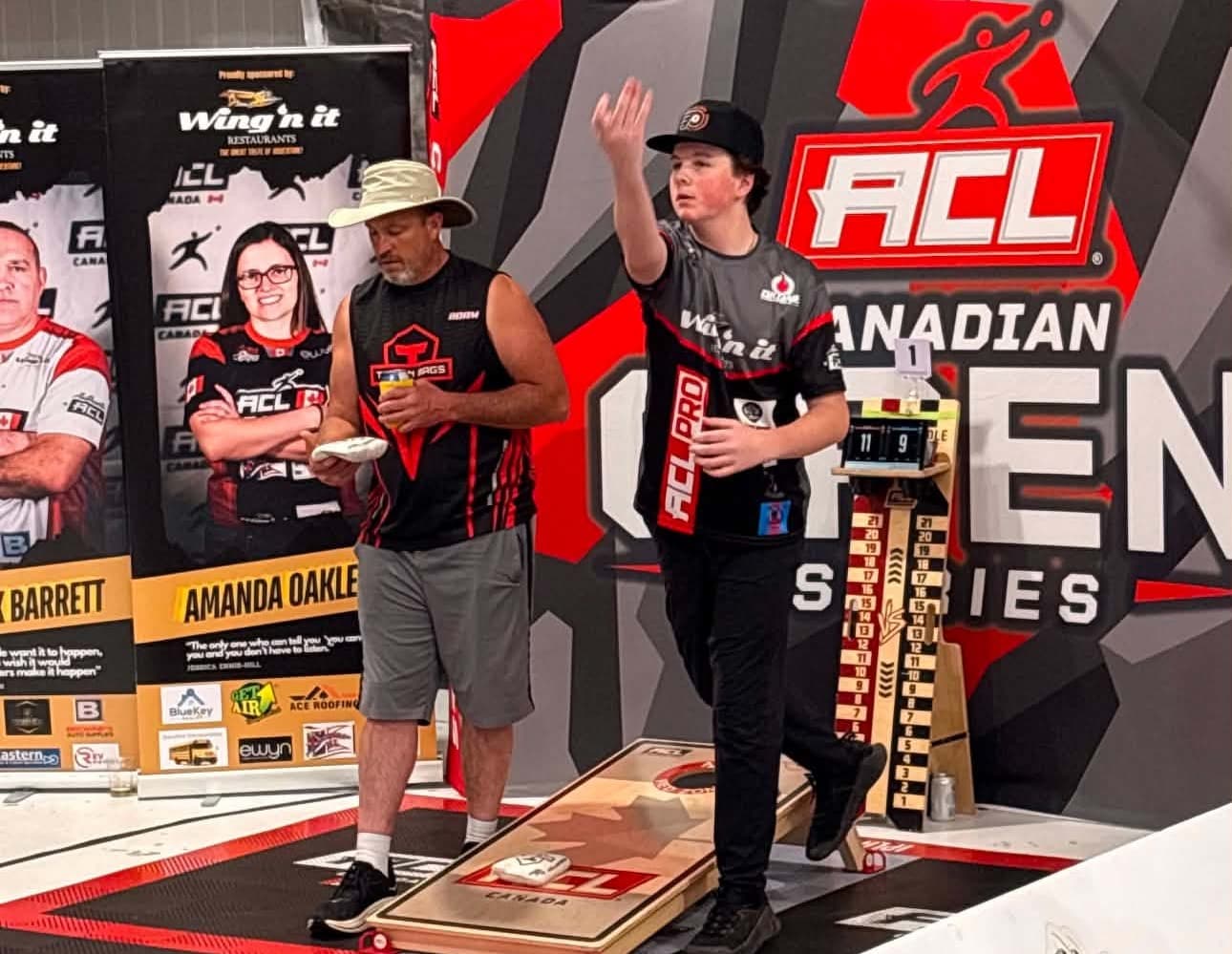
Why cornhole bag size and weight shape every throw
A cornhole bag’s size, weight, and fill decide whether it slides, sticks, or skids in humidity. The wrong specs can turn a familiar throw into a different game.
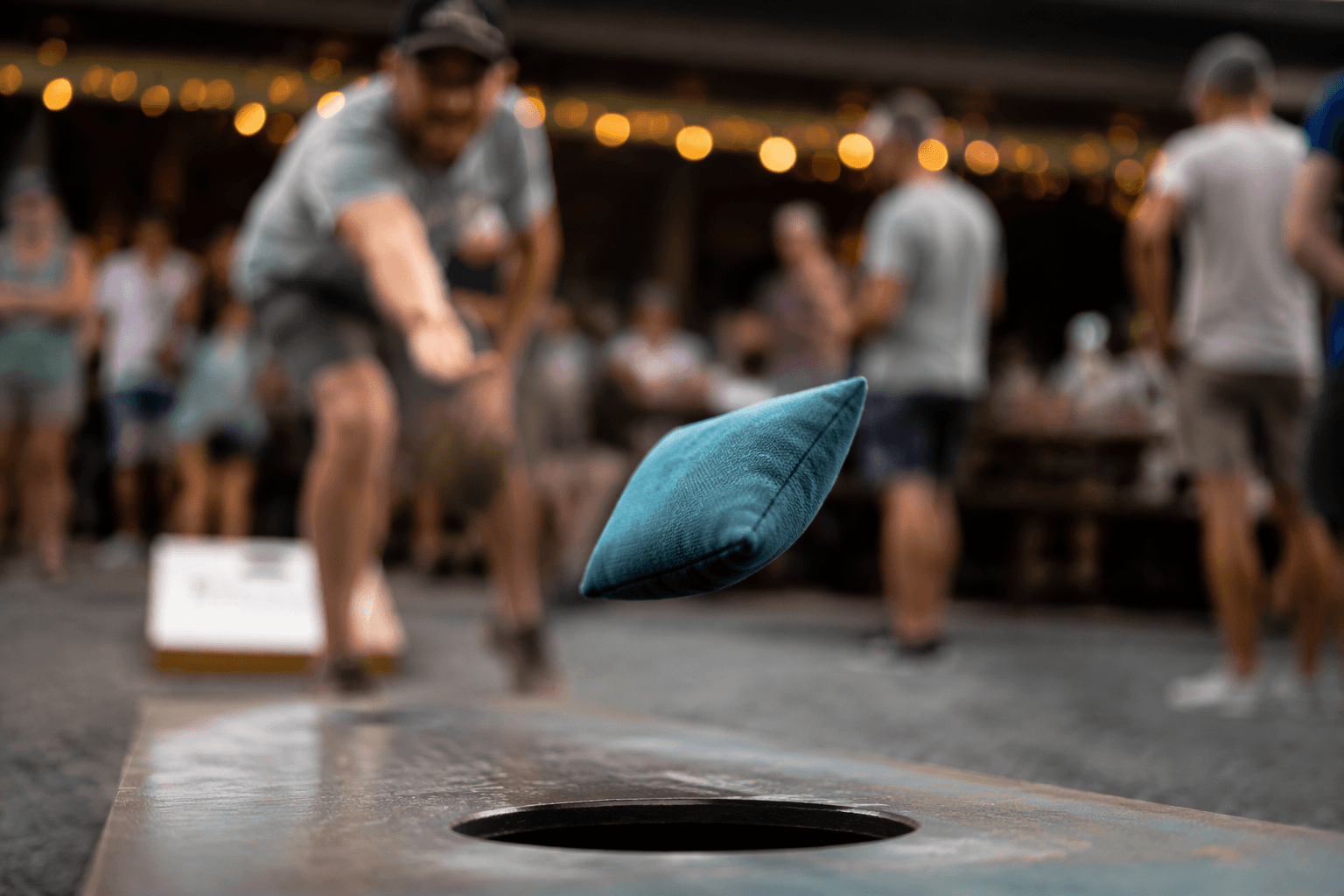
The bag is the hidden piece of cornhole equipment that changes everything. A set can look fine on the shelf, but if the bags are too large, too light, too thick, or filled unevenly, the throw you trust at home will not behave the same on a tournament board, especially outdoors and in damp conditions.
Why the measurements matter
Official bag size is not arbitrary. The World Series of Cornhole’s regulations guide says a standard bag is typically 6 inches by 6 inches and should not exceed 6.25 inches in diameter. The American Cornhole League is even more specific, requiring bags to measure 6 inches wide and 6 inches long with a plus or minus 1/4 inch tolerance. That narrow window matters because cornhole is a precision game, and a small change in footprint can alter how a bag slides, settles, grips, or blocks.
Weight is part of the same equation. ACL rules place bags between 15.5 and 16.5 ounces, while an ACL rules document also says thickness should be no less than 1.1 inches. Those standards keep a bag from feeling floppy, overly fast, or inconsistent from one set to the next. In practical terms, weight helps determine whether a bag dies softly near the hole, pushes through traffic, or stops short on a slick surface.
That is why sanctioned play depends on predictability. If a bag is too large or too thick, it may catch differently on the board edge. If it is too light, it can react too sharply to a slick board, wind, or moisture. Standardization gives a player in one state a realistic expectation that the bag on another tournament board will behave in a familiar way.
What official play expects from the whole setup
Bag rules do not exist in a vacuum. The American Cornhole Association’s sanctioned rules treat cornhole as a regulated equipment sport, with court dimensions and equipment standards built into official play. The ACL’s rules document also ties bag measurements to the rest of the equipment ecosystem, including board dimensions, hole size, and board thickness. That is the reason a regulation bag is only part of the story, but it is the part that changes the feel of every toss.
The point for buyers is simple: casual gear can be forgiving, but competition-ready gear has to match measurable standards. A bag that looks close enough can still drift outside the tolerances that matter in sanctioned play. That difference is easy to miss at a backyard toss and impossible to ignore when a point is on the line and the bag behaves differently on a board you have never seen before.
How materials changed the game
Classic cornhole bags are still closely associated with extra-soft duck canvas filled with corn. That old-school construction gives bags a familiar feel and a clear break-in period, which many players recognize from repeated play. World Series of Cornhole guidance and related retail pages still describe regulation-style bags in duck cloth terms, and some equipment guides use duck cloth, suede, or similar durable fabrics as the reference point for legal-style bags.
Modern bags, though, have moved beyond corn. American Cornhole’s partnership announcement with Remke bigg’s said the retailer became the preferred retail provider for American Cornhole bags in Cincinnati/Northern Kentucky, with two options: ACO Traditional canvas bags and ACO Tailgator bags assembled using canvas and suede. That pairing shows how the market blends traditional feel with newer materials designed for repeat use.

Resin-filled bags are the biggest change. Equipment materials describe them as more moisture resistant and longer lasting than corn-filled bags, and some modern descriptions say resin pellets resist mold, pests, and breakdown over time. That matters because a bag’s fill is not just about what is inside it; it is about how the bag reacts after rain, dew, humid air, or extended outdoor play. Corn can change over time, while resin is built to hold its behavior longer.
How size and fill change throw behavior
A cornhole bag is not just supposed to land somewhere near the board. It has to slide the right amount, stop the right way, and hold up under repeated throws. A bag that is slightly oversized can catch air and board edges differently. A bag that is underweight may skid too easily, while a heavier one can settle faster and play more like a controlled shot tool.
Fill material changes that relationship. Corn-filled bags often develop a more noticeable break-in, which can soften their action over time. Resin-filled bags tend to stay more consistent and resist moisture better, which gives them an edge when games move from a dry indoor setup to a damp backyard or a humid tournament site. That difference is exactly why two bags with similar dimensions can still feel like two different sports.
How to judge a set before you buy
A bag set can be good for casual use and still fall short of competition standards. The quickest check is the tape measure and the scale. A competition-ready bag should come in at 6 inches by 6 inches, stay within the ACL’s plus or minus 1/4 inch tolerance, and weigh between 15.5 and 16.5 ounces. Thickness should not dip below the ACL’s 1.1-inch minimum.
Beyond the numbers, look at the fabric and fill:
- Duck cloth or duck canvas usually signals the traditional feel associated with regulation-style bags.
- Canvas and suede combinations, like the ACO Tailgator bags sold through Remke bigg’s, point toward a more modern build.
- Resin fill is the better fit if moisture resistance, long life, and cleaner outdoor performance matter most.
- Corn fill remains the classic choice if you want the familiar break-in and softer traditional response.
The easiest way to separate casual-use acceptable from competition-ready is to ask whether the set is built to behave the same way every time. If the answer depends on weather, wear, or guesswork, it is not really tournament-grade. If the bag meets the published size, weight, and thickness standards and uses materials designed for consistent play, it belongs in the serious category.
Cornhole looks simple because the target is only 6 inches wide, but the bag is where the sport’s precision lives. Size, weight, thickness, and fill determine whether a throw glides, holds, or dies, and those tiny differences are what separate a backyard toss from a regulated game.
This article was produced by Prism’s automated news system from verified source data, official records, and press releases, then run through automated quality and moderation checks before publishing. The system is built and supervised by the people who set the standards it runs under. Read our full AI policy.
Did this article answer your question?