Arvada course shows how disc golf is booming in Colorado
Johnny Roberts is Arvada’s busiest disc golf course, and its nonstop traffic reveals why Colorado’s boom is built on free, public-park access, not just hype.
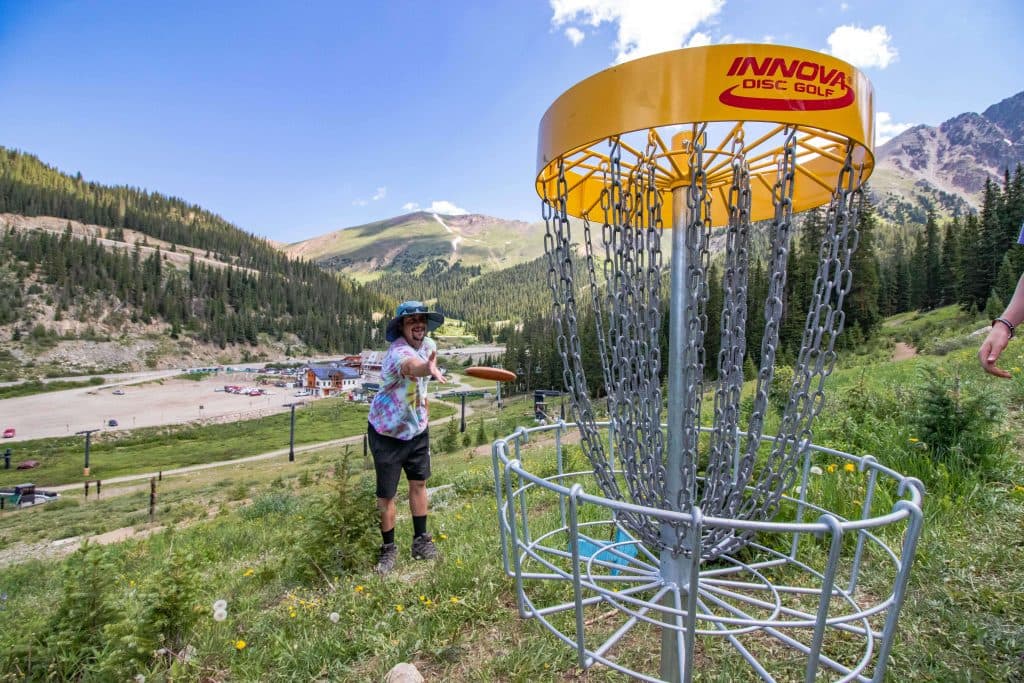
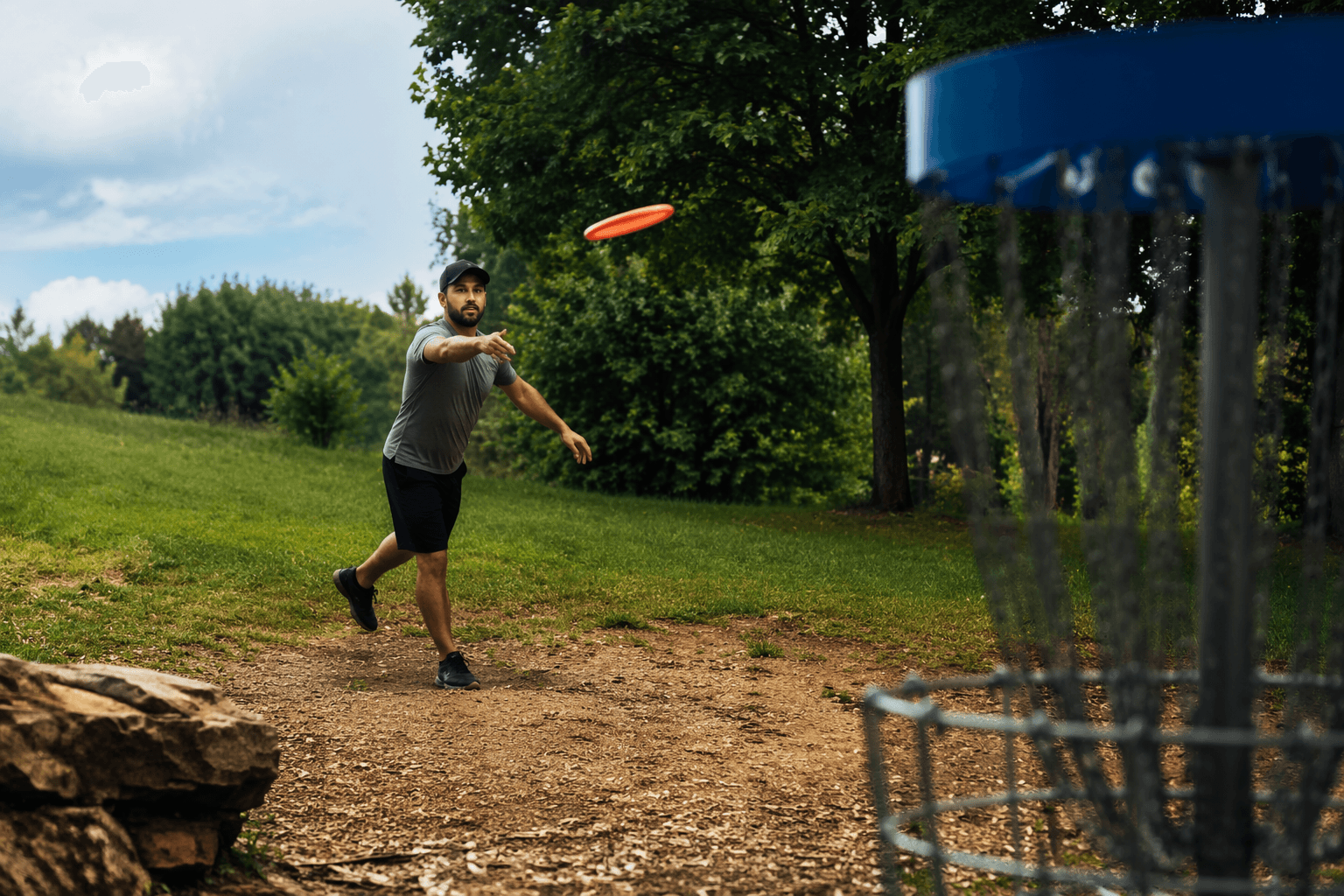
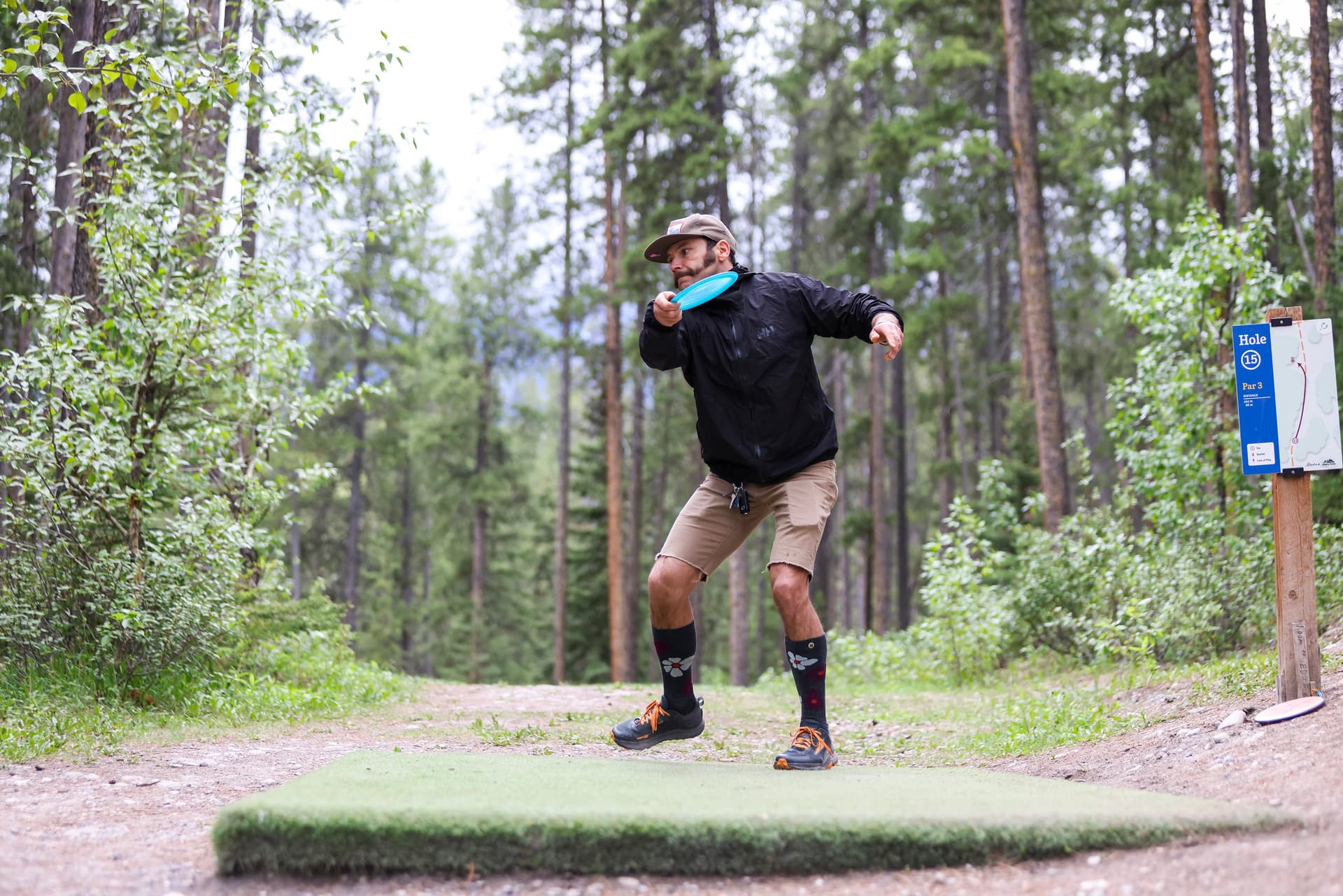
Johnny Roberts keeps drawing so many discs through Memorial Park that it has become the clearest window into Colorado’s disc golf surge. The Arvada layout is officially listed as the nation’s busiest course, with tens of thousands of rounds each year, and its constant clanging chains and wooded fairways along Ralston Creek show what growth looks like when a course becomes part of daily life.
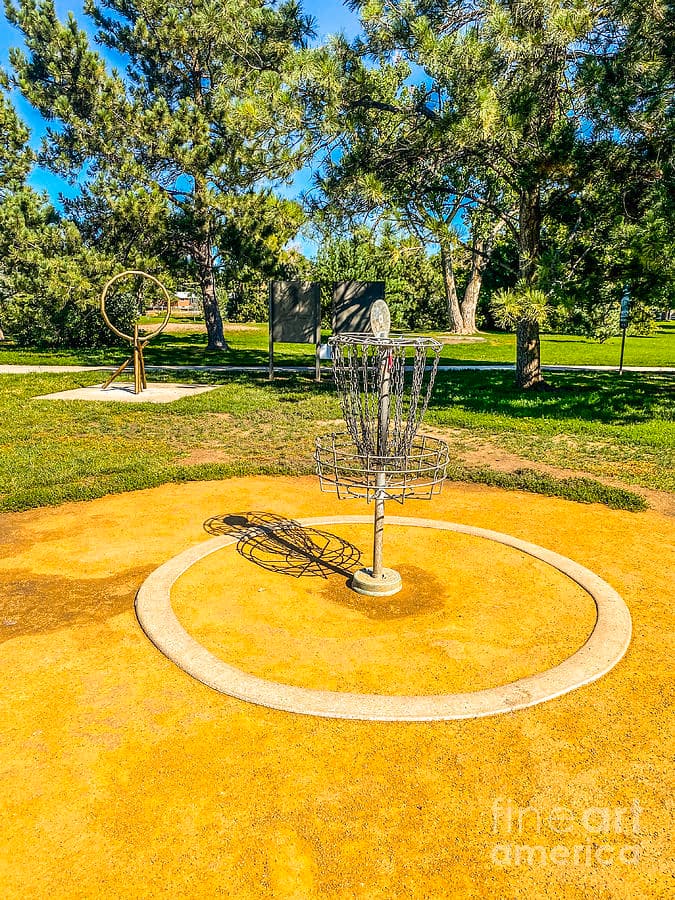
What makes Johnny Roberts matter is that it is not a shiny new destination built for a trend cycle. The Professional Disc Golf Association lists it as an 18-hole permanent course established in 1978, 5,324 feet long, with concrete tees and Mach III baskets. The PDGA also calls it the “granddaddy” of Colorado courses, which is fitting for a place that has outlasted almost every wave in the sport and still sits at the center of the state’s boom.
Why Johnny Roberts keeps pulling players back
Arvada’s own parks page says Johnny Roberts is “a short 18-hole course that is often very busy,” and that combination explains a lot of its staying power. Shorter layouts lower the barrier for beginners, while a public-park setting makes it easy to treat a round like part of the neighborhood routine rather than a special trip.
That daily-use pattern matters because disc golf grows differently from many club sports. It does not need a private facility, expensive membership, or a long conversion period before players feel comfortable showing up. In Arvada, the course’s popularity seems to come from exactly the ingredients that make the sport sticky: easy access, a familiar city park, and a design that lets newcomers and regulars share the same space.
There is also the experience itself. The wooded fairways and the sound of chains give Johnny Roberts a rhythm that feels communal, not exclusive. On a course that logs that many rounds, the appeal is not just that people can play, but that they keep choosing to play there again and again.
Colorado’s growth is bigger than one course
Johnny Roberts is the entry point, but the larger story is statewide. UDisc’s 2026 Growth Report says there are 17,287 disc golf courses in 99 countries, 89% of them are free to play, and about 21.2 million rounds were played in 2025. The report also says roughly 500 million people live within 10 kilometers of a course, a number that helps explain why the sport can spread quickly once a city parks system and a local player base line up.
Colorado is part of that expansion in a major way. UDisc’s Colorado guide says the state now has 326 courses, including 144 with 18 or more holes. That is a serious footprint for a sport that still depends so heavily on public land and city support, and it suggests Colorado is not just hosting disc golf, but building an infrastructure for it.
The pace has been remarkable. UDisc says the number of courses worldwide has almost tripled since 2015, and more than 1,100 courses have been built per year for six consecutive years. Its fact sheet goes even further, saying three new courses were built per day in 2025. In other words, the Colorado boom is part of a much larger rise, but the state’s numbers show how quickly a strong market can turn into dense local coverage.
What drives the boom, and what actually matters
The easy explanation is that disc golf is cheap and outdoors, but that only tells part of the story. The stronger drivers are more practical: free-to-play courses, park departments willing to devote land, and layouts that are approachable enough for first-timers while still rewarding repeat players. UDisc says 89% of courses are free, and that free-access model is the clearest reason the sport can keep adding casual rounds without a lot of friction.
Population density matters too. UDisc says 22 states’ most popular courses sit within 30 minutes of the state’s most-populous city, and most popular courses often have easy or moderate layouts. Johnny Roberts fits that pattern in spirit if not by formula. Its traffic shows how a course near people, and designed for broad access, can become a magnet without needing a tournament pedigree or resort-style amenities.
That is where Colorado’s blueprint gets interesting. The state’s growth does not appear to be driven only by elite tour coverage or by a single burst of novelty. It is being pushed by municipal parks, neighborhood convenience, and a culture that turns a public course into a repeat destination. That is a healthier engine than pure hype because it creates players, not just course openings.
The player experience question beneath the numbers
More courses do not automatically mean better disc golf. The real test is whether the boom improves the round itself, or simply inflates the course count. Johnny Roberts offers a useful answer because its popularity has not obviously broken the experience. UDisc’s course page describes it as busy, but with no substantial backups, which suggests demand has not overwhelmed the design.
That matters in a state like Colorado, where growth can easily become a vanity metric if new layouts are added without considering flow, access, and maintenance. A course that gets used thousands of times a year is an asset only if it can still deliver a good round. Johnny Roberts seems to clear that bar, which is why it remains both a local staple and a statewide reference point.
A memorial that still shapes the sport
The course’s name adds another layer to the story. Johnny Roberts was born in 1931, lived in Arvada, died in 1994, and was inducted into the Disc Golf Hall of Fame in 1995. The Hall of Fame describes him as someone who warmly embraced people and valued fun over winning, a reputation that matches the course bearing his name.
That history matters because it shows how disc golf in Colorado grew from personalities and community as much as from planning. Johnny Roberts is not just a busy course in a busy state. It is proof that when a public park course becomes part of a city’s identity, the game can grow in a way that feels durable, local, and worth repeating.
This article was produced by Prism’s automated news system from verified source data, official records, and press releases, then run through automated quality and moderation checks before publishing. The system is built and supervised by the people who set the standards it runs under. Read our full AI policy.
Know something we missed? Have a correction or additional information?
Submit a Tip