DGPT maps out live coverage for European Open in Tallinn
Tallinn gets a marquee broadcast push: DGPT is opening the European Open for free, then moving the decisive rounds behind DGN Pro in disc golf’s biggest European week.
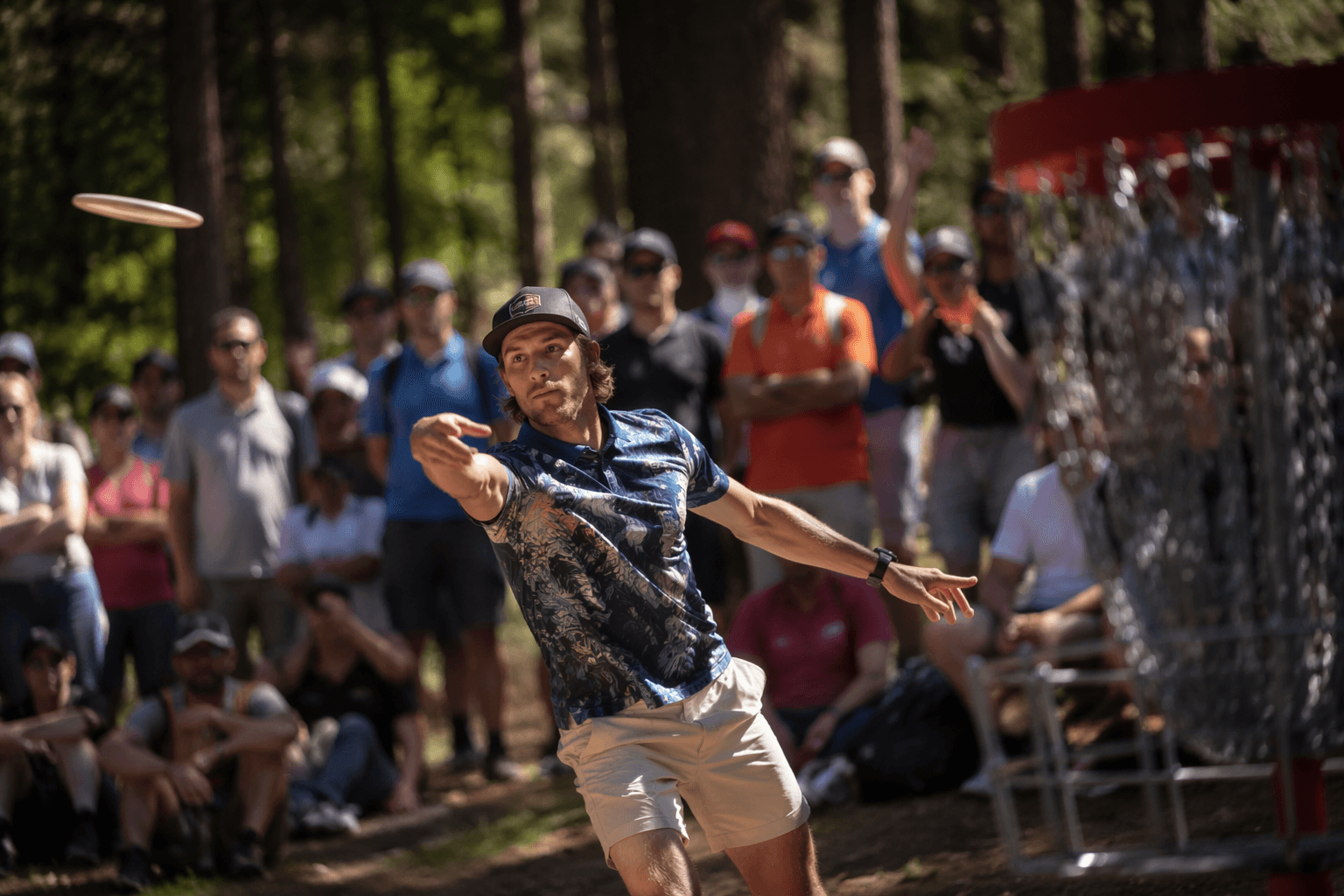
DGPT is treating Tallinn like a flagship broadcast stop, and the viewing plan makes that clear from the first tee shot. The European Open begins June 18 at the Tallinn Song Festival Grounds, but the week around it is bigger than a standard tournament window: it includes the Presidents Cup on June 16, the European Open from June 18 to 21, and a festival atmosphere built around concerts, family activities, food, vendors, and the return of the Rockstar pop-up disc golf park.
How to watch the action in Tallinn
The clearest message from DGPT’s viewing guide is that access is being staged deliberately. The first hour of every broadcast will be free on the DGPT YouTube channel, giving casual viewers and cross-time-zone fans an easy way to sample the event without committing immediately. From there, the rest of Round 1 will be available on DGN Free and included with the Standard subscription tier, while Rounds 2, 3, and 4 will be exclusive to DGN Pro.
That structure matters because it turns the European Open into both a showcase and a premium product. Fans in the United States can catch the opening coverage as a late-night or early-morning window depending on the card and production schedule, while European viewers get a similar benefit from broad entry access before the tournament narrows behind the Pro paywall. The message is simple: DGPT wants this event to feel welcoming at the start, but its most consequential shots are positioned as premium viewing.
Why the broadcast model is the story
This is not just about how many cameras are on the course. DGPT is using Tallinn to sharpen the distinction between general access and elite access, and the pricing tells its own story. Upgrading from Standard to Pro costs $7, a relatively small step for fans who want full live coverage of the Major and later-season premium events such as the USDGC and Throw Pink Championship.
That modest upgrade also signals how disc golf’s media business is maturing. The European Open is being presented as one of the sport’s defining live products, not only because of the competition but because of the audience it can command across continents. A free opening hour widens the funnel; the Pro-only rounds protect the event’s value when the leaderboard tightens and the stakes rise. In that sense, Tallinn is functioning as a test case for how DGPT can balance reach, subscription growth, and prestige.
Tallinn’s place on the sport’s biggest stage
The scale of the week goes beyond the European Open itself. Organizers describe the 2026 European Open as Europe’s only PDGA Major in 2026, and the broader European Disc Golf Festival runs June 16 through 21 at the Tallinn Song Festival Grounds. PDGA also lists the European Open as a Professional Major scheduled for June 18 to 21 in Tallinn, Harjumaa, Estonia, with Tarmo Laiksoo named tournament director.
That framing gives the event unusual weight for a European stop. The Presidents Cup arrives first on Tuesday, June 16, with Team USA facing Team Europe in Tallinn two days before the European Open begins. By placing a team event and a Major in the same festival week, the sport is giving fans a concentrated international showcase rather than a single tournament in isolation. The result is a rare stretch where national identity, elite individual competition, and broadcast production all intersect on one site.
A venue that already has a recent disc golf history
Tallinn is not a blank slate. The 2025 European Disc Golf Festival at the same venue produced two major champions who still shape the story of this week. Calvin Heimburg won the MPO title, and Silva Saarinen took the FPO crown. DGPT’s recap of Heimburg’s victory said he beat Gannon Buhr by one stroke and finished at 49 under par, while Innova said the performance earned a 1080 event rating, described as the highest Major event rating in PDGA history.
That history gives the 2026 return a sharper edge. Fans are not just being asked to tune in because a Major is taking place in Europe. They are being invited back to a course where a breakout performance already changed the record book and where Saarinen’s celebration helped cement Tallinn as a meaningful setting in the modern women’s game. The venue’s return also reinforces a simple truth about disc golf’s growth: the biggest stars now travel through Europe with the same urgency and expectation once reserved mainly for American stops.
What the European Open says about the sport’s business future
Tallinn’s broadcast plan says as much about disc golf’s commercial direction as it does about the leaderboard. DGPT is clearly betting that a Major in Europe can draw enough global attention to justify a layered live product, with free sample access, a paid middle tier, and a premium tier for the decisive rounds. That is the language of a sport learning how to monetize prestige without shutting out the broad fan base that helped build it.
It also reflects how central European majors have become to the sport’s identity. The European Disc Golf Festival is not being framed as a side trip or a novelty stop. With the Presidents Cup, the European Open, and the surrounding festival programming all anchored at the Tallinn Song Festival Grounds, the week has the scale of a destination event. For U.S. fans, it is a chance to watch elite international disc golf on a different clock. For European fans, it is proof that one of the sport’s grandest stages now belongs in their own backyard.
The most important rounds will sit behind DGN Pro, and that is exactly the point. DGPT is not just broadcasting a tournament in Tallinn. It is packaging European disc golf as a premium global event, with the competitive stakes, production polish, and international symbolism to match.
This article was produced by Prism’s automated news system from verified source data, official records, and press releases, then run through automated quality and moderation checks before publishing. The system is built and supervised by the people who set the standards it runs under. Read our full AI policy.
Did this article answer your question?