Discontinued disc golf brands shaped the sport’s cult-classic molds
Dead brands still shape today’s bags because the Super Puppy and Whizback solved real flight problems. Scarcity turned those molds into collector currency and identity pieces.
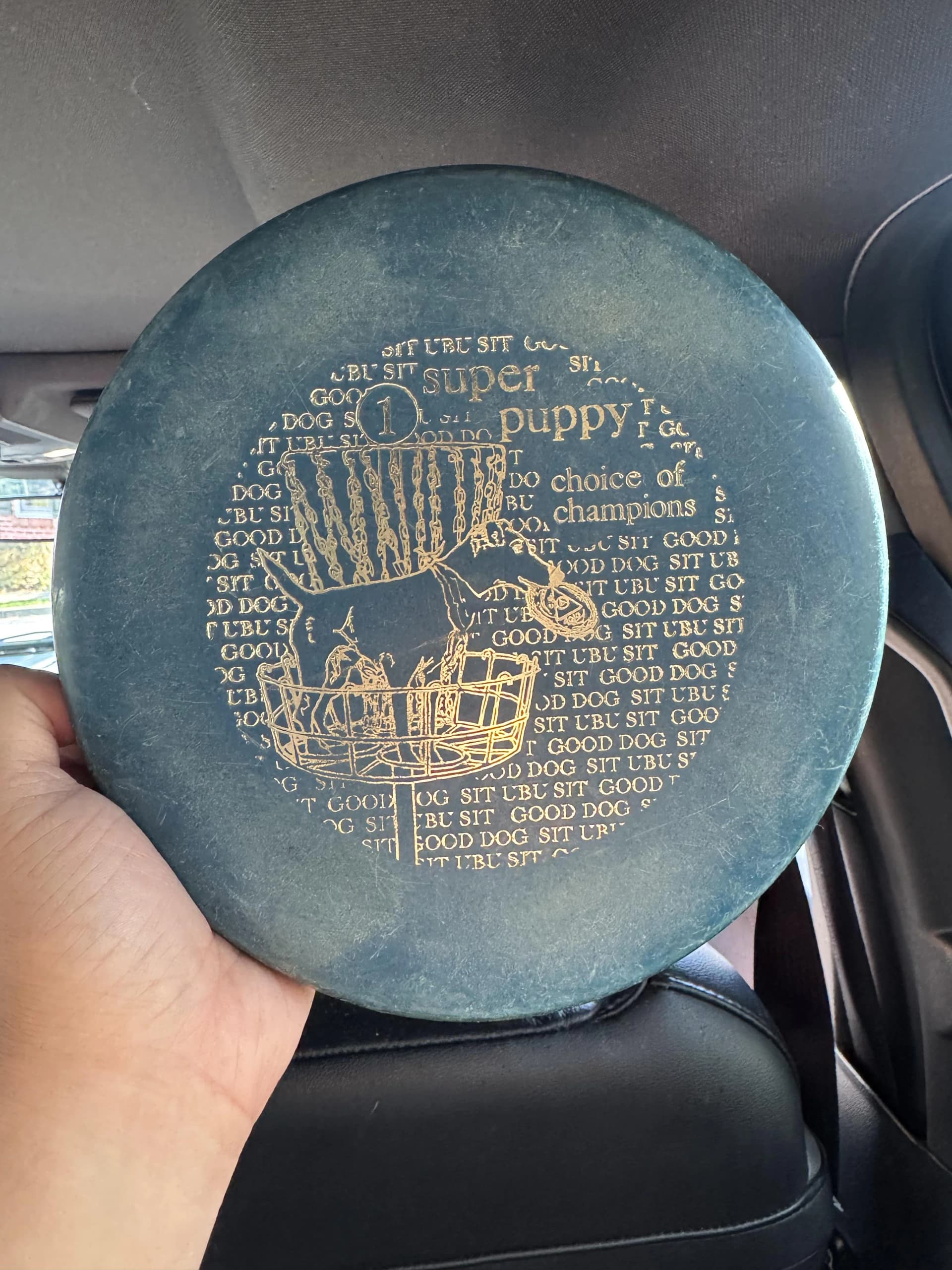
A dead brand can still earn a spot in a serious bag if the mold is good enough. That is the odd little truth at the center of disc golf’s collector culture: a disc can outlive the company that made it, and the best old plastics become reference points for how the game learned to fly.
The molds that outlived the labels
UDisc’s April 23, 2021 guide to defunct disc golf disc brands, co-authored by Isaac Friedman and Alex Williamson, covered 29 brands and put a clean spotlight on two Destiny/Dynamic Disc molds: the Super Puppy and the Whizback. The guide’s photo caption even pins one Super Puppy to the 1985 PDGA Worlds, which matters because it links the disc to championship-level play, not just a nostalgia shelf. When a mold shows up in that setting, it stops being a curiosity and starts looking like equipment history with flight numbers written in plastic.
That is why old names still circulate among players who care about feel and shot shape. A cult mold is not prized simply because it is old or rare. It is prized because it solved a problem in a way players remember: a straighter line, a harder finish, more wind resistance, or a better hand feel. Once a mold disappears, the memory of what it did becomes part of the sport’s oral history.
Why the old plastic still flies differently
Discontinued brands tend to vanish for business reasons, not because the discs were bad. Some companies were ahead of their time but never had the scale to stay in the market. Others were too experimental, too small, or too dependent on one mold or a narrow slice of players. In a sport where mold shape, plastic blend, and rim geometry can change how a disc comes out of the hand on a backhand, forehand, or specialty shot, that kind of experimentation leaves a long tail.
That tail is what players chase. A modern run may be easier to find, but it does not always replicate the exact flight or feel of an old mold from a dead brand. When a disc golfer says a classic was “money,” what they usually mean is that the mold did one very specific job better than the rest of the rack. That is why a Super Puppy or Whizback can still matter decades after the original manufacturer faded from the main market.
Collector culture is part archive, part bag-building
The collector side of this story is not a side note. The Flying Disc Museum says it is dedicated to the world of flying discs and disc sports, and a place where historians, collectors, enthusiasts, and anyone else from around the world can view, research, and contribute to the collective knowledge. The International Flying Disc Collectors Association has described itself as dedicated to promoting flying disc collecting throughout the world. That is not a trendy internet subplot. It is a real archive culture with decades of documentation behind it.
That history changes how scarcity works now. Once a mold is gone, every surviving disc gets pulled into a different economy, where value is shaped by condition, stamp, era, and whether the run is one people remember throwing. The result is simple: old plastic becomes both equipment and memorabilia. Players chasing specific flights, and collectors chasing specific stamps, often overlap because the same disc can satisfy both instincts.
Some of the recognizable examples that keep this market alive are the ones with a clear story attached:
- Super Puppy, including the 1985 PDGA Worlds example shown in UDisc’s guide
- Whizback, another Destiny/Dynamic Disc mold that still gets talked about
- Other defunct-brand discs that live on because players remember the exact shot they handled best
That memory is the real currency. The disc may be scarce, but the reason people want it is practical first and sentimental second.
Steady Ed made the whole ecosystem possible
None of this collector fever would matter without the modern disc golf era that made disc-specific brands worth chasing in the first place. DGA says disc golf as it is known today began with “Steady” Ed Headrick, whom it calls the father of disc golf and the driving force responsible for the modern era of Frisbee. That infrastructure opened the door for the brand experimentation that followed, and for the molds that eventually became cult classics after their makers were gone.
The broader collecting world also matters here because it shows how disc culture grew out of a long-running habit of saving physical evidence. The Flying Disc Museum’s materials show that disc and flying-disc collecting has been documented in publications for decades. So when a player treats a discontinued mold like a treasure, that is not a new behavior. It is the sport’s archive instinct showing up in a sport bag.
How to think about dead molds now
The smart way to approach discontinued discs is to treat them like tools with history, not trophies without purpose. If you are chasing one, the question is not just whether it is rare. The question is what shot it actually gives you that a current production disc does not.
A practical approach looks like this:
- Look for a discontinued mold when you need a very specific flight window, not just a famous name
- Pay attention to plastic blend and rim shape, because older runs can feel meaningfully different in the hand
- Buy with two questions in mind: will you throw it, and do you want to preserve it
- Judge a dead brand by the shot it solves, not by the logo on the stamp
That is the part players sometimes miss while everyone else chases the hype. Scarcity is not the same thing as usefulness. The best discontinued molds survive because they still pass the eye test on the course, and the hand test on the tee pad. When a disc can do that after its brand is gone, it has earned more than collector status. It has earned a place in the sport’s memory.
This article was produced by Prism’s automated news system from verified source data, official records, and press releases, then run through automated quality and moderation checks before publishing. The system is built and supervised by the people who set the standards it runs under. Read our full AI policy.
Did this article answer your question?