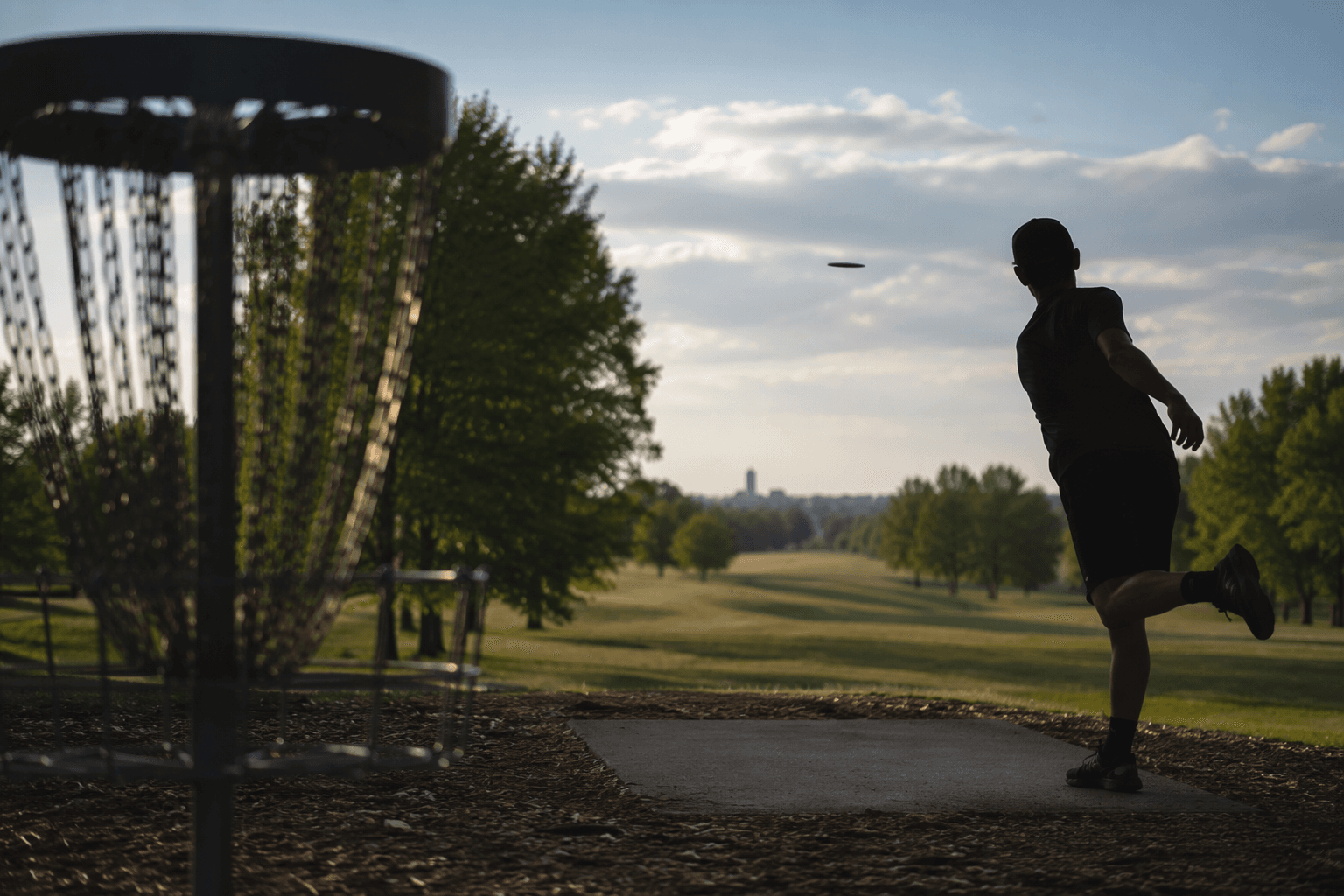
How disc golf takes root in Nairobi, Kenya, and beyond
Nairobi shows disc golf rooting itself through land, discs, and local organizing. Kenya now has a permanent course, mapped city layouts, and a path to sanctioned play.
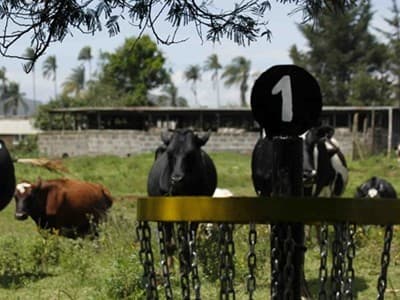
A golfer standing at Rimpa Estates Wildlife Conservancy in Kiserian is not looking at a classic stadium or a purpose-built municipal complex. They are looking at an 18-hole course that the Paul McBeth Foundation calls Kenya's first permanent disc golf home, with Nairobi's ILRI Campus course showing that the city now has more than one mapped place to play. That shift matters because disc golf travels by adapting to terrain, not by waiting for perfect infrastructure, and the region's next step is already on the calendar in Johannesburg.
A sport that follows the land
Disc golf makes sense in Nairobi because it can be read directly off the landscape. A player sees throwing corridors, fairways, hills, and landing zones, which means parks, open areas, and natural spaces can become playable with baskets, tee areas, and a route through the property. The game does not need a massive built environment to exist; it needs a place where discs can fly, land, and be recovered.
That low infrastructure threshold is a big part of why disc golf can appear in new countries more easily than many organized sports. One or a few dedicated people can sketch out a course, a curious group can test it, and a landscape that invites experimentation can do the rest. In a city like Nairobi, the sport becomes legible through space first and branding second.
Kenya's first permanent layout
The clearest marker of permanence is the Rimpa Estates Wildlife Conservancy project in Kiserian. The Paul McBeth Foundation identifies it as an 18-hole course and calls it the first permanent course in Kenya, which turns a one-off introduction into a fixed point in the country's sporting map. Once a course is permanent, it can be learned, repeated, improved, and defended as a regular place to play.

That matters for more than bragging rights. A permanent layout gives beginners a place to return to, gives local organizers a base for events, and gives the wider disc golf community a reason to treat Kenya as a place with its own course identity rather than a temporary stop on a tour of novelty sites. For a sport trying to root itself, the first permanent course is the point where experimentation starts becoming infrastructure.
A mapped network, not a one-off experiment
UDisc's Kenya and Nairobi guides show that disc golf in the country is already bigger than a single site. Its listings include Rimpa Estates Wildlife Conservancy in Kiserian and ILRI Campus Disc Golf Course in Nairobi, which means players can now find more than one course in the area and build rounds around actual locations rather than rumor or word of mouth. That visibility is a practical step forward, because a sport is easier to sustain when players can see where it lives on a map.
The difference between one isolated course and a small network is huge. A single course can introduce the game, but multiple mapped sites create travel, comparison, and repetition. They also make it easier for new players to understand that disc golf is not a pop-up event or a novelty demonstration; it is something they can pursue across different parts of the city and region.
The people who keep it moving
Disc Golf Kenya is doing the work that legacy clubs and long-established leagues usually handle elsewhere. Its Facebook group says it is for people interested in learning about and playing disc golf, and helping grow the sport in Kenya, while its Instagram bio says it is promoting the growth of disc golf in Kenya. Those are not decorative lines; they are the connective tissue of a developing scene.
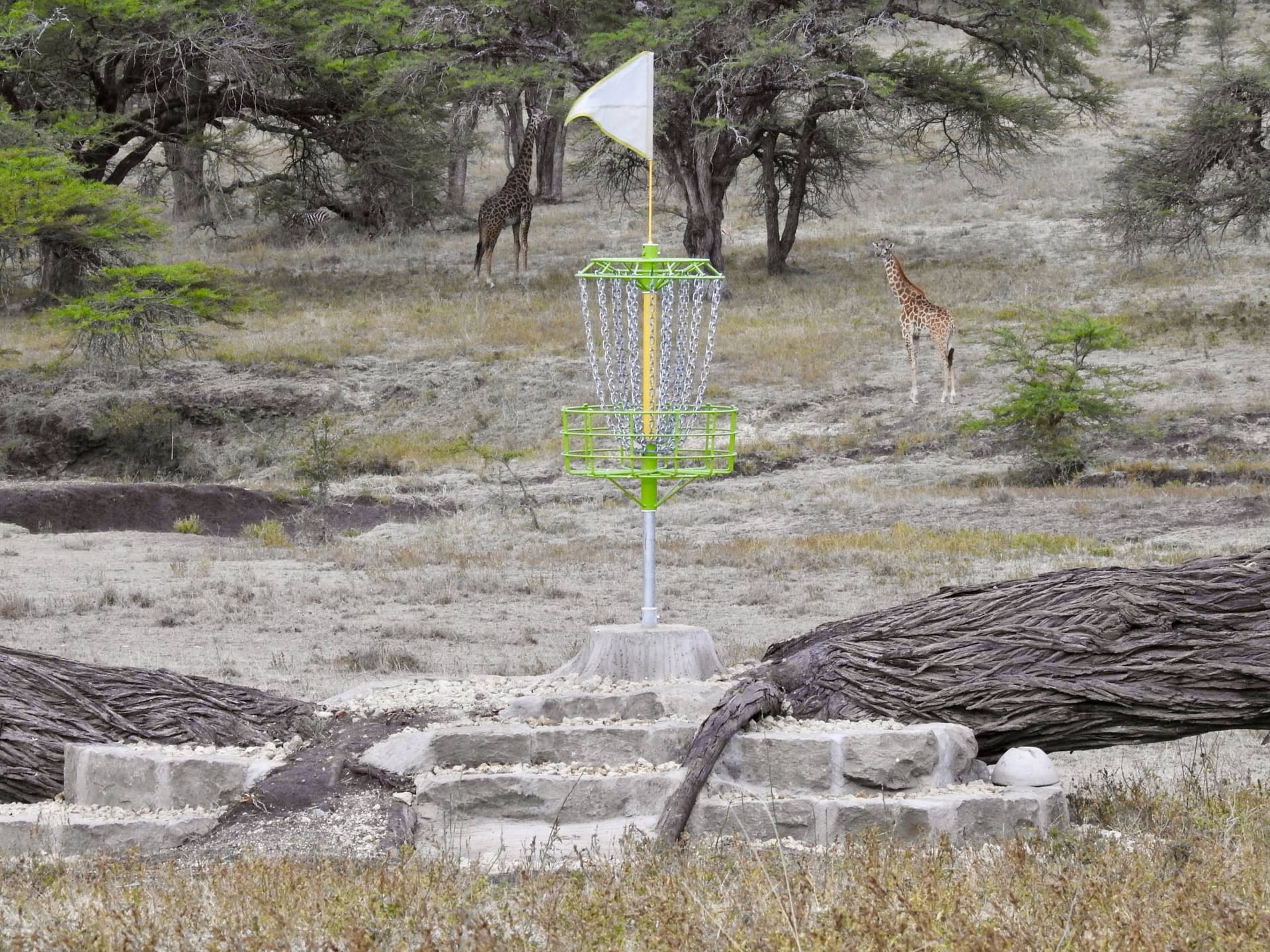
In places with little legacy infrastructure, that kind of local organizing matters as much as the physical course. It is where new players learn the basics, where rounds get scheduled, and where a sport becomes social before it becomes fully institutional. Disc golf spreads fastest when there is a place for curiosity to turn into habit, and that usually starts with a local organizer, a social channel, and a few willing throwers.
Why the model travels
Disc golf has a cross-cultural advantage because the entry point is simple. The scoring system is easy to explain, with the fewest throws winning, but the sport still has depth for serious competition. That makes it accessible to children, adults, and older players without requiring separate versions of the game, and it helps the sport translate across languages and cultures with very little explanation.
The equipment side is just as important. Players need discs, not a full field of specialized gear, which lowers the cost of entry and makes the sport easier to fit into places where budgets, land use, and sporting traditions differ from the North American model. In Nairobi, that simplicity is what allows the game to move from a single installed course to a broader sporting idea that more people can actually try.
From local rounds to sanctioned competition
The business layer is beginning to show up alongside the community layer. A Disc Golf Scene listing places Kenya Open 2026 as a PDGA C-tier event in Kiserian, with Benroso Safaris and Millennium Golf Discs named as sponsors. Sponsorship like that signals a sport that is becoming legible to local businesses as well as to players, because events need support if they are going to recur.
The continental picture is even more striking. Disc Golf South Africa, the PDGA's country partner association in South Africa, has proposed hosting the inaugural PDGA African Disc Golf Championship at the Inanda Disc Golf Course in Kyalami, Johannesburg, South Africa, from November 6-8, 2026. The PDGA event page labels it a sanctioned Pro/Am C-Tier, which shows that Africa is starting to build formal competition rather than relying only on informal play.
What it takes to build the next Nairobi
The Kenyan blueprint is straightforward, and that is what makes it useful. Find land that can support fairways and landing zones, make the course permanent if possible, map it so players can locate it, and give the scene a home through a local group that can recruit and teach. Then add events, sponsors, and sanctioned play so the course becomes part of a repeatable calendar rather than a one-time introduction.
Nairobi shows how disc golf takes root when it leaves its original home and learns a new geography. The sport does not need legacy infrastructure first; it needs land, committed organizers, and enough visible rounds to make the next player believe the game belongs there too.
This article was produced by Prism’s automated news system from verified source data, official records, and press releases, then run through automated quality and moderation checks before publishing. The system is built and supervised by the people who set the standards it runs under. Read our full AI policy.
Did this article answer your question?