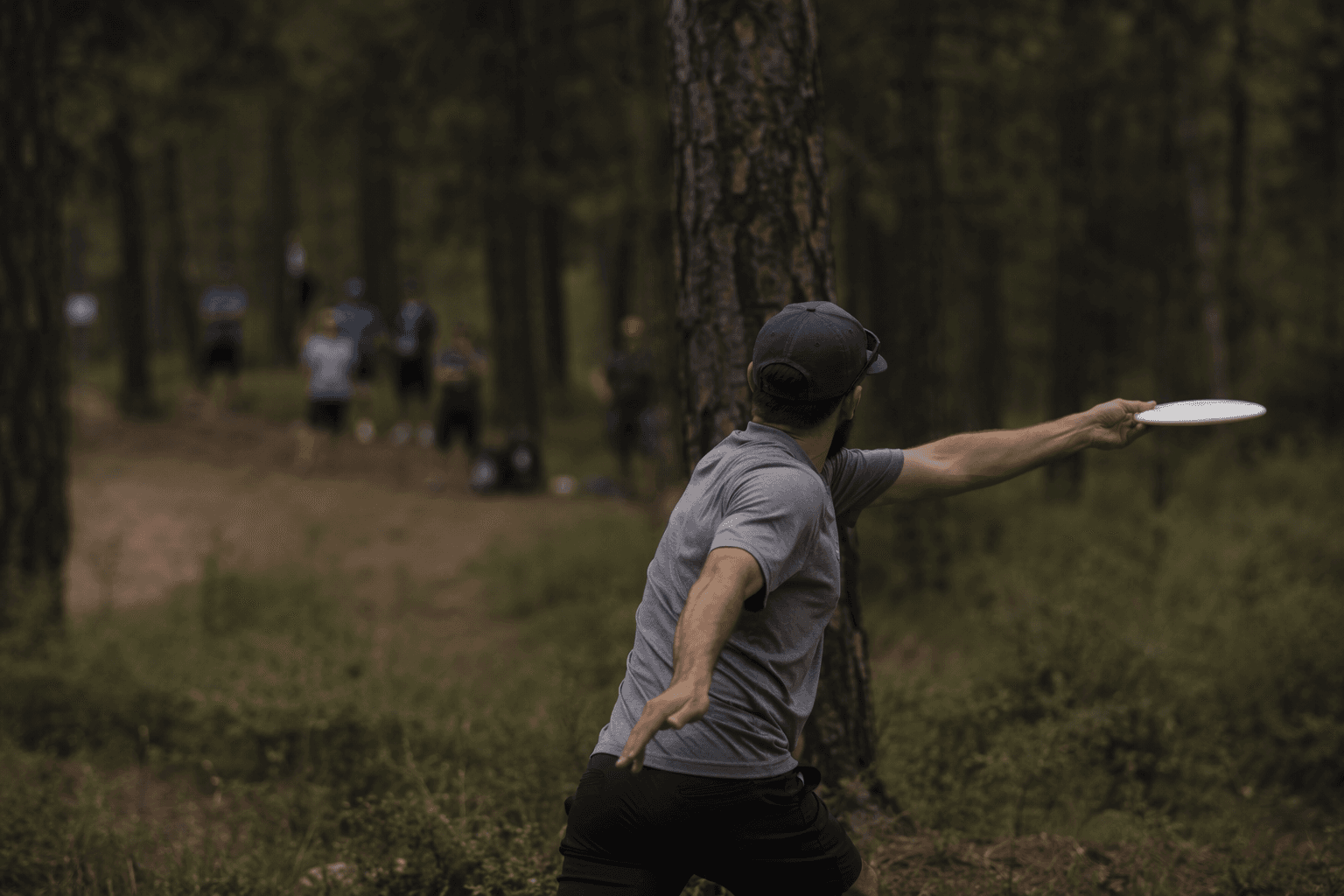
Paul McBeth Foundation brings first permanent disc golf courses to Jamaica
Jamaica's first permanent disc golf courses will rise in Mandeville, with an 18-holer at Jamaica Deaf Village and a 9-hole school course built for lasting access.

The Paul McBeth Foundation moved disc golf into new ground in Jamaica with Project 6.2, a two-course buildout in Mandeville that will give the island its first permanent installations. One course will be an 18-hole layout at Jamaica Deaf Village, while the other will be a 9-hole course at a local school in downtown Mandeville, a setup designed to serve both the Deaf community and the next wave of local students.
That split matters. The foundation pitched the project not as a one-off donation but as infrastructure meant to last, with beginner-friendly layouts and professional tee signage planned for the 2026 installation. In a country that has never had permanent disc golf courses, the focus is on making the game easy to pick up and hard to outgrow, so the same ground can support first-timers, school use and recurring community play.
The partnership anchors the project in an established Deaf institution. Caribbean Christian Center for the Deaf operates three residential schools in Kingston, Knockpatrick and Montego Bay, along with Jamaica Deaf Village in Mandeville. CCCD says the village has served adult Deaf people and their children since the first residents arrived in 2002, and its mission centers on full language access and affirmation for the Deaf community in Jamaica.
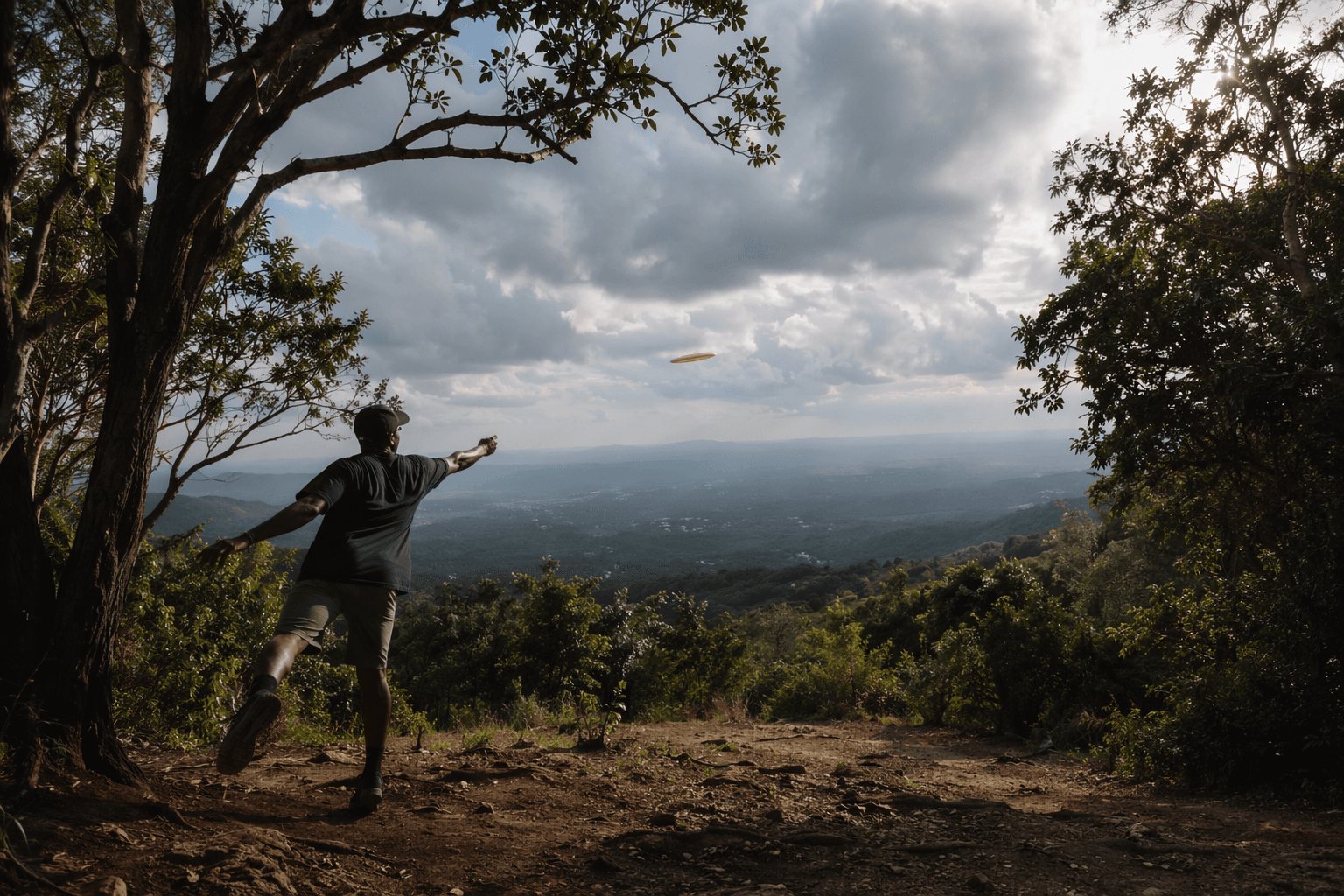
That makes disc golf a particularly practical fit. The sport does not depend on verbal communication, can be played at nearly any age and adapts to a wide range of ability levels. For Jamaica Deaf Village, that means more than recreation. It creates a shared space where residents, students and neighbors can learn the game on a course built for repeated use, not just a ribbon-cutting photo.
The broader stakes stretch beyond one town. Jamaica is still working through hurricane recovery after Hurricane Melissa made landfall on October 28, 2025, as a Category 5 storm, and preliminary government estimates put damage at US$6 billion to US$7 billion, about one-third of GDP. Against that backdrop, a durable sports project carries extra weight: it adds a new amenity, but also a reason to keep people on site, teaching, playing and maintaining the courses over time.
The Paul McBeth Foundation says Project 6.2 fits its mission of bringing sustainable disc golf experiences to underserved places with limited or no access to the sport. That mission has already scaled elsewhere. UDisc lists the foundation as having designed 33 courses, introduced more than 2,000 new players and logged more than 11,000 unique disc golfers across 164,000 rounds. DiscStore.com is backing the Jamaica project as a Gold Sponsor, with the Professional Disc Golf Association listed as a supporting sponsor, giving the buildout added credibility inside a sport that traces its organized roots to the 1970s.
For Jamaica, the milestone is bigger than baskets in the ground. It is the start of a permanent disc golf map, one that could be carried by schools, Deaf community leaders and local players long after the first discs are thrown in Mandeville.
This article was produced by Prism’s automated news system from verified source data, official records, and press releases, then run through automated quality and moderation checks before publishing. The system is built and supervised by the people who set the standards it runs under. Read our full AI policy.
Know something we missed? Have a correction or additional information?
Submit a Tip