Paul McBeth Foundation expands disc golf into Ethiopia with two courses
Two 18-hole builds in Addis Ababa and Asossa would give Ethiopia its biggest disc golf step yet, pushing the game beyond one-off baskets and into a real pipeline.

The Paul McBeth Foundation is taking its biggest Ethiopian swing yet with Project 6.3, a plan to install two 18-hole courses in Addis Ababa and Asossa and widen disc golf access across East Africa. That matters because the sport does not grow on inspiration alone. It grows where there is a tee pad, a fairway and a place to play again tomorrow.
PMF has built its identity around that reality. The foundation says it develops sustainable disc golf experiences in places with limited or no access to the sport, and its UDisc designer profile shows the scale of that work: 33 courses, more than 2,000 new players introduced to disc golf, 11,000-plus unique disc golfers, 102,000-plus rounds played and 162,000-plus recreation hours. Those numbers are the better metric than ribbon-cuttings. They say PMF is not just planting baskets, but trying to create traffic, repetition and a local habit of play.
Ethiopia already has a small but real disc golf footprint. The Professional Disc Golf Association lists Assosa Disc Golf Course as the first course in the country, installed in 2015 with PDGA support and designed by Yohannes Desalegn. UDisc lists Aserahawariyat Disc Golf in Addis Ababa, located at Asrahawariyat school, as the city’s first course, established in 2021 and designed by Disc to Africa. The Ethiopian Open 2019, a PDGA-sanctioned C-tier in Assosa, was hosted by Assosa University Disc Golf Club Hope. In other words, this is not a blank map. It is an unfinished one.
That is why two full 18-hole layouts in Addis Ababa and Asossa could matter far beyond the opening week. A course in a school setting can introduce the sport. A full 18-hole destination can support leagues, clinics, school programs and sanctioned events that give young players somewhere to progress. It also gives local organizers a venue that can hold up after the install crew leaves, which is where so many development projects stall.
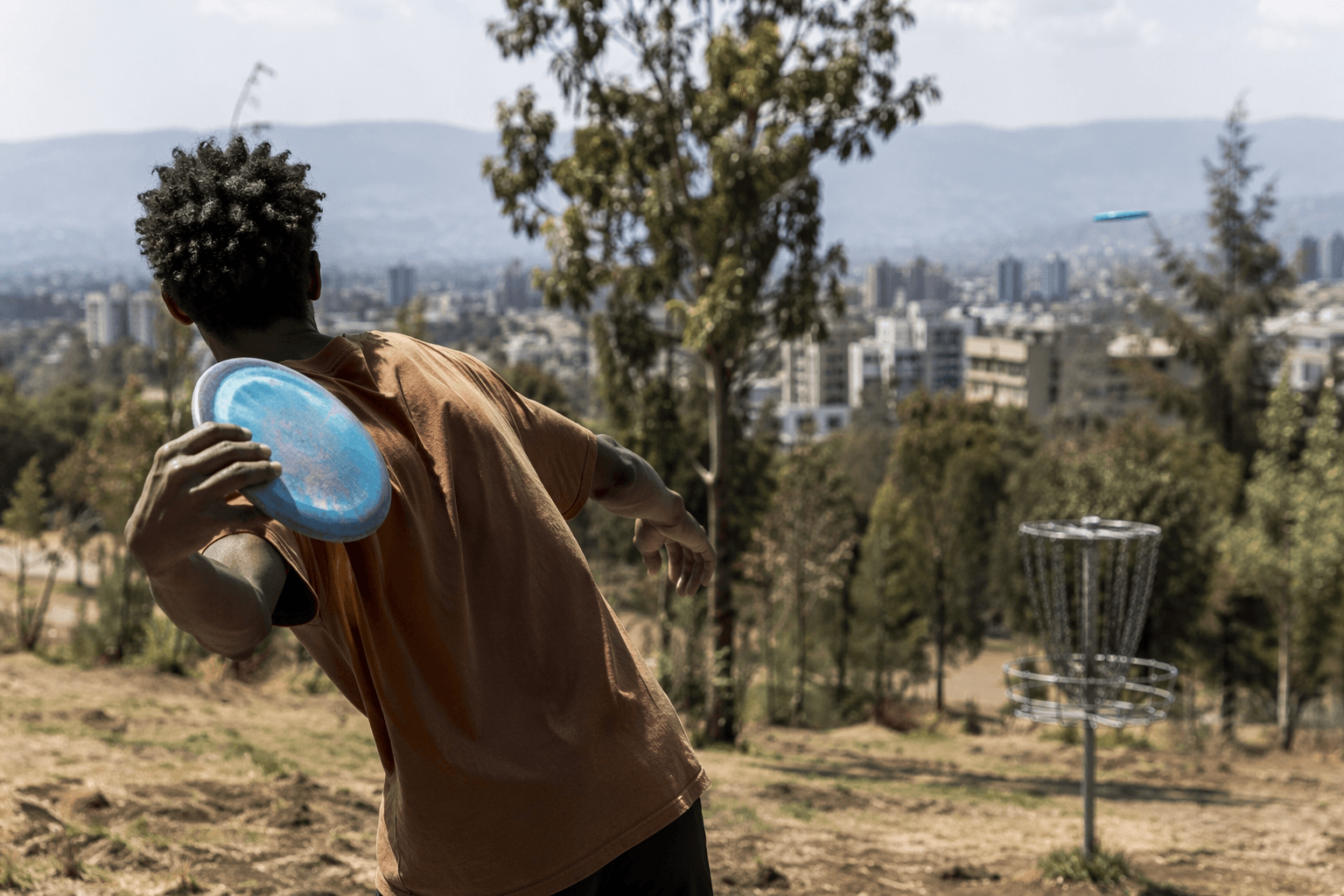
PMF’s record elsewhere suggests the Ethiopia build fits a broader pattern, not a one-off photo op. The foundation’s course portfolio already reaches countries including Mexico, Serbia, Kenya, Uganda, Mongolia, Montenegro, Uruguay, Bulgaria, Colombia and Spain, with multiple projects ranking among the top courses in those markets. The question now is whether Ethiopia becomes another proof point in that model: more players, more organized rounds, more local leadership and a sturdier base for East African disc golf.
If Project 6.3 lands the way PMF says it can, the real scoreboard will not be at the ribbon-cutting. It will be in how many players return, how many rounds get played and whether Addis Ababa and Asossa become places where disc golf can actually sustain itself.
This article was produced by Prism’s automated news system from verified source data, official records, and press releases, then run through automated quality and moderation checks before publishing. The system is built and supervised by the people who set the standards it runs under. Read our full AI policy.
Did this article answer your question?