PDGA guide explains disc golf basics and beginner-friendly appeal
Disc golf starts with one disc, a basket and a handful of rules. The PDGA's beginner guide shows why it is cheap, welcoming and easy to try.
A simple game that lowers the barrier to entry
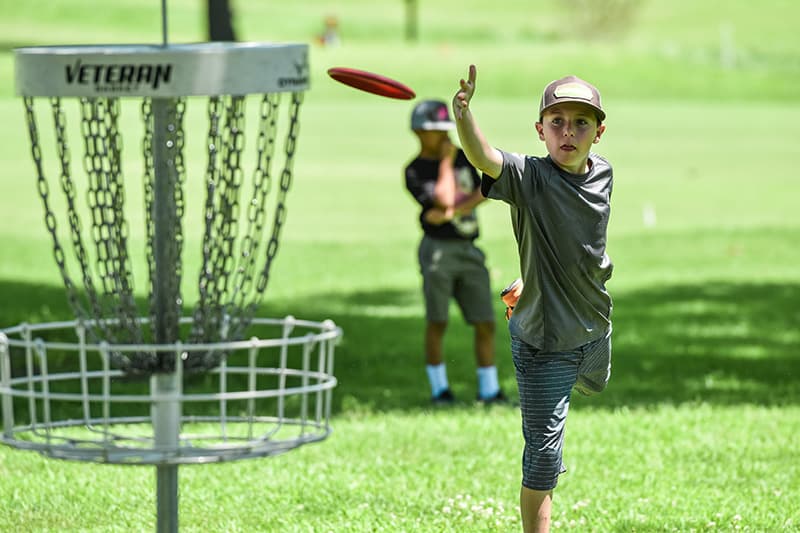
Disc golf has one of the clearest on-ramps in sports: take a flying disc, aim at a target, and try to finish each hole in as few throws as possible. The PDGA’s beginner guide makes that simplicity the point, presenting the sport as a healthy, inexpensive activity that can work for newcomers, families and casual athletes alike.
That appeal goes beyond convenience. The guide describes disc golf as a way to build upper- and lower-body strength, get aerobic exercise and stay mentally engaged, all without asking a first-timer to arrive in peak shape. It is a sport that lets you start slowly and add fitness over time, which is a big reason it has spread so widely and stayed welcoming to players who are curious but not yet committed.
How the game actually works
At its core, disc golf mirrors traditional golf in structure even if the equipment looks completely different. Instead of clubs and balls, players throw a disc toward a target, usually an elevated metal basket, and the score on each hole is simply the total number of throws it takes to finish.
A round moves from tee to basket, hole after hole, with the same basic objective every time: reach the target efficiently. The guide stresses that the game does not require a large gear bag or a complicated rulebook to get moving. One disc is enough to understand the rhythm of play, and the basket gives the newcomer a clear visual target from the first throw.
The first rules beginners actually need
For a new player, disc golf’s etiquette is refreshingly manageable. The most important group-play rule is easy to remember: the farthest player from the basket throws first. That keeps a group moving and avoids confusion once everyone is on the fairway.
The rest of the early learning curve is mostly about flow. You throw from the tee, watch where the disc lands, take your next shot, and continue until the basket is finished. Because the sport is built around a few repeating actions, the first round can feel intuitive even before the scoring starts to make sense. That low-stress structure is part of why the PDGA guide works so well for first-timers.
Why disc golf keeps growing
The sport’s modern form dates to the 1970s, when it was formalized into the version players now recognize. Since then, it has developed into a broad and organized recreational scene, with the PDGA sanctioning thousands of events every year.
That scale helps explain why disc golf is no longer just a backyard curiosity. The guide says millions of Americans have tried it, and it points to a large, active player base around the world. Even with that growth, the sport has held onto the feeling that anyone can step in, learn the basics quickly and get through a round without needing years of preparation.
A sport with room for every age
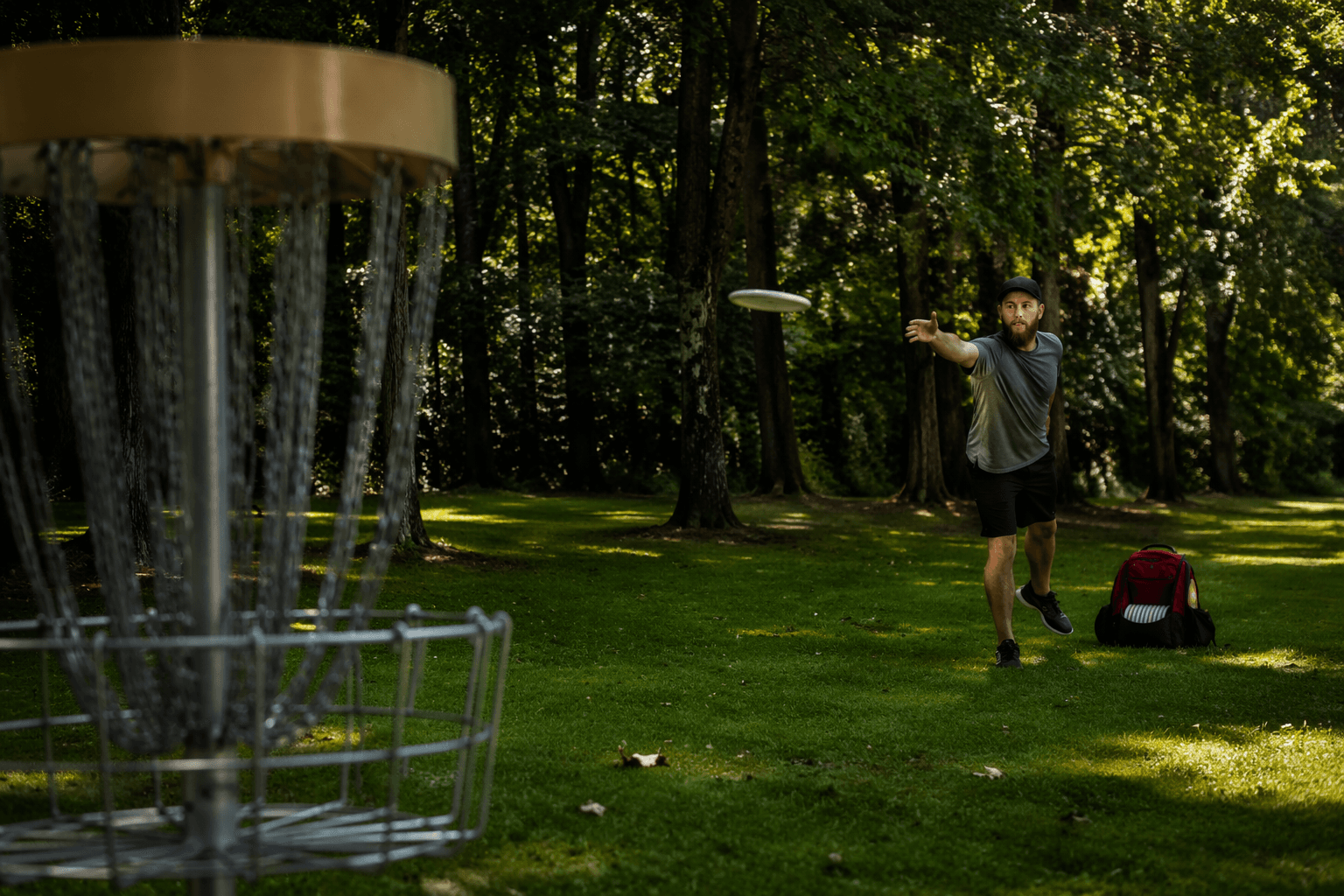
One of the strongest signals of disc golf’s inclusiveness is how wide its competitive structure runs. At the PDGA world championships, divisions stretch from under 8 to over 80, a range that tells you this is not a game built around one body type or one stage of life.
That matters for beginners because it removes a lot of the self-consciousness that can keep people away from organized sport. You do not have to be fast, tall or especially strong to enjoy a first round. The game accommodates different ages and abilities, which is one reason it has become a reliable entry point for people who want a sport that can grow with them.
How to approach a first round without feeling out of place
The easiest way to start is to treat disc golf like a walk through a park with a scorecard attached. The guide notes that rounds often take less time than golf, and many public park courses are free to play, so the first outing does not have to turn into a major outing or a major expense.
- Bring one disc and learn how it flies before worrying about a full set.
- Look for a public park course, since many are free to use.
- Follow the tee-to-basket flow one hole at a time.
- Remember that the farthest player throws first in group play.
- Focus on finishing the hole, not on perfect shots.
A first round becomes much easier when you keep the equipment and expectations simple:
That practical approach fits the sport’s biggest strength. Disc golf is built to be picked up quickly, and the beginner guide leans into that reality by showing that the game works best when it feels approachable from the start.
Why the beginner guide still matters
The PDGA’s guide remains useful because it explains disc golf in plain language and does not overcomplicate the entry point. It shows a sport that is inexpensive, easy to learn and flexible enough to welcome both casual players and people looking for a more regular physical routine.
That combination is the reason disc golf keeps drawing first-timers in. A basket, a disc and a public course are enough to begin, and once the basic rhythm of tee, throw and score clicks into place, the rest of the sport opens up naturally.
This article was produced by Prism’s automated news system from verified source data, official records, and press releases, then run through automated quality and moderation checks before publishing. The system is built and supervised by the people who set the standards it runs under. Read our full AI policy.
Did this article answer your question?