PDGA match play rules turn disc golf into hole-by-hole battles
Match play turns disc golf into a hole-by-hole duel, where concessions, tee order, and pressure change every decision and make aggression smarter than in stroke play.
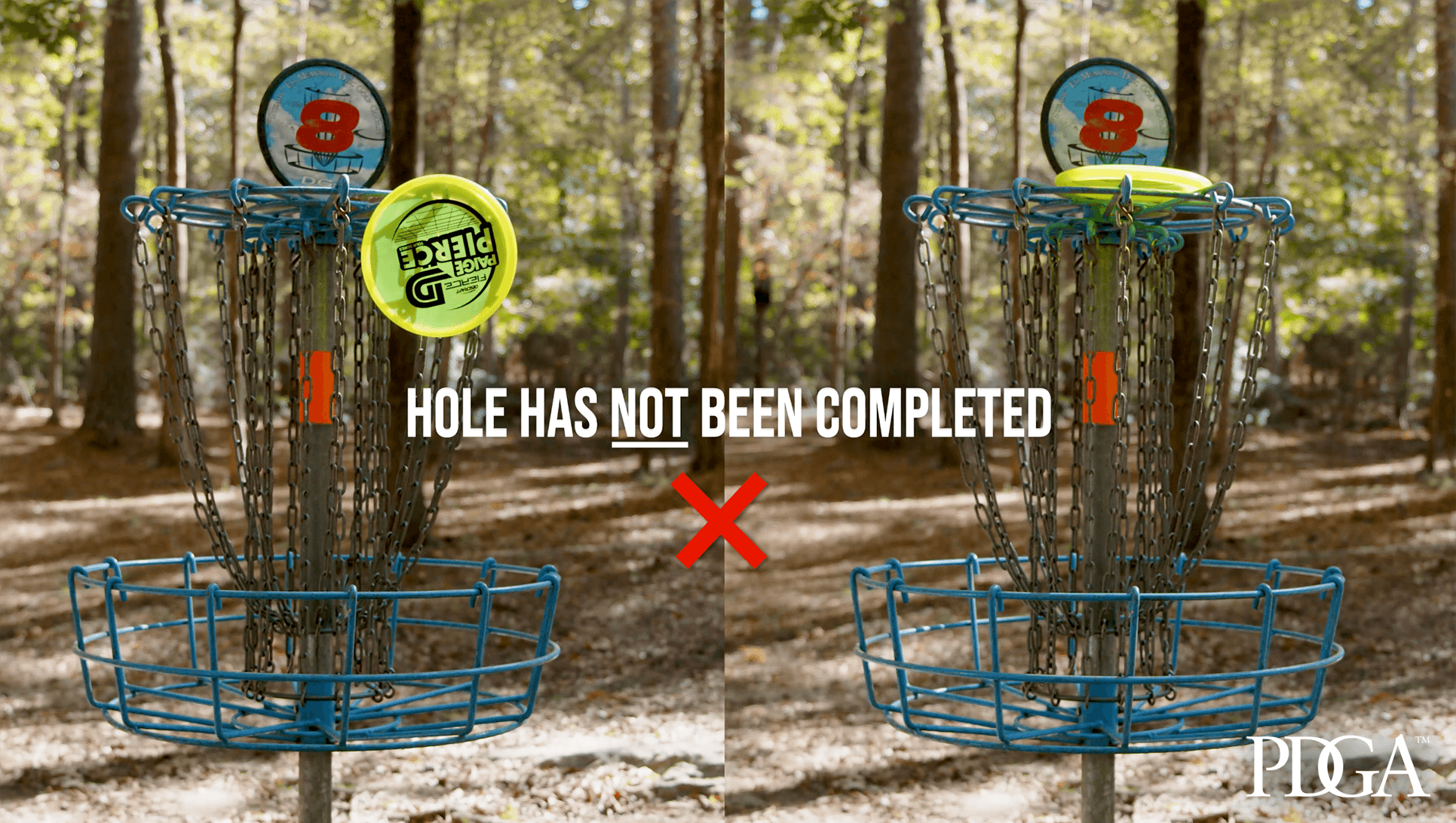
Match play strips disc golf down to its sharpest question: who wins the next hole? Instead of protecting a 18-hole total, two players are fighting for each point one tee shot at a time, which changes everything from how hard they attack the basket to when they lay up and when they force a putt. The result is a format that feels faster, more personal, and far more tactical than stroke play.
How match play rewires the round
In PDGA match play, a pair of players competes to win each hole during the round, and the player who wins more holes wins the match. The round starts all square, then each hole shifts the score by a single hole: win one, go up one; halve one, stay even; lose one, drop one. A halved hole is marked with no point at all, while a lost hole is shown with a dash, which keeps the scoreboard focused on the duel rather than the raw number of throws.
That simple scoring change explains why match play feels so different from stroke play. In medal play, a safe pitch-out after a bad drive is often the smartest move because every throw matters to the total. In match play, the same player may decide that a bailout only delays the inevitable if the opponent is already parked, so the smarter choice can be a bold run, a forced angle, or a desperate birdie attempt that would never make sense in a stroke-count race.
The rulebook still runs the show
The Professional Disc Golf Association says its online Official Rules of Disc Golf and Competition Manual on PDGA.com are the authoritative versions, and major revisions are generally published effective January 1 each year. The match-play appendix was last updated on Thursday, April 9, 2026, which matters because match play keeps the standard rules in place unless the appendix specifically overrides them.
That means the format still lives inside disc golf’s self-officiated culture. A pair of opponents plays in a group with at least one other pair or an official, teeing order on the first hole follows the scorecard, and on later holes the previous hole’s winner tees first. Penalties and warnings assessed between holes carry over to the next hole, so momentum is not just emotional, it is procedural.
Why tee order and concessions matter so much
Match play rewards control of the next tee box as much as control of the current hole. The winner of the previous hole gets the first throw on the next one, so a single birdie does more than add a point, it also gives the player the opening move. In stroke play, tee order is usually just logistics; in match play, it is a tactical advantage that can shape the rhythm of the entire back nine.
The concession rules sharpen that pressure even further. A player may concede a hole, concede a match, or concede an opponent’s next throw, and those concessions cannot be declined or withdrawn. If a player can no longer win or halve a hole, that player is done with the hole, and any extra throws become practice throws that add a penalty on the next hole. In stroke play, a player often keeps grinding because every stroke can affect the card; in match play, the hole can be dead early, which creates a different kind of psychological strain and a very different sense of urgency.
The match ends as soon as one player is up more holes than remain, so a comeback can disappear before all 18 holes are played. If the players finish all square, the match is tied unless the tournament director has set a tiebreak procedure. That makes closing holes feel more like late-inning baseball than a full-round accumulation, because the pressure comes from the scoreboard in front of you, not from a cumulative final total.

Stroke play versus match play on the same shot
The same lie can call for two different minds. In stroke play, a player trailing by a few strokes may still prefer the lowest-risk shot available, because one bad swing can erase several good holes. In match play, the opponent’s score can change the correct play immediately: if the rival just bogeyed, a conservative par might be enough to win the hole, while a birdie run that risks a double bogey can be reckless if the hole is already secured.
That is why match play tends to produce more visible swings. UDisc describes it as a spin-off of traditional disc golf in which players earn points by beating each other on individual holes rather than tallying stroke totals, and notes that the altered risk-reward dynamics often push players into shots they would only try in desperate situations. For spectators, that means more aggressive lines, more dramatic make-or-break putts, and more holes decided by pressure rather than by spreadsheet logic.
A format with deep roots in the sport
Match play is not a novelty that appeared after disc golf got professional polish. The PDGA’s rules history page says the first known disc golf rules were from 1982, rediscovered in notes kept in the files of founder Steady Ed Headrick, and that the 1986 update was the first published rulebook provided to PDGA members. Match play fits that early culture because it preserves the sport’s direct, informal feel while still giving the round a strict structure.
The PDGA also has a clear record of competitive match play at the event level. Its tournament records show a PDGA Match Play Championships event in Novato, California, from April 1 to April 3, 2005. PDGA coverage from 2011 also described The Player’s Cup in Austin, Texas as a six-round match play championship with 64 of the world’s best players, a reminder that the format has long been used for high-end competition rather than just side games.
Why the format still matters on the pro calendar
Match play keeps returning because it packages disc golf in a way the audience understands instantly. The Disc Golf Pro Tour’s Match Play Championship presented by Pound had a PDGA event page in Charlotte, North Carolina, with $92,000 listed in prize money and live results posted for Friday, November 7, 2025. That kind of standalone placement shows the format still has commercial pull, especially when organizers want a championship that feels distinct from the standard cumulative-score grind.
It also gives the sport a cleaner dramatic arc. Every hole is a verdict, every tee shot can swing the match, and every missed putt can change not just the score but the psychology of the next tee. Match play does not replace stroke play in disc golf, but it exposes a different layer of the game, where shot selection, risk tolerance, and concession pressure matter as much as pure scoring.
This article was produced by Prism’s automated news system from verified source data, official records, and press releases, then run through automated quality and moderation checks before publishing. The system is built and supervised by the people who set the standards it runs under. Read our full AI policy.
Did this article answer your question?