PDGA seeks medical volunteers to shape player safety worldwide
The PDGA is recruiting medical, counseling and psychology professionals to advise on player safety, with a global footprint that already spans 52 affiliated countries.

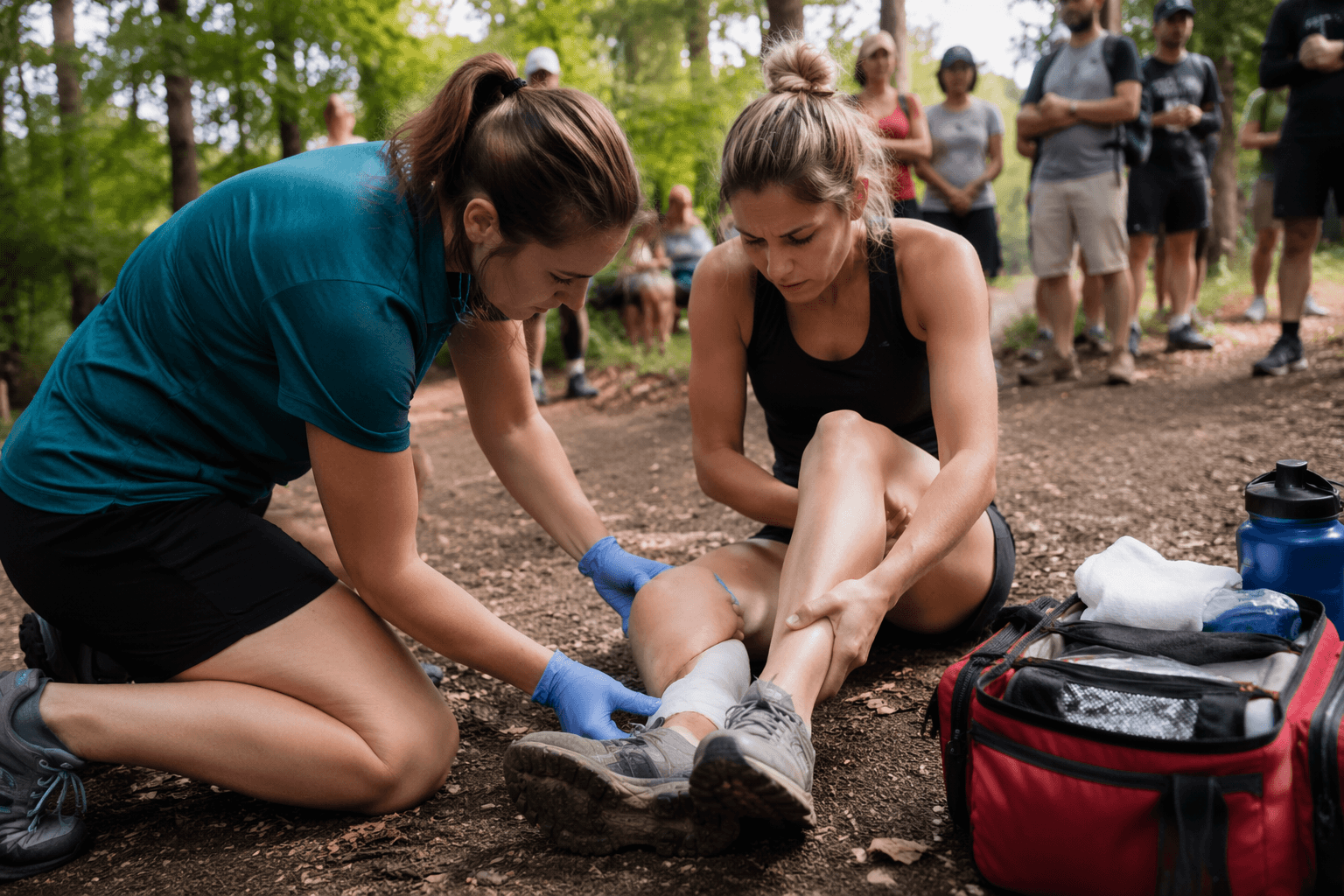
The Professional Disc Golf Association is widening its Medical Committee search, and the ask says a lot about where the sport is headed. The group is looking for volunteers with medical, counseling and psychological backgrounds to help shape health policy for players, including advice on standards of medical access at PDGA-sanctioned events, player-health initiatives and mental-health resources for members on the road.
The most telling detail is that the invitation is not aimed only at the United States. The committee is specifically seeking people who can advise on national policies and practice for jurisdictions outside the U.S., a sign that disc golf’s safety framework is being built for a sport that now operates across far more borders, time zones and tournament schedules than it did even a few years ago. As the calendar has spread through Europe, eastern Asia, Oceania, Latin America and Africa, the pressure on the PDGA to professionalize player care has grown with it.
That international scale is already visible in the numbers. The PDGA said its International Program began in 2005 and, in 2024, included 52 affiliated countries, more than 2,700 courses, about 24,800 current members and 2,200 sanctioned PDGA Tour events outside the United States and Canada. The association says it partners with national disc golf and disc sports associations in 50 affiliated countries, while its membership materials say it organizes and manages 10,000-plus competitive events worldwide and serves 108,000-plus active members. The translated-rules archive backs that up, with Official Rules of Disc Golf and Competition Manual editions in Czech, Slovak, Hebrew, Lithuanian, Dutch, Korean, French, Ukrainian, Slovenian, Italian, Tagalog/Filipino, Spanish, German, Mandarin Chinese, Icelandic, Latvian, Finnish, Japanese and Amharic.
The committee’s mandate goes beyond finding someone to stand near an athletic trainer’s table. By asking for professionals who understand counseling and psychology, the PDGA is signaling that player safety now includes stress, fatigue, travel strain and mental-health support, not just treatment after a sprain or a bad fall. That broader lens could eventually influence how the association thinks about concussion protocols, injury recovery, heat illness and return-to-play standards at both the amateur and pro levels.
This is not the PDGA’s first move in that direction. A 2018 announcement said the Medical Committee would advise the board and staff on player health and well-being, with qualified candidates including doctors, nurses, therapists, clinicians and scientists, along with specialties such as sports medicine, pediatrics, geriatrics, endocrinology and knowledge of international issues. The association also has a Reasonable Modification Request policy that says it does not discriminate on the basis of disability and will consider requests case by case for sanctioned events. Put together, the new volunteer push looks less like a routine staffing note and more like another step in disc golf’s shift from volunteer-heavy growth to a more formal player-safety system.
This article was produced by Prism’s automated news system from verified source data, official records, and press releases, then run through automated quality and moderation checks before publishing. The system is built and supervised by the people who set the standards it runs under. Read our full AI policy.
Did this article answer your question?