Rwanda launches first disc golf course in Kigali wetland park
Kigali’s Nyandungu Eco-Park opened Rwanda’s first disc golf course, a 9-hole beginner layout priced at $1 for residents and built for families.
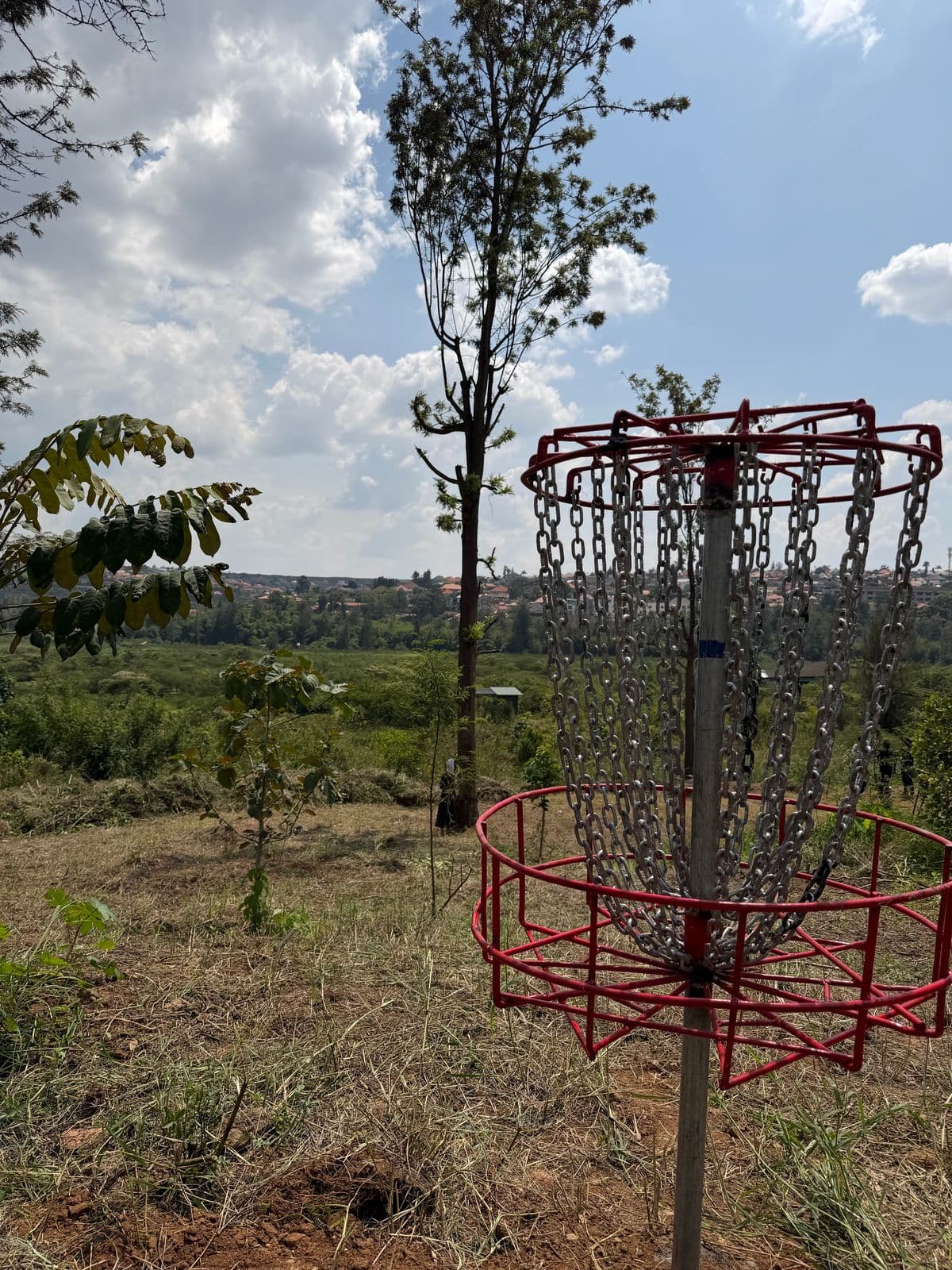
Kigali’s Nyandungu Eco-Park opened Rwanda’s first disc golf course, turning a restored wetland into a new entry point for a sport that has grown by leaning on open space, low cost and easy access. The 9-hole layout was unveiled on Sunday, June 7, through a partnership between Nyandungu Eco-Park and the Paul McBeth Foundation, with the course designed by 2009 Disc Golf World Champion Avery Jenkins.
The course was built to be approachable from the first throw. UDisc lists it as beginner-friendly, with concrete tees, Uganda-made basket targets, an estimated round of about 35 minutes and a total length of 0.6 miles. It is also priced to welcome first-timers: $1 for Rwandan residents, $2 for African residents and $20 for tourists. For players new to disc golf, that makes the barrier to entry far lower than a traditional club sport, while still leaving room for experienced players to work on short-game touch and placement.

That positioning matters in a city where Nyandungu already functions as more than a park. The 121-hectare site, located between Kicukiro and Masoro-Bumbogo hill, is Kigali’s first restored urban wetland and eco-tourism park. It was officially inaugurated on July 18, 2022 by Prime Minister Edouard Ngirente and former Ethiopian Prime Minister Hailemariam Desalegn, and the park’s stated goals include biodiversity recovery, flood reduction, improved air and water quality and green employment. The park’s official hours run from 6 a.m. to 6 p.m. seven days a week, while the disc golf course is listed separately with play available from 6 a.m. to 10 p.m.

For disc golf, the Kigali opening offers a notable template. A course in a public eco-park can attract children, families and casual visitors before it ever asks them to think like tournament players. Nyandungu’s growing audience helps the case: a 2026 report said the park drew more than 110,000 visitors in 2025, while bird species rose from 83 in 2023 to 158 and plant species from 260 to 523. In that setting, disc golf looks less like a niche import and more like a practical add-on to a park already built around recreation, conservation and tourism.
That combination of low-cost access, short play time and a high-visibility public setting could make Kigali a useful model for other emerging markets. If the course draws steady traffic, it may show how disc golf can expand fastest not through private clubs, but through parks where beginners can walk in, pick up a disc and keep coming back.
This article was produced by Prism’s automated news system from verified source data, official records, and press releases, then run through automated quality and moderation checks before publishing. The system is built and supervised by the people who set the standards it runs under. Read our full AI policy.
Did this article answer your question?