USJDGC returns to Smugglers’ Notch as juniors chase a new Major
Smugglers’ Notch gets the USJDGC again, and the move signals more than nostalgia: junior disc golf is being built as a true Major pipeline.
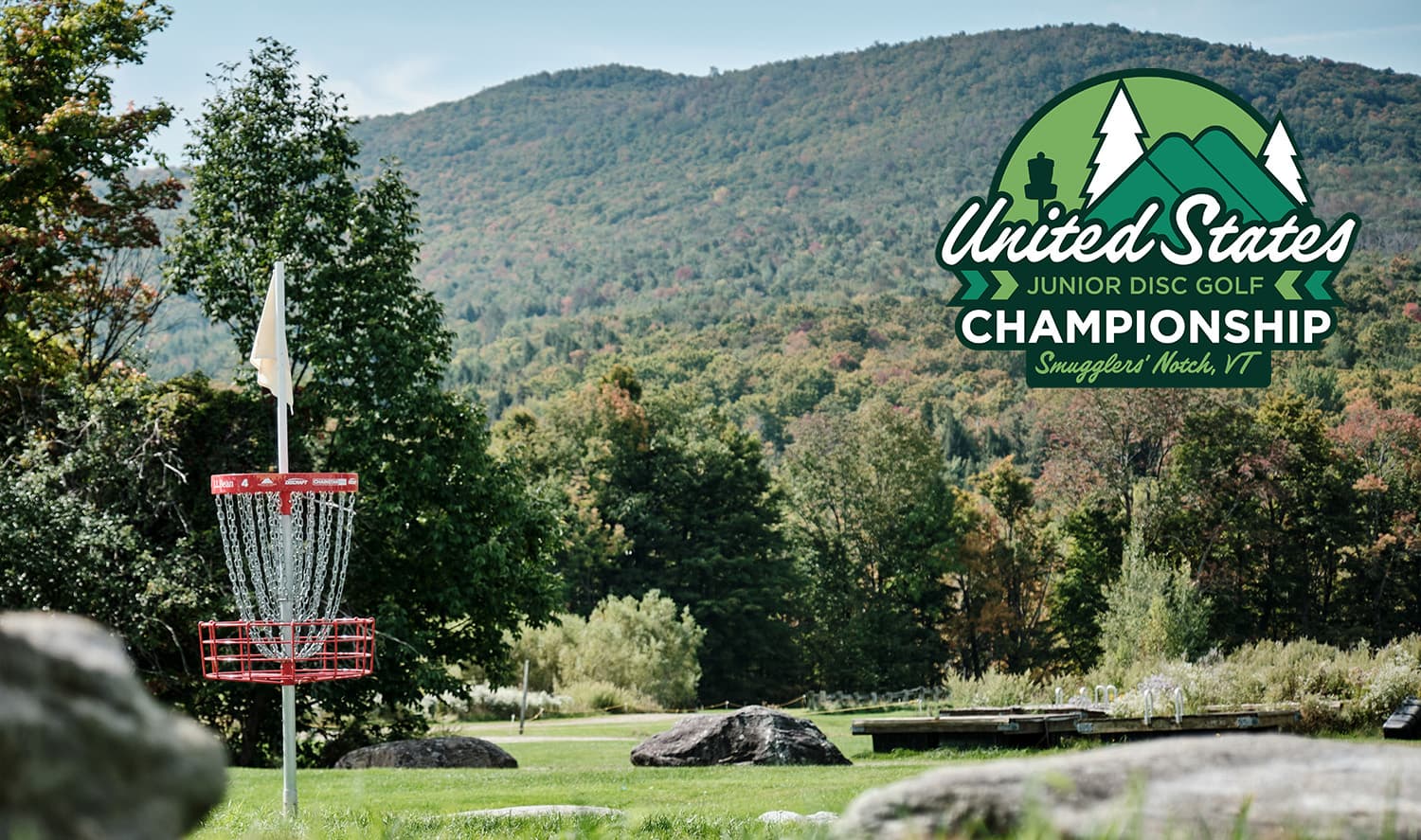
Registration is open for the July return of the United States Junior Disc Golf Championship, and the location choice is the point. Smugglers’ Notch is not just hosting another youth event, it is once again putting junior disc golf on a stage that already carries real weight in the sport.
The message behind the move is bigger than one tournament weekend. The championship is being framed as part of a push to create a new Major for the next generation, which is exactly how serious player pipelines are built in disc golf. If the sport wants the next wave of elite talent to grow up inside meaningful pressure, it needs events that feel important before a player ever signs a touring contract.

Why Smugglers’ Notch matters
Smugglers’ Notch Resort is already one of disc golf’s landmark venues, and that history is what gives this return so much force. The resort has hosted more than ten PDGA Majors and DGPT events, including two Pro Worlds, one Pro Masters Worlds, and the original launch of the USJDGC in 2018. That is not background noise. That is a record of trust from the sport’s top organizers.
For junior players, venue reputation changes the emotional math of a tournament. A course or resort that has already seen the sport’s biggest stages tells young players that what they are chasing actually matters. For families and coaches, that matters too, because it turns a youth event from a routine stop into an early lesson in what championship disc golf looks and feels like.
There is also a practical angle. A venue that has already handled major championships has proven it can support the demands that come with them, from competition flow to the scale of attention that follows a marquee event. That is part of why the return to Smugglers’ Notch carries so much credibility. The site is not being used to decorate the event. The event is being strengthened by the site.
A real Major for juniors, not a soft landing
The clearest shift here is how the championship is being positioned. With support from both the Disc Golf Pro Tour and the PDGA, the USJDGC is being treated as a serious championship opportunity, not just a development weekend with scorecards attached. That distinction matters because junior majors are often the first time players experience the full emotional load of elite competition.
The best young players do not simply need reps. They need stakes. A major-caliber junior event can reveal who handles pressure, who manages a rough opening stretch, and who can stay aggressive without falling apart when the leaderboard tightens. Those are the same traits that matter later on tour, which is why junior majors function as early indicators of future elite talent.
That is the real pipeline angle. A strong junior championship does not just crown a winner for a weekend. It helps identify which players already process competition like pros, which players are still learning how to close, and which ones have the ceiling to keep rising. If the sport wants a healthier future, it needs more places where that kind of information becomes visible early.
What families should make of the return
For families, Smugglers’ Notch offers something rare in junior disc golf: a prestigious setting that is still positioned as welcoming. Those two ideas do not always coexist, but this event is trying to make them work together. The championship gives young players the feeling that they are stepping into something significant without stripping away the developmental purpose that brought them there.
That balance matters because a junior major can shape how a player understands the sport. If the venue feels legitimate, the event can inspire confidence and ambition. If the structure also feels accessible, it gives parents and guardians a clearer sense that the sport is investing in the player, not just in the result. That combination is one reason the USJDGC can serve as more than a trophy chase.
A few takeaways stand out for families and coaches:
- The event is tied to an established championship venue, which adds credibility and visibility.
- Registration is open for the July tournament, so the path into the field is active now.
- The championship is being built with major-event intent, which means the competitive environment should feel serious from the first tee.
- The setting connects junior play to the broader disc golf ecosystem, giving younger players a clearer picture of where they fit in the sport’s long-term structure.
A recognizable home for the next generation
The return to Smugglers’ Notch also solves a problem the sport often creates for itself: too many youth events feel isolated from the main competitive conversation. By placing the USJDGC back at a venue with national name recognition, the PDGA is giving juniors a home that already belongs in disc golf’s larger story. That makes the championship easier to explain to newcomers and easier to value for the people who are already deep in the game.
It also creates continuity. The original launch of the USJDGC at Smugglers’ Notch in 2018 gave the event a foundation, and bringing it back now suggests the sport wants to build on that rather than start over somewhere else. Continuity matters in youth development because players, parents, and coaches respond to familiar, respected stages. When a junior event has a recognizable identity, it can become a destination instead of just another date on the calendar.
That is why this return matters beyond one trophy and one July field. Smugglers’ Notch gives the USJDGC a proven stage, but the larger story is about constructing a genuine ladder for young talent. The players teeing off here are not just competing for a title. They are entering the kind of environment where future elite disc golf starts to separate itself from promise and become something much more concrete.
This article was produced by Prism’s automated news system from verified source data, official records, and press releases, then run through automated quality and moderation checks before publishing. The system is built and supervised by the people who set the standards it runs under. Read our full AI policy.
Did this article answer your question?