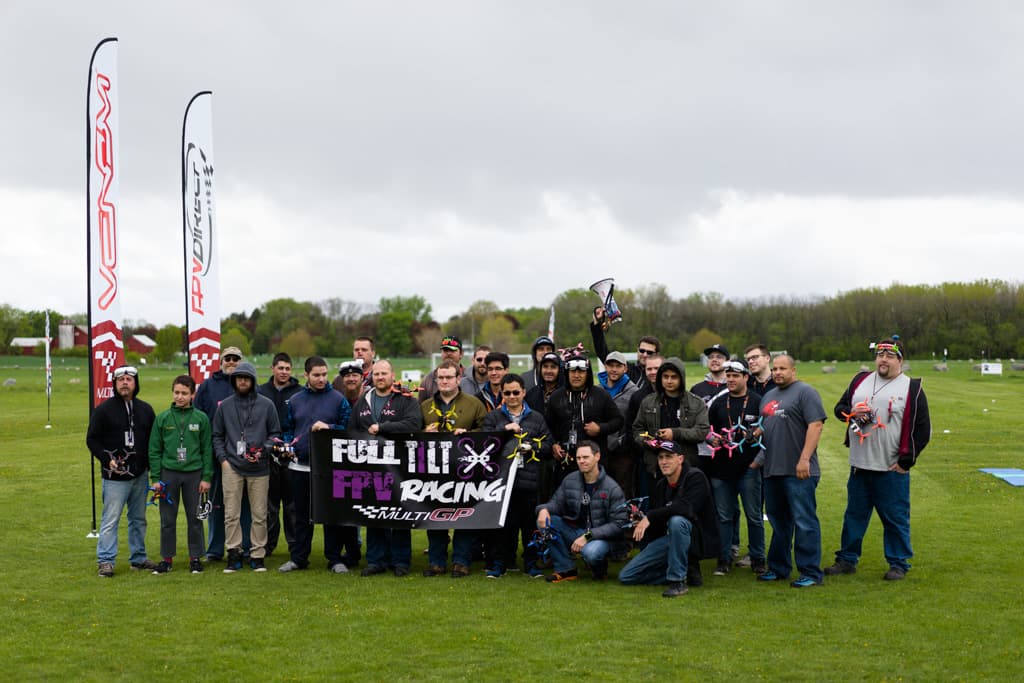
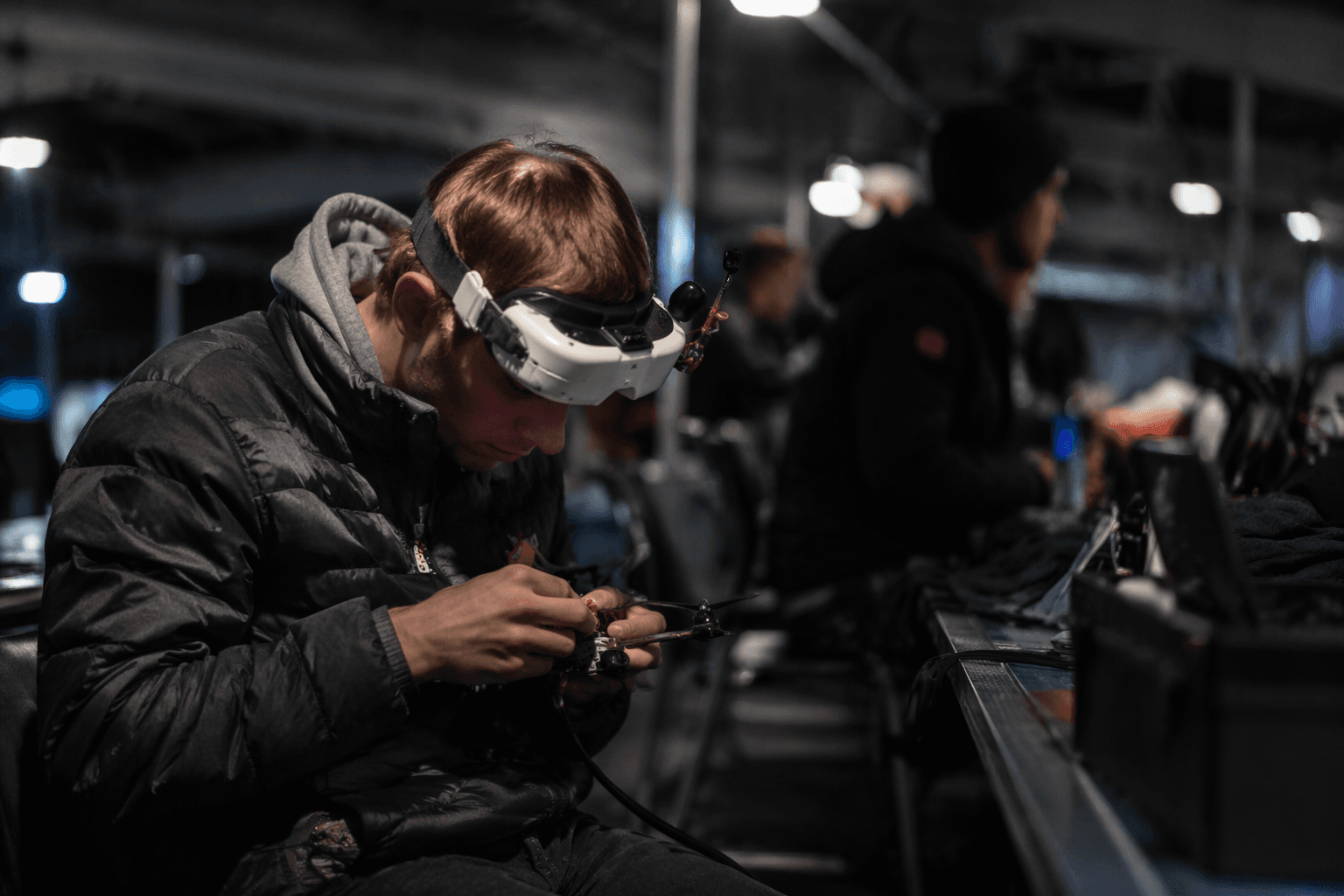
ADK Battlelab blends FPV racing with tactical drone demos in Lewis
FPV laps and tactical drone missions met in Lewis as ADK Battlelab turned a race week into a defense-tech showcase.
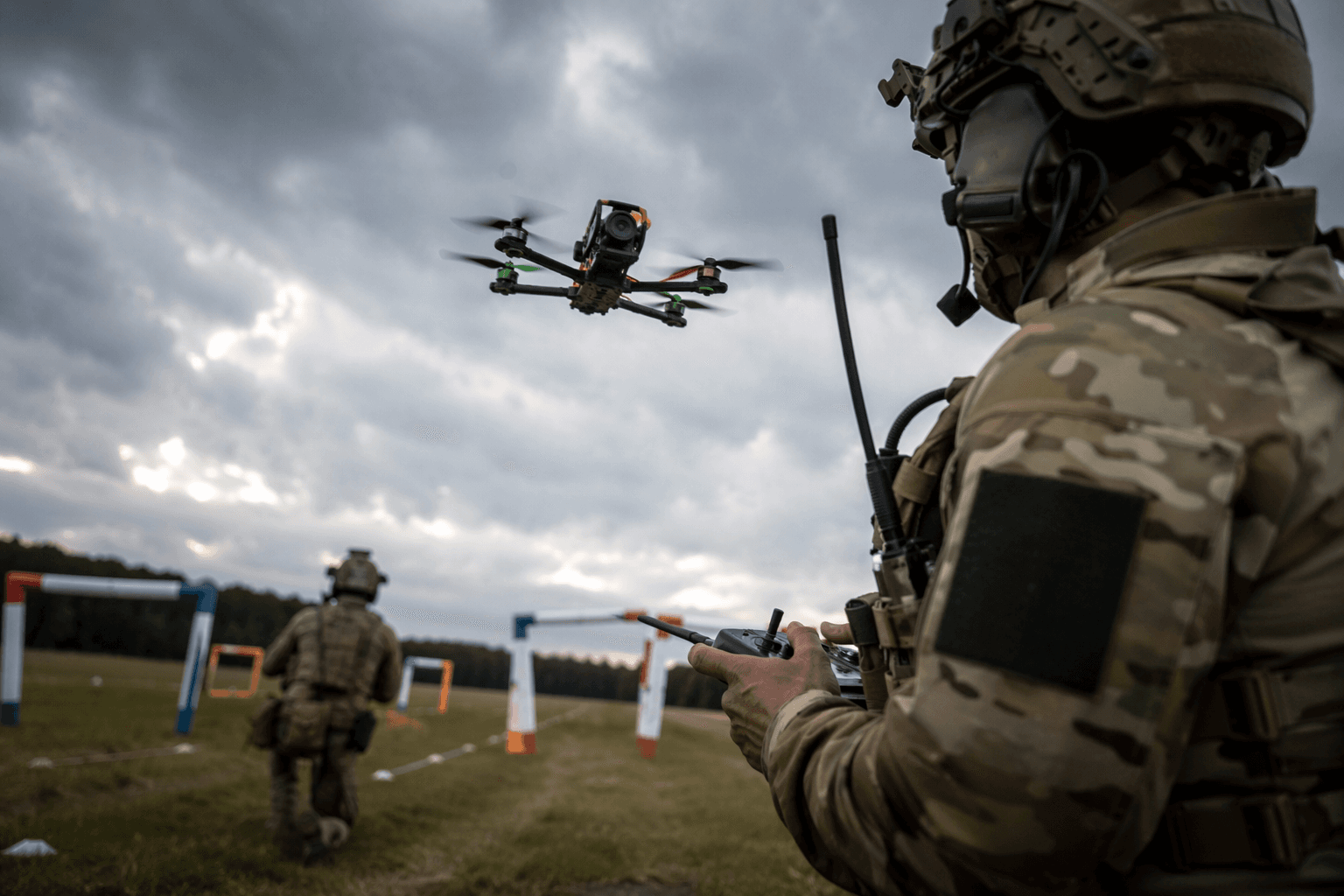
ADK Battlelab made Lewis more than a stop on the FPV calendar. Its Drone Operations Week 2026 brought open-class drone racing, tactical drone missions and defense technology demonstrations into one capability-focused program in the Adirondacks, where speed on the sticks sat beside mission planning and live operational testing.
The event ran June 1-5 in Lewis, New York, a town in Essex County that was incorporated in 1805 and sits in the Adirondack Mountains. That setting gave the week an unusual edge: a rural North Country venue became the stage for an event built to test whether racing reflexes, aircraft handling and mission execution could all live in the same format. For the racing side, that mattered because the competitive value was no longer just a clean lap or a fast split, but whether pilots could stay precise when the program shifted from open-class heats to tactical scenarios.
Event materials framed the gathering as a place for industry participation and international military collaboration, which pushed it beyond a standard race meet. The mix suggested a working environment where FPV pilots, defense technologists and mission planners could compare control, speed and reliability in real time. In practical terms, that kind of crossover is exactly where FPV racing has been headed for years: the same fine motor skills that separate the quickest lap times also translate into mission flying, close-quarters maneuvering and rapid decision-making under pressure.
Operations were conducted under the authority of ADK Battlelab with appropriate FAA coordination, and a designated Range Safety Officer was on site for all flight operations. That safety structure mattered in a week that leaned so heavily into real-world drone use. The FAA’s Part 107 rules govern small unmanned aircraft systems weighing less than 55 pounds, and the agency has long described its role as working with industry and communities to integrate drones safely into the national airspace.
The bigger picture is clear. Drone racing leagues such as Drone Racing League and MultiGP have already helped professionalize FPV competition, but Lewis showed a different path for the sport, one that treats racing as part of a broader operational toolkit. If that model holds, future events may sell not just the thrill of the lap, but the value of proving that racing skill can carry straight into tactical and defense-adjacent drone work.
This article was produced by Prism’s automated news system from verified source data, official records, and press releases, then run through automated quality and moderation checks before publishing. The system is built and supervised by the people who set the standards it runs under. Read our full AI policy.
Know something we missed? Have a correction or additional information?
Submit a Tip