AI drone beats human pilots in landmark racing breakthrough
An AI drone beat human FPV pilots on a 3D racetrack, after Zurich's Swift had already beaten world champions and Abu Dhabi turned autonomy into live competition.
An AI-controlled racing drone beat human FPV pilots on an aerial racetrack, a result Robert J. Bunker highlighted as an overlooked AlphaGo moment with future-war implications. For drone racing, the more important detail is not the headline alone, but how quickly autonomy moved from a controlled lab problem to a live benchmark against elite human racecraft.
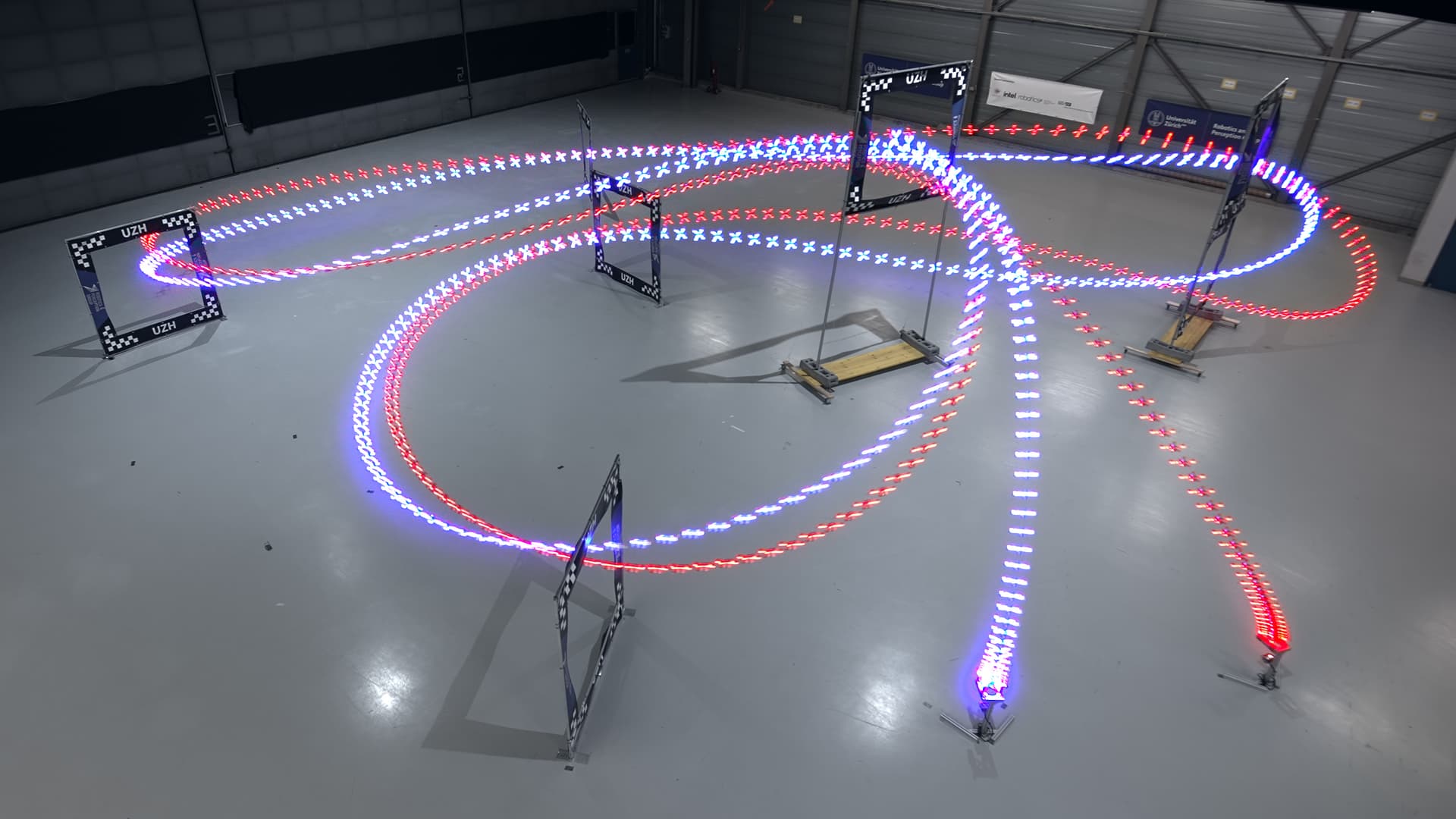
Nature published Champion-level drone racing using deep reinforcement learning on Aug. 30, 2023, with Elia Kaufmann, Leonard Bauersfeld, Antonio Loquercio, Matthias Müller, Vladlen Koltun and Davide Scaramuzza among the authors. The paper described FPV drone racing as a televised sport in which professional pilots fly high-speed quadrotors through a 3D circuit using an onboard camera feed. The University of Zurich’s Robotics and Perception Group, working with Intel Labs, developed Swift, an autonomous racing drone system that the university said beat human world champions.
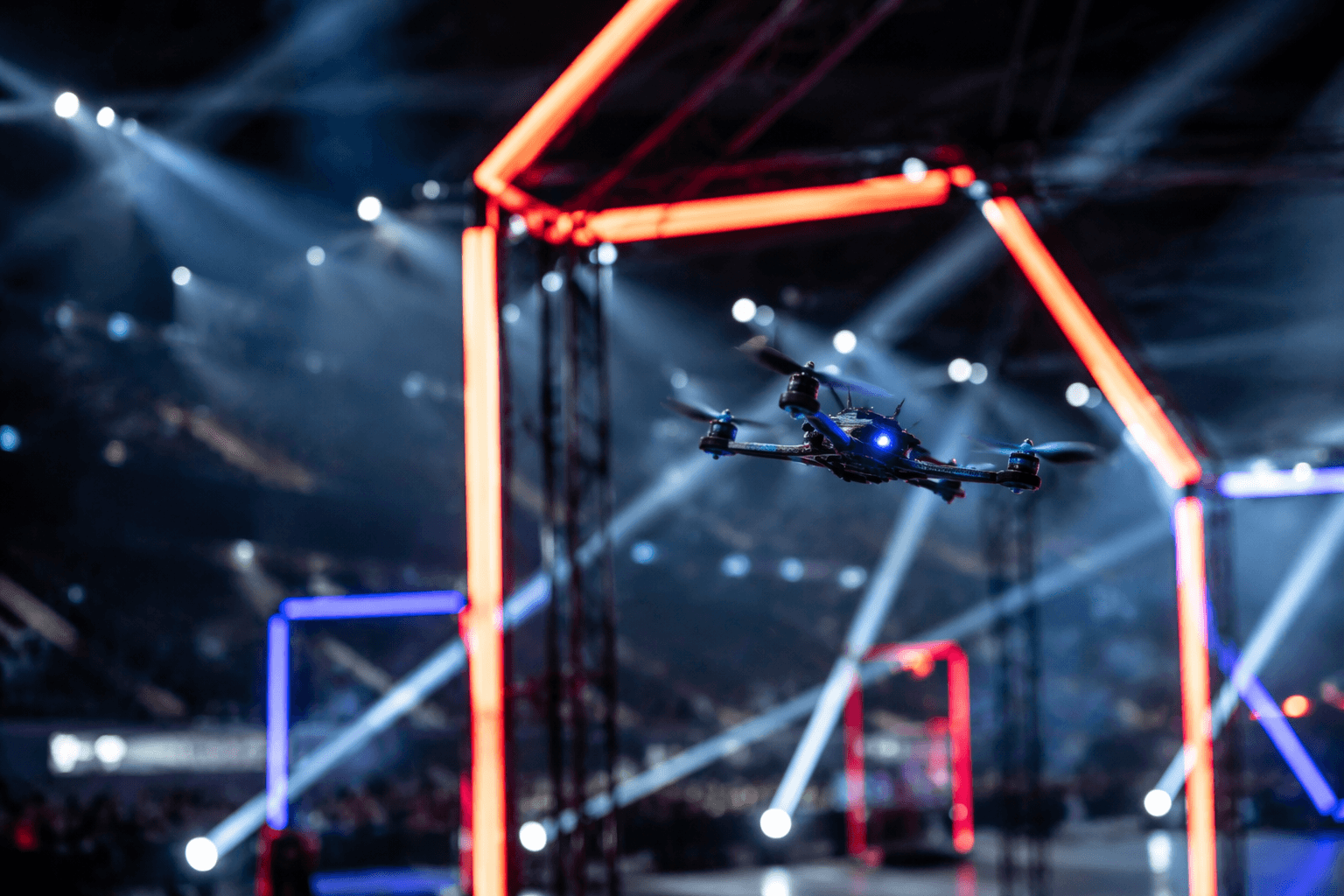
The technical hurdle is why the result landed so hard in the racing community. The University of Zurich group has said autonomous racing is difficult because it spans dynamics modeling, onboard perception, localization and mapping, all under the kind of split-second pressure that exposes small mistakes. In other words, the machine was not simply flying faster in a straight line. It was holding cleaner race lines, reacting faster to gate changes and avoiding the tiny errors that decide FPV laps.
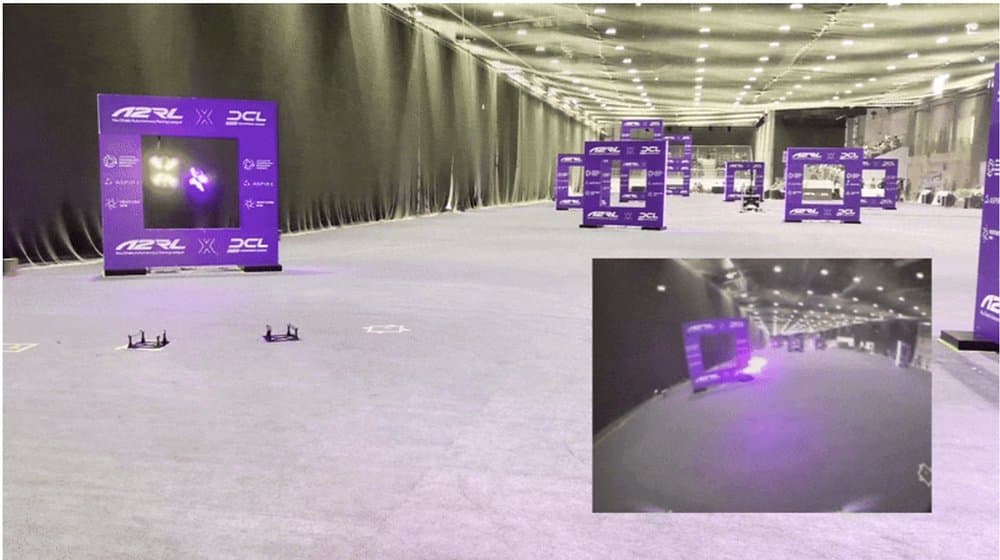
The move from paper to competition came later in Abu Dhabi, where TU Delft reported an autonomous drone defeating human champions at the A2RL Drone Championship. TII Racing’s autonomous drone posted a 12.032-second lap in the AI Speed Challenge, while MinChan Kim narrowly won a human-vs-AI final and MavLab claimed a separate one-on-one victory. That mix of results showed autonomy was no longer an isolated demo. It was showing up on the same track, in the same pressure, against the same standards that human pilots face.

For pilots, the practical takeaway is immediate. AI is already becoming a reference point for line consistency, throttle discipline, reaction time and error avoidance, the exact skills that separate a clean qualifier lap from an expensive crash. If these systems keep improving, they will not just be lab curiosities or military talking points. They will start shaping sim work, practice standards and the way future race formats measure elite performance.
This article was produced by Prism’s automated news system from verified source data, official records, and press releases, then run through automated quality and moderation checks before publishing. The system is built and supervised by the people who set the standards it runs under. Read our full AI policy.
Did this article answer your question?


