Changzhou drone race showcases China’s fast-growing FPV spectacle
116 pilots turned Changzhou’s Star Mach FPV base into a proving ground, showing China’s new drone-racing venue can host elite fields and bigger stakes.

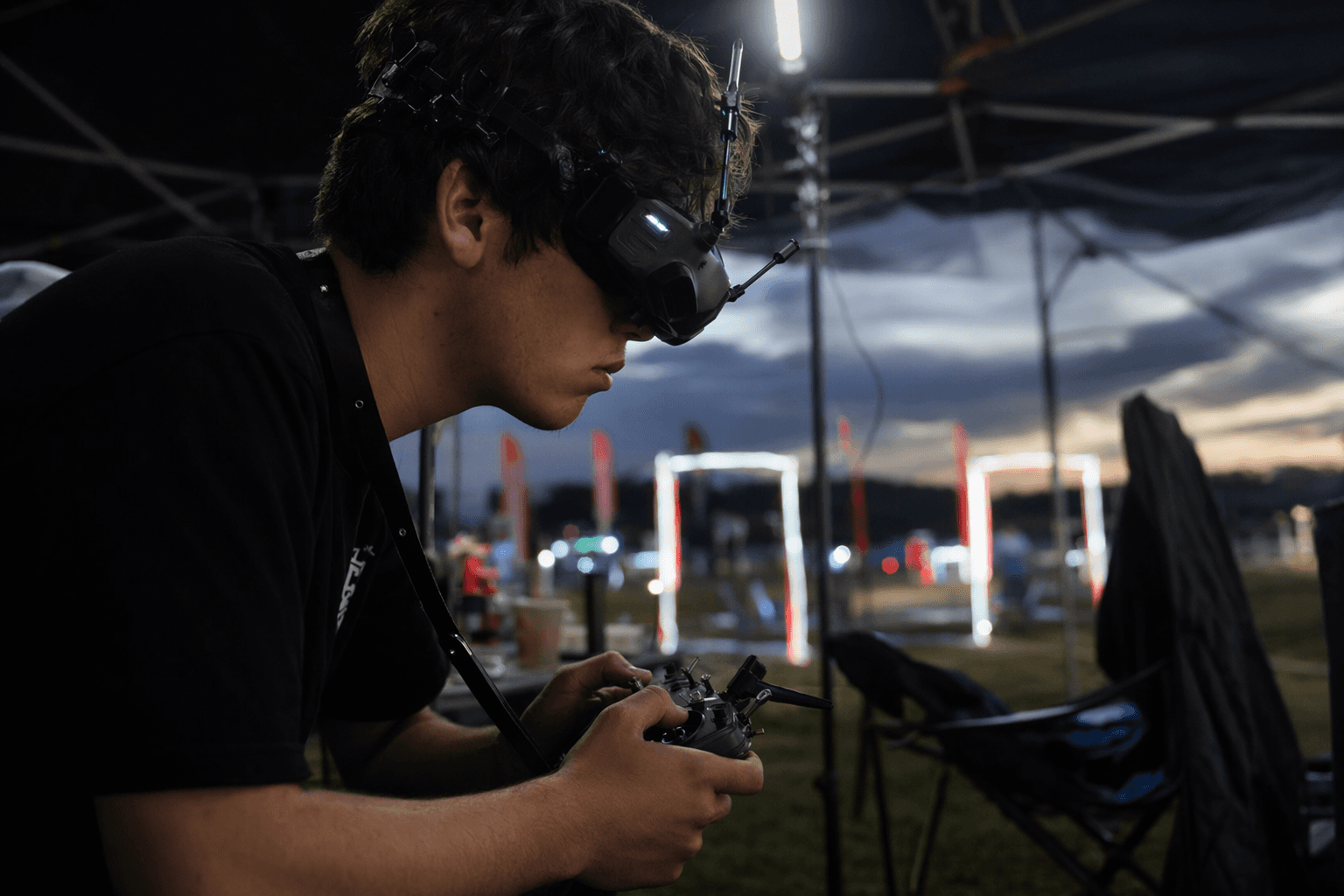
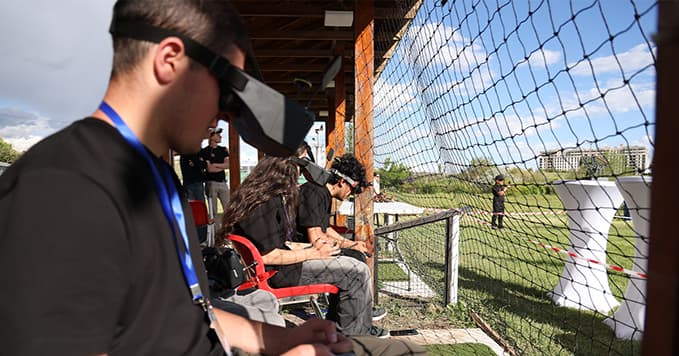
Changzhou’s 2026 Bǐyì Flight Drone Racing City Open offered more than a fast weekend of lap times. With 116 pilots from across China, including Hong Kong, and invited national-team riders on the grid for a May 16-17 “air F1” duel, the event gave the city’s new Star Mach FPV training base its clearest test yet as a race venue built for scale, legitimacy and championship-level ambition.
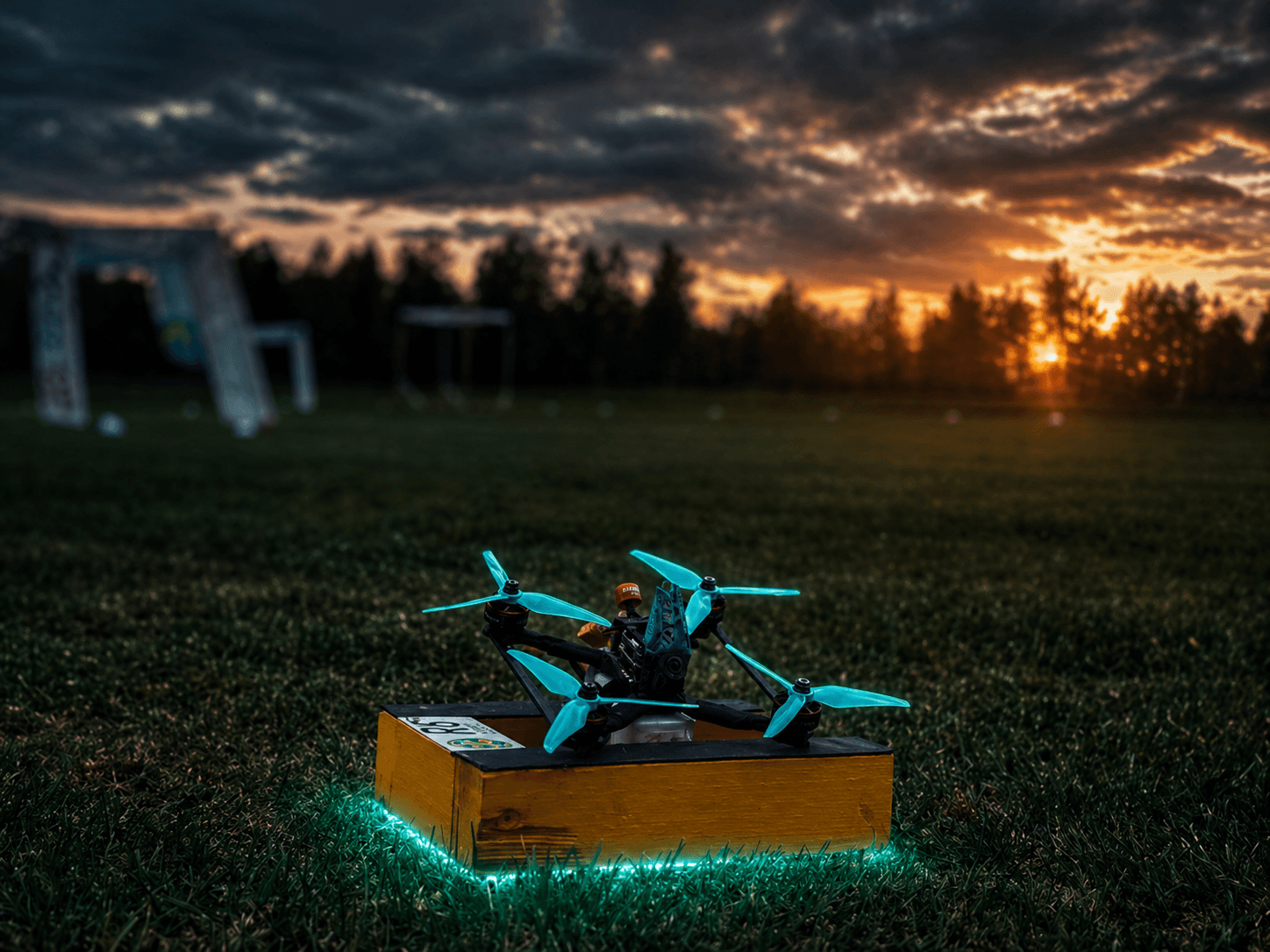
The setting mattered as much as the field. Star Mach FPV opened in February 2026 in Tianning Economic Development Zone and sits on 15 mu of land, including an 8,000-square-meter grass outdoor flying area. The complex was designed for organized competition, with standard gates, a reception hall, pilot rooms, a maintenance workshop, a simulator room and an indoor training tent. Officials said the course can be reconfigured with single gates, H-gates, I-gates, triple gates and gravity gates, a detail that gives organizers far more flexibility than a temporary race setup.
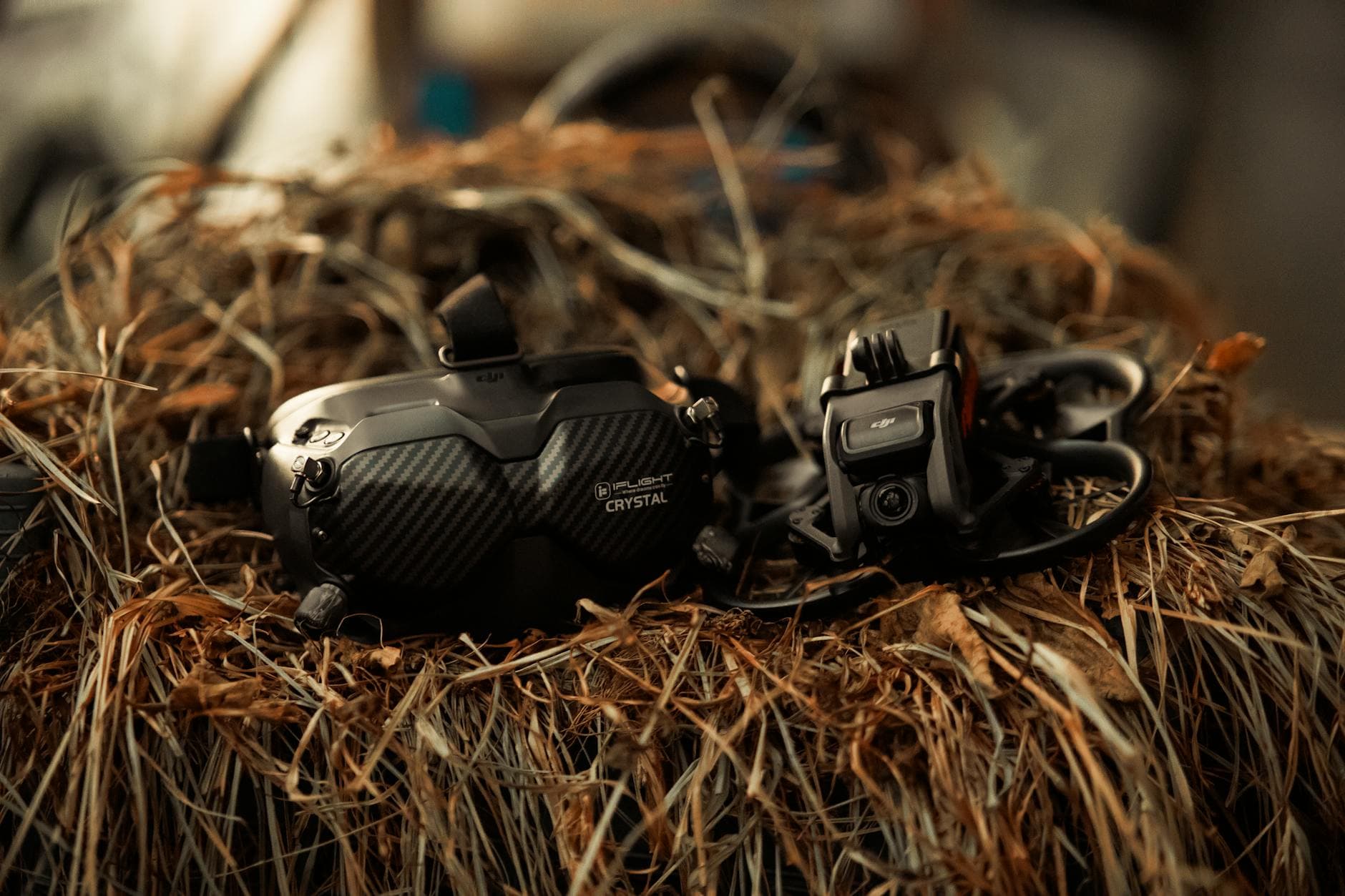
That flexibility is becoming a competitive edge. In FPV racing, drone speed is part of the show, and part of the danger: the craft can jump from 0 to 100 km/h in under a second and top 200 km/h, with pilots steering through goggles and first-person video feeds rather than line of sight. A venue that can safely stage that kind of machine performance, while also handling training and equipment testing, is what separates a hobby site from an event host with real national relevance.
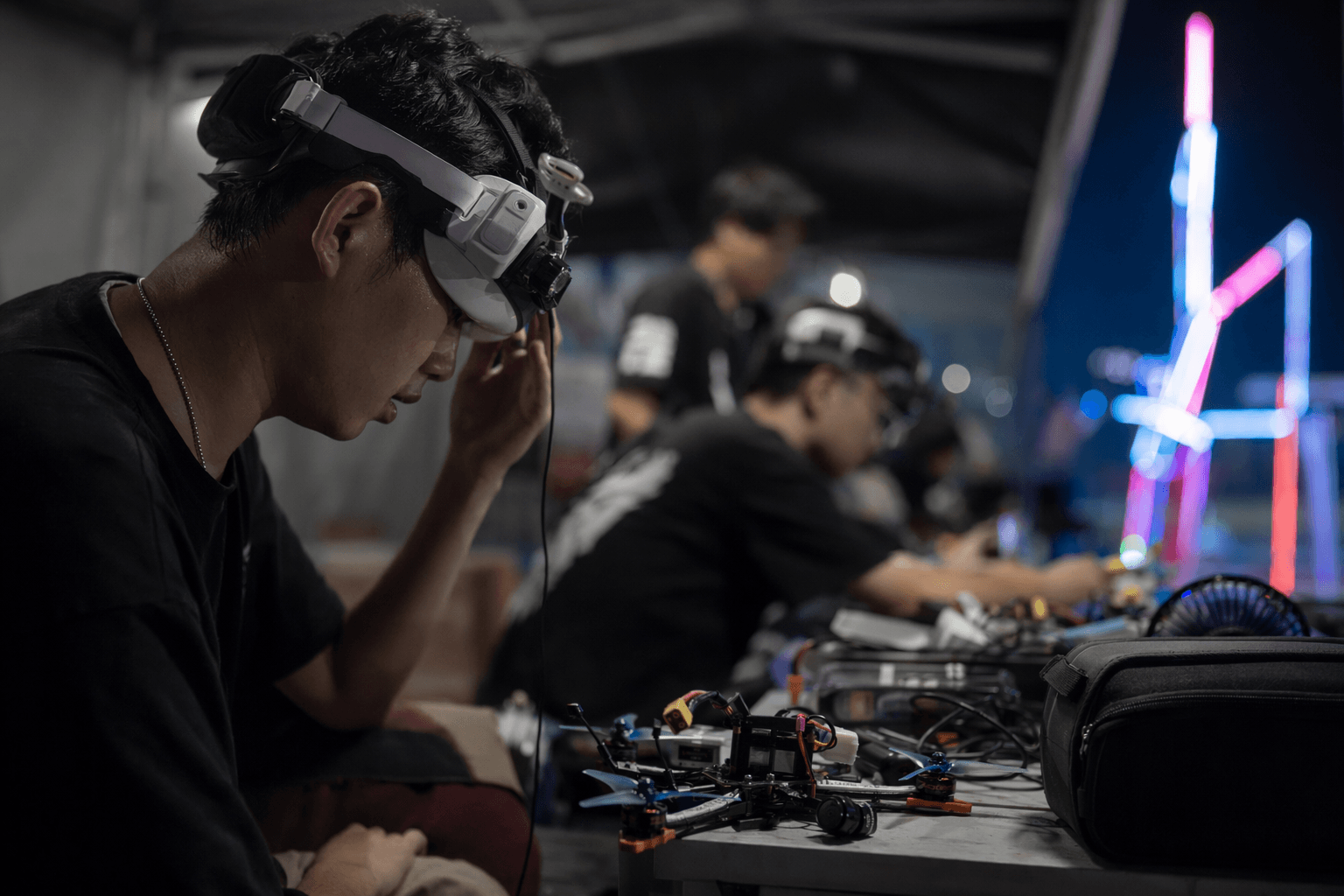
Changzhou has also tied the base to a bigger industrial and sporting push. The city framed the open as a milestone for youth development, elite racing and equipment testing, while linking it to China’s low-altitude economy strategy and the growing credibility of F9U racing as an officially recognized sport venue. That alignment matters: China’s top economic planner created a low-altitude economy department in December 2024, after the term appeared in the government work report for the first time that year. Xinhua said the sector already involved more than 50,000 enterprises and was projected to exceed 1 trillion yuan by 2026.
The sports structure around drone racing is tightening too. The General Administration of Sport of China Aviation Radio Model Management Center has already announced a 2026 Drone Racing World Cup in China as an FAI second-category event, with each Chinese stop expected to draw about 100 to 120 participants. The Ningbo-Yinzhou round is set for May 28-31 at Ningbo Municipal Sports Development Center Stadium, capped at 120 athletes and requiring FAI sporting or drone-sport licenses, insurance and online registration.
That pipeline reaches well below the elite level. In August 2024, about 17,000 young participants took part in 23 events at the National Aviation Science Popularization Grand Assembly and the 8th China Educational Drone Event in Chongqing. Together with the Changzhou Open, that youth base and the new venue infrastructure show how quickly China is turning FPV racing into a sport with organized rungs, larger fields and real host-site value.
Know something we missed? Have a correction or additional information?
Submit a Tip