DJI Avata 360 vs Antigravity A1, endurance and cost shape FPV training choices
Endurance, weight, and price split the choice: DJI lowers the entry cost, but Antigravity’s longer real-world battery life makes the stronger practice tool.
The real tradeoff
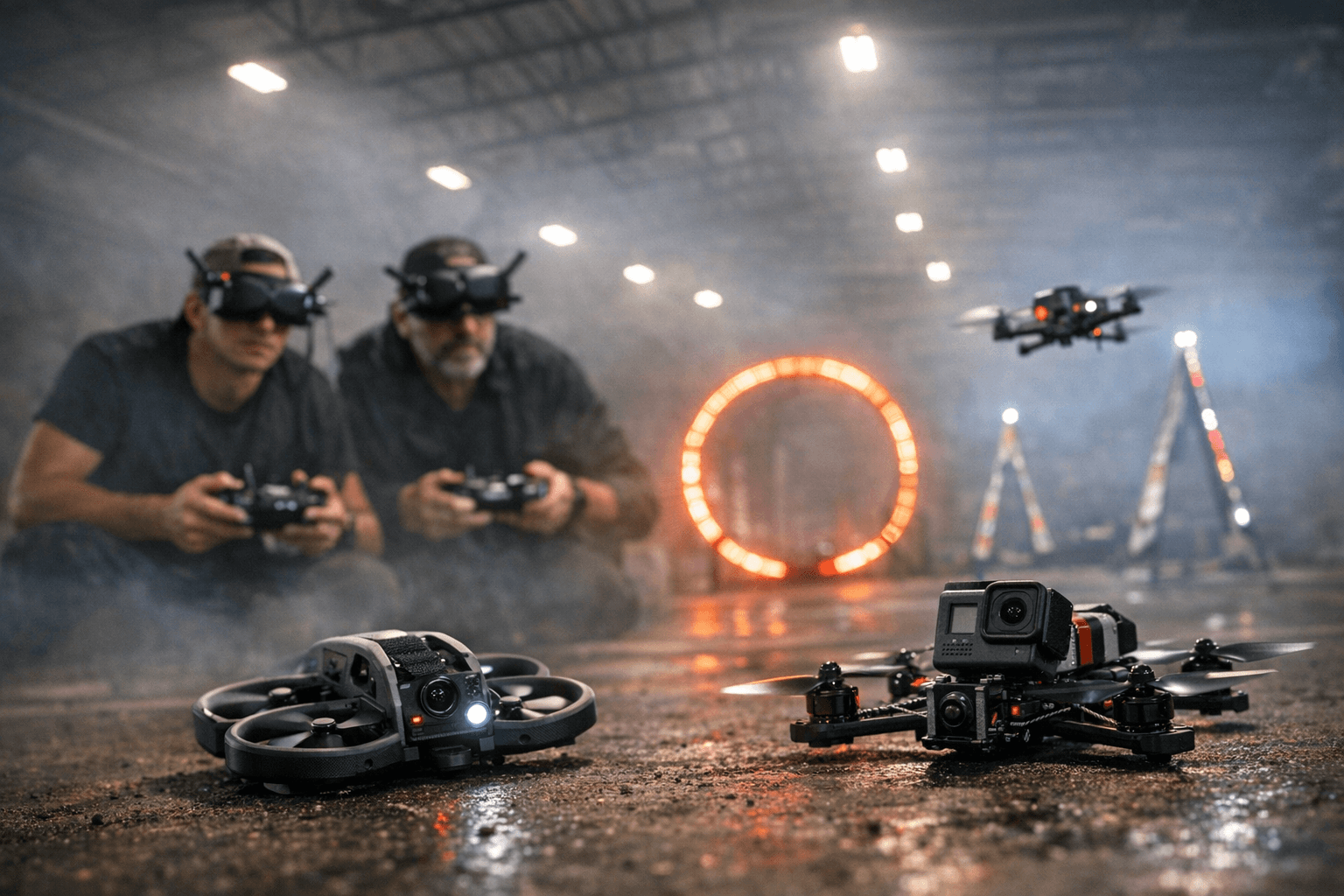
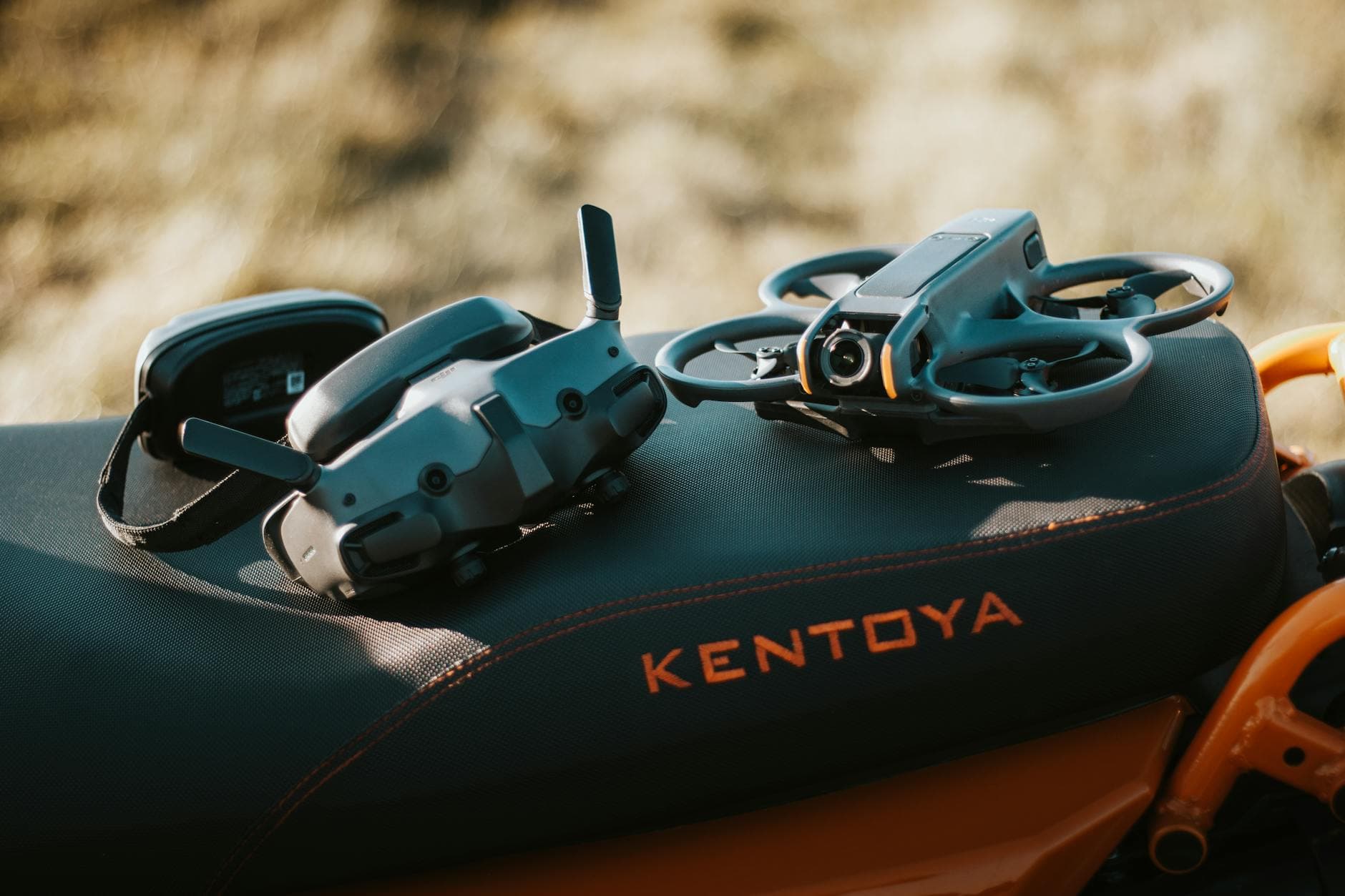
FPV pilots looking at the DJI Avata 360 and Antigravity A1 are not really choosing between two gimmicks. They are choosing between a cheaper, more polished consumer ecosystem and a lighter airframe that gives back something racers value most: usable time in the air. Jeven Dovey’s comparison makes that tradeoff plain, because the headline numbers matter less than what happens when you keep flying pack after pack.
The Avata 360 opens the door at a much lower price, with DJI listing U.S. orders at $719 for the standalone drone. The A1 started life at $1,599 and, even with a spring sale dropping the Standard Bundle to $1,279, it still asks more money up front. For a pilot building a training routine, that difference is not abstract. It can decide whether the new drone is a dedicated practice machine or a luxury add-on that gets used sparingly.
DJI Avata 360: the easier buy-in
DJI launched the Avata 360 on March 26, 2026, and the spec sheet is stacked with consumer-friendly features. The drone uses O4+ video transmission, omnidirectional obstacle sensing, and 1-inch-equivalent sensors. It can record 8K/60fps HDR in 360 mode and switch to Single Lens mode for 4K/60fps capture, which makes it more flexible for pilots who want both immersive footage and a conventional framing option.
The practical appeal is obvious: this is a ready-made package with DJI’s usual polish, plus 42GB of internal storage, a max horizontal speed of 18 m/s in Sport mode, a max flight distance of 13.5 km, and wind resistance rated at 10.7 m/s, or Level 5. For a pilot who wants a smoother path into high-end 360 capture, DJI is the friendlier landing spot. The tradeoff is that the Avata 360 sits at about 455 g, well above the sub-250g class, so it does not carry the same legal and logistical flexibility as a lighter craft.
That weight matters more than it first appears. In FPV, every extra barrier to flying changes how often you practice and where you can practice. A drone that is easier to buy, easier to set up, and loaded with safety features can still lose ground if it is heavier, more regulated, and less suited to the repeated abuse of race-style training.
Antigravity A1: the longer-session trainer
The A1 comes at the problem from the opposite direction. Antigravity markets it as the world’s first 8K, 360, sub-250g camera drone, and that weight class is the headline for pilots who care about where they can fly and how freely they can move through a session. Its official store showed the Standard Bundle at $1,279 during a spring sale running from Mar. 16 to Apr. 26, a sharp drop from its $1,599 launch price on December 4, 2025.
The most important number, though, is not the launch price. It is the air time. Dovey said the A1’s higher-capacity battery delivered roughly 30 to 35 minutes in real use, compared with a 39-minute spec. That is a massive practical edge over the Avata 360, which DJI rates at about 23 minutes under controlled test conditions, but which Dovey found closer to 15 to 16 minutes per charge in real flying.
For FPV training, those extra minutes change the whole session. They mean more repetitions through the same turn, more chances to lock in a gate line, more time to recover from one mistake without ending the pack early. A drone that can stay up for 30-plus minutes is not just “better on paper.” It lets a pilot learn faster because the work of the session is not constantly interrupted by battery anxiety.
Why endurance is the real competitive variable
This comparison goes beyond camera specs because the real limiter in FPV training is not how impressive a drone looks in a launch video. It is how many meaningful laps you can get before the battery is done. Dovey’s numbers turn that idea into something concrete: the gap between roughly 15 to 16 minutes and 30 to 35 minutes is the difference between a short warm-up and a full practice block.
That matters for race development even when neither drone is a pure racing quad. DJI’s transmission, obstacle sensing, and lower entry price make the Avata 360 a smooth first step into a high-end ecosystem. Antigravity’s lighter frame and longer runtime make the A1 more attractive when the goal is to build discipline, repeat lines, and spend more time actually flying than swapping packs.
The same logic explains why weight class has become such a big part of the conversation. The A1’s sub-250g design can affect where and how it can be flown legally, which is a real competitive advantage for pilots who need more places to train. DJI’s 455 g Avata 360, by contrast, asks more of the pilot before a flight even begins.
Which pilot each drone fits
The Avata 360 fits the pilot who wants a polished, lower-cost path into 360 capture and can accept shorter real-world sessions. It is the more approachable buy, and for many flyers that will matter more than raw endurance. If the goal is to capture clean footage, experiment with DJI’s ecosystem, and keep setup friction low, the Avata 360 makes sense.
The A1 fits the pilot who wants more usable flight time, a lighter platform, and a tool that feels closer to the demands of serious practice. It is the stronger choice for repeated laps, longer cinematic runs, and training days where airtime is the priority. The higher sticker price is harder to swallow, but the payoff is obvious the moment a session stretches past the first battery.
The bigger market signal
This matchup also says something about where FPV hardware is headed. DJI is pushing a feature-rich consumer platform into a space that has long rewarded flexibility and speed, while Antigravity is betting that lighter weight and longer endurance will win over serious flyers. That is a business story as much as a gear story, because it shows which attributes the market is rewarding right now.
For competitive pilots, the lesson is simple: the better drone is the one that matches the way you train. If cost and convenience come first, DJI’s Avata 360 is the easier door into the category. If longer sessions, lighter weight, and more practical flight time matter more, the A1 is the stronger training partner, and that is the edge that can shape the next generation of FPV racers.
This article was produced by Prism’s automated news system from verified source data, official records, and press releases, then run through automated quality and moderation checks before publishing. The system is built and supervised by the people who set the standards it runs under. Read our full AI policy.
Did this article answer your question?