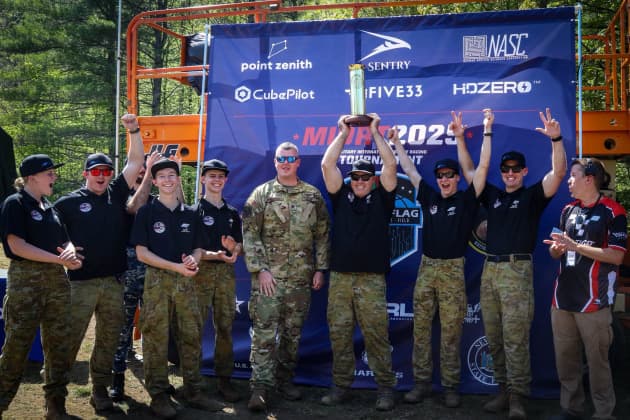
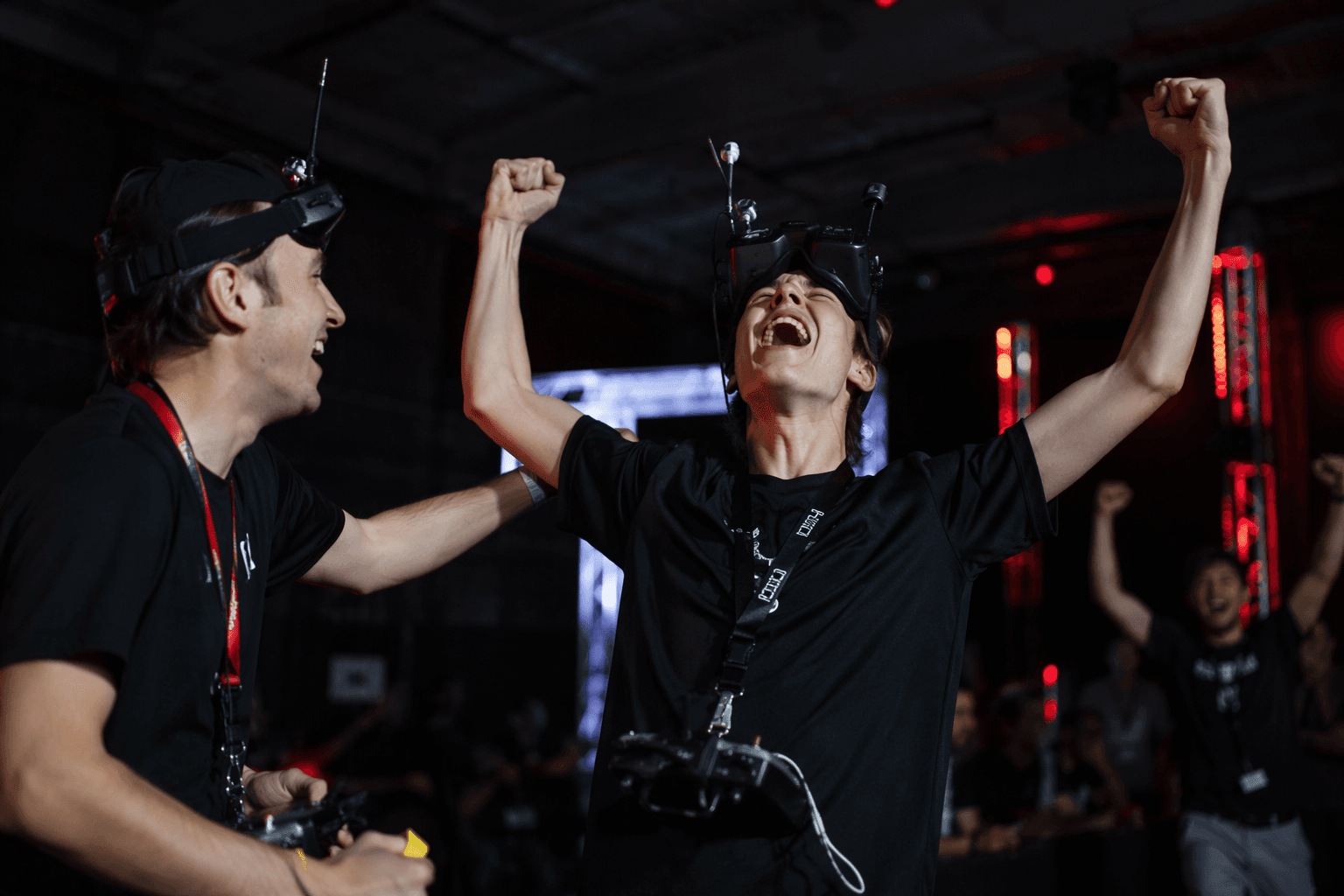
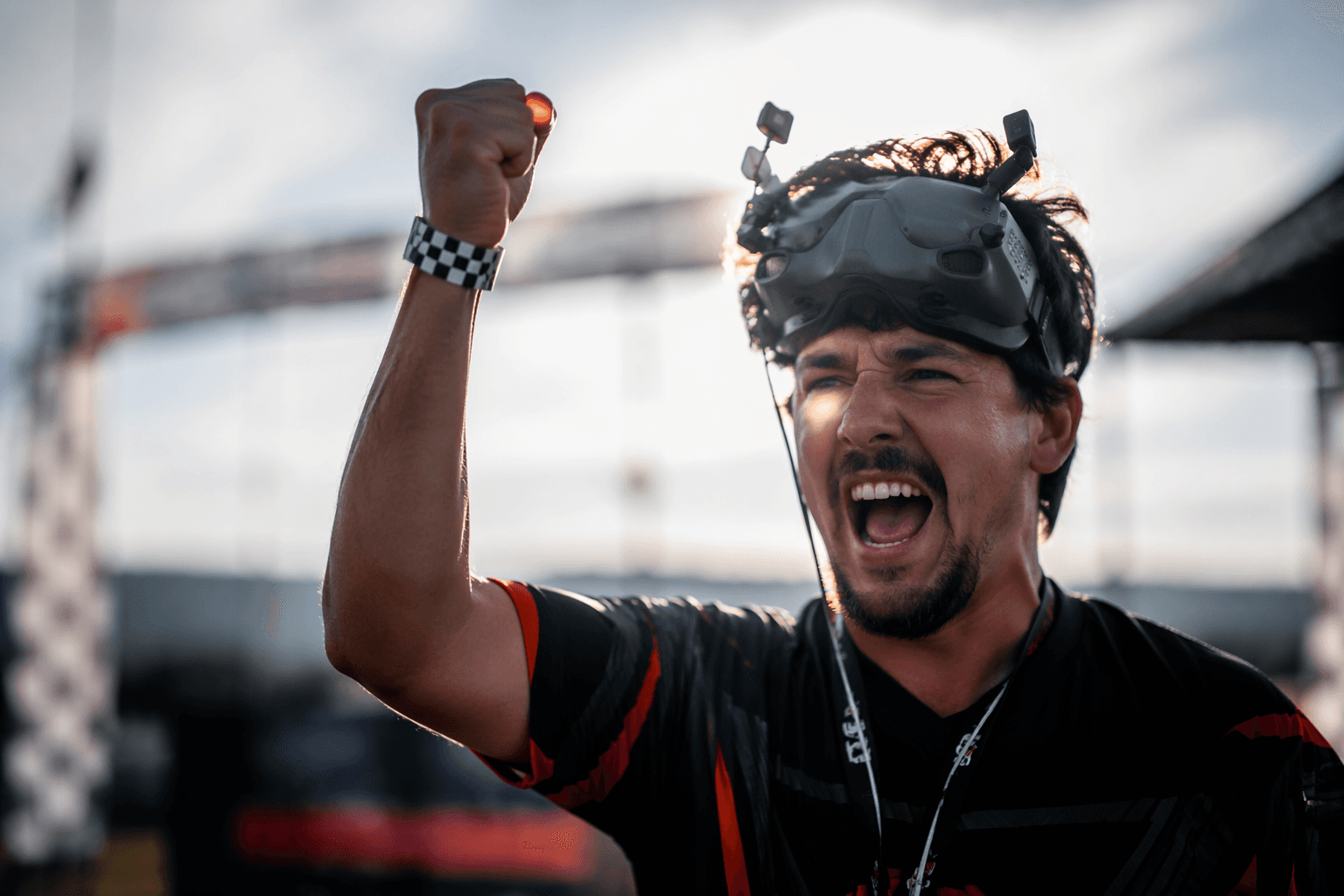
Dron-o-war 1.0 showcases India’s drone talent in national campus showdown
More than 100 teams turned JIIT’s Noida campus into a drone pipeline, with FPV racing, autonomy and payload missions sharing an 8 lakh prize pool.
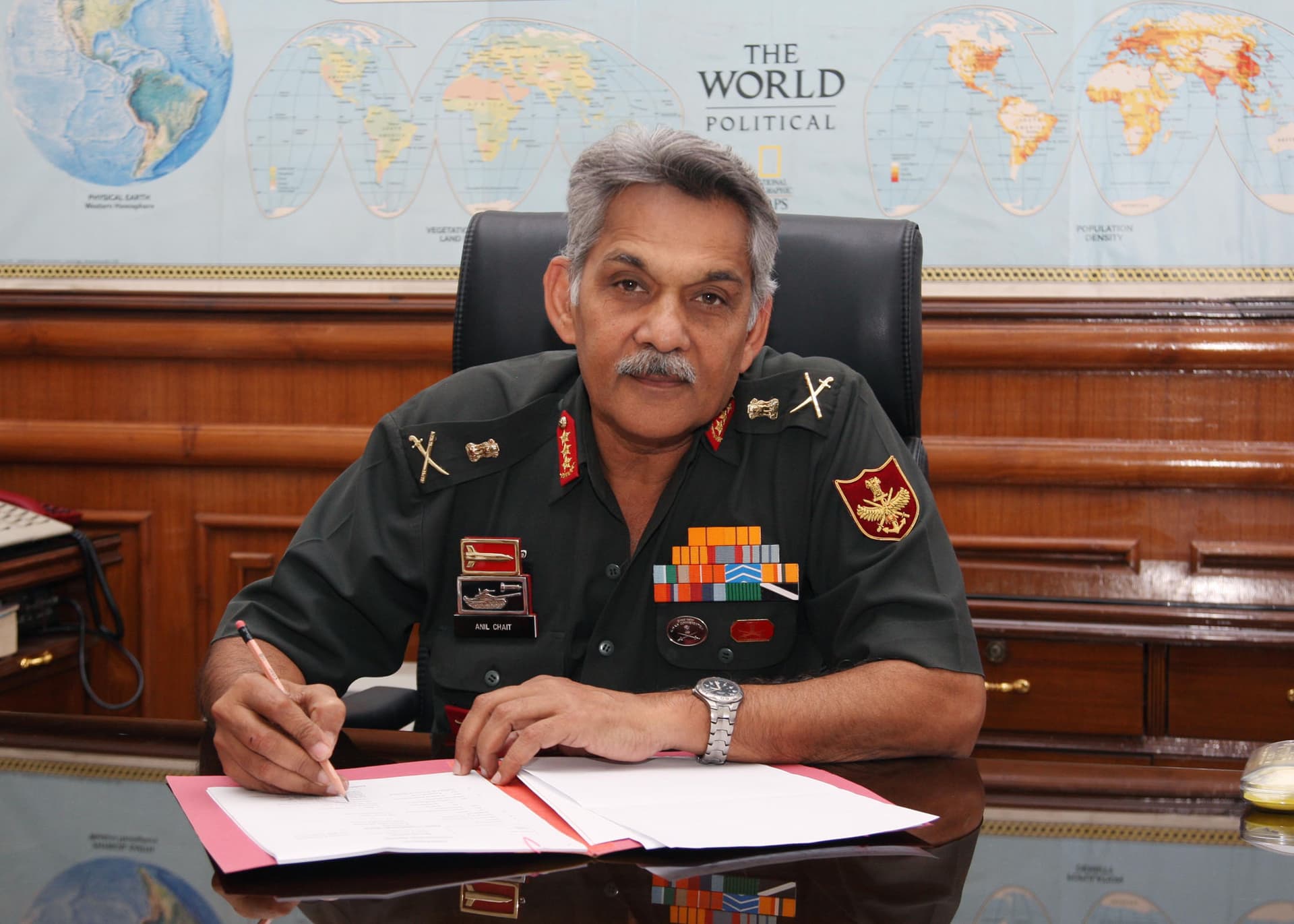
Dron-o-war 1.0 did more than fill gates and launch pads at Jaypee Institute of Information Technology. With more than 100 teams converging on the Wish Town campus in Noida Sector 128 and Lt. Gen. Anil Chandra Chait (Retd.) serving as chief guest, the two-day meet became a national-stage snapshot of how fast India’s drone scene is widening beyond pure speed.
The headline numbers were built for scale. JIIT positioned the championship as a national-level event on its Noida campus from May 2 to May 3, 2026, with an 8,00,000 prize pool and a field designed to pull in students, innovators, startups and tech enthusiasts. That mix mattered because Dron-o-war 1.0 was not a single-discipline race. Its program stretched across FPV racing, payload delivery missions, autonomous drone missions, drone design and innovation contests, and RC aircraft challenges, with DRDO scientist talks and advanced demonstrations folded into the schedule.
That range is what makes the event significant for the sport. FPV racing still provides the adrenaline and the lap-time pressure that define drone racing at its best, but the payload and autonomous categories point to a broader talent pipeline. Students are not just learning how to thread a quad through a course; they are being pushed to build, tune, program and present machines that can carry out real missions. That is where competitive flying, engineering and operations start to overlap, and where a campus meet begins to look like a feeder system for a larger unmanned-aircraft industry.
The policy backdrop reinforces that shift. The Ministry of Civil Aviation says Digital Sky is the official unmanned traffic management system for drone and operator registration, licensing and online clearances, while the DGCA’s DigitalSky airspace map is dynamic and must be checked before every flight. In other words, India’s drone growth is being shaped not only by hardware and pilots, but by compliance, airspace discipline and a clearer operating structure. Drone Federation India has also cast itself as a connector of innovators, manufacturers, service providers, drone pilots and policymakers, a sign that the ecosystem is trying to stitch competition into industry.
JIIT’s own scale helps explain why it could host a national-level showcase. Established in 2001 and declared a deemed university in 2004, the institute sits on a 46.94-acre campus and has a 2,500-capacity auditorium, giving the event the footprint to look beyond a one-off college spectacle. Dron-o-war 1.0 suggested that India’s drone racing future will be built where competition, engineering and regulation meet, not where the stopwatch stands alone.
This article was produced by Prism’s automated news system from verified source data, official records, and press releases, then run through automated quality and moderation checks before publishing. The system is built and supervised by the people who set the standards it runs under. Read our full AI policy.
Did this article answer your question?