FAI reveals how drone racing judges enforce fairness and safety
Drone racing looks like a sprint, but FAI shows it is really won by the officials, checks, and rules that make every lap count.

The fastest drones may decide the headline, but the sport’s credibility is built elsewhere, in the hands of judges, scrutineers, and timing systems that have to get every detail right. In FAI competition, fairness and safety begin before the first launch and continue through every lap, every protest, and every elimination. That hidden machinery is what keeps a race decided in seconds from feeling arbitrary.
The course is only legitimate if the track and the machine are
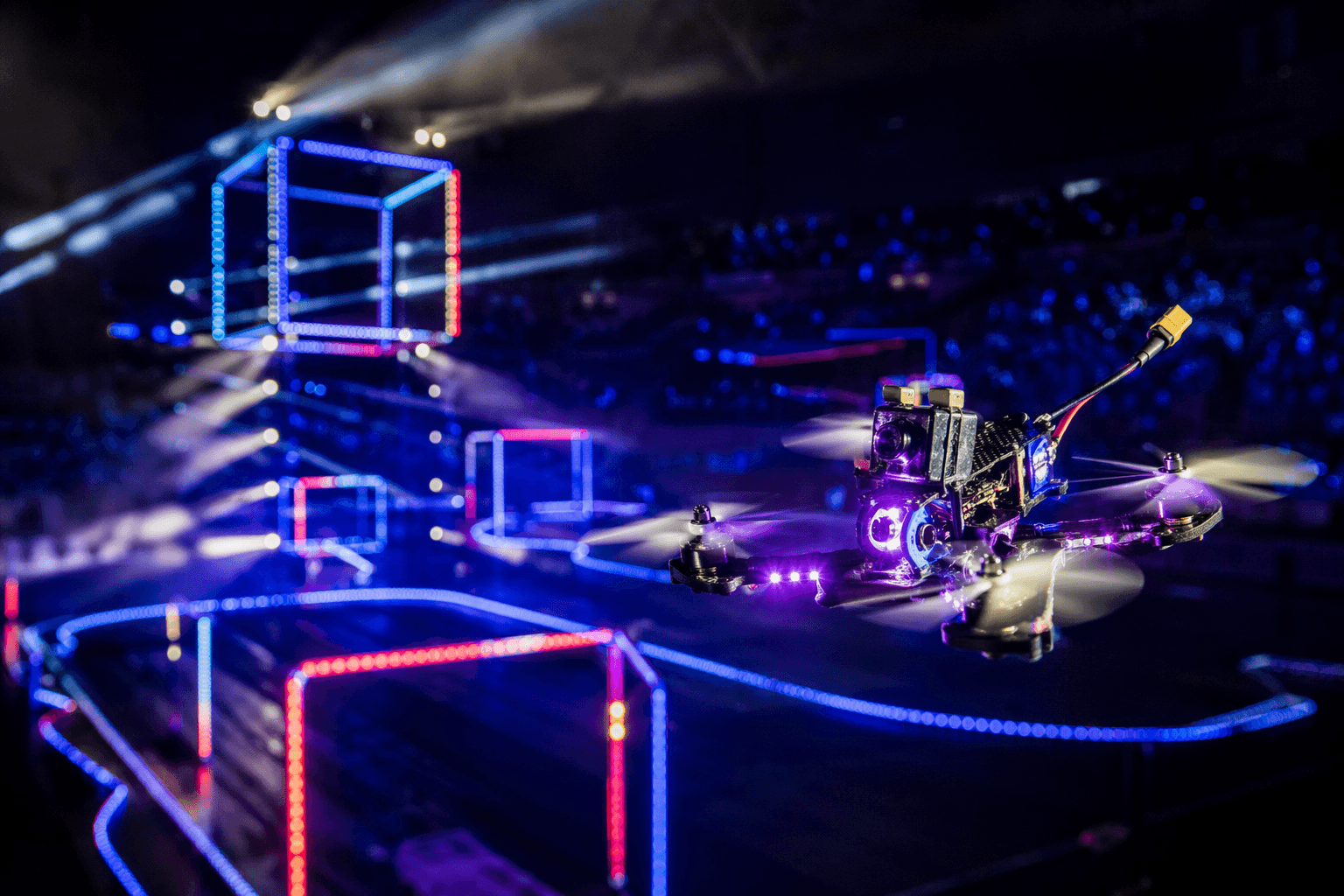
FAI’s sporting code defines a drone racing circuit as a closed loop with a start line, obstacles, and a finish line. The course can be kept secret or published before the event, which matters because track knowledge shapes how aggressively pilots can attack the gates and how much they can afford to improvise once they are airborne.
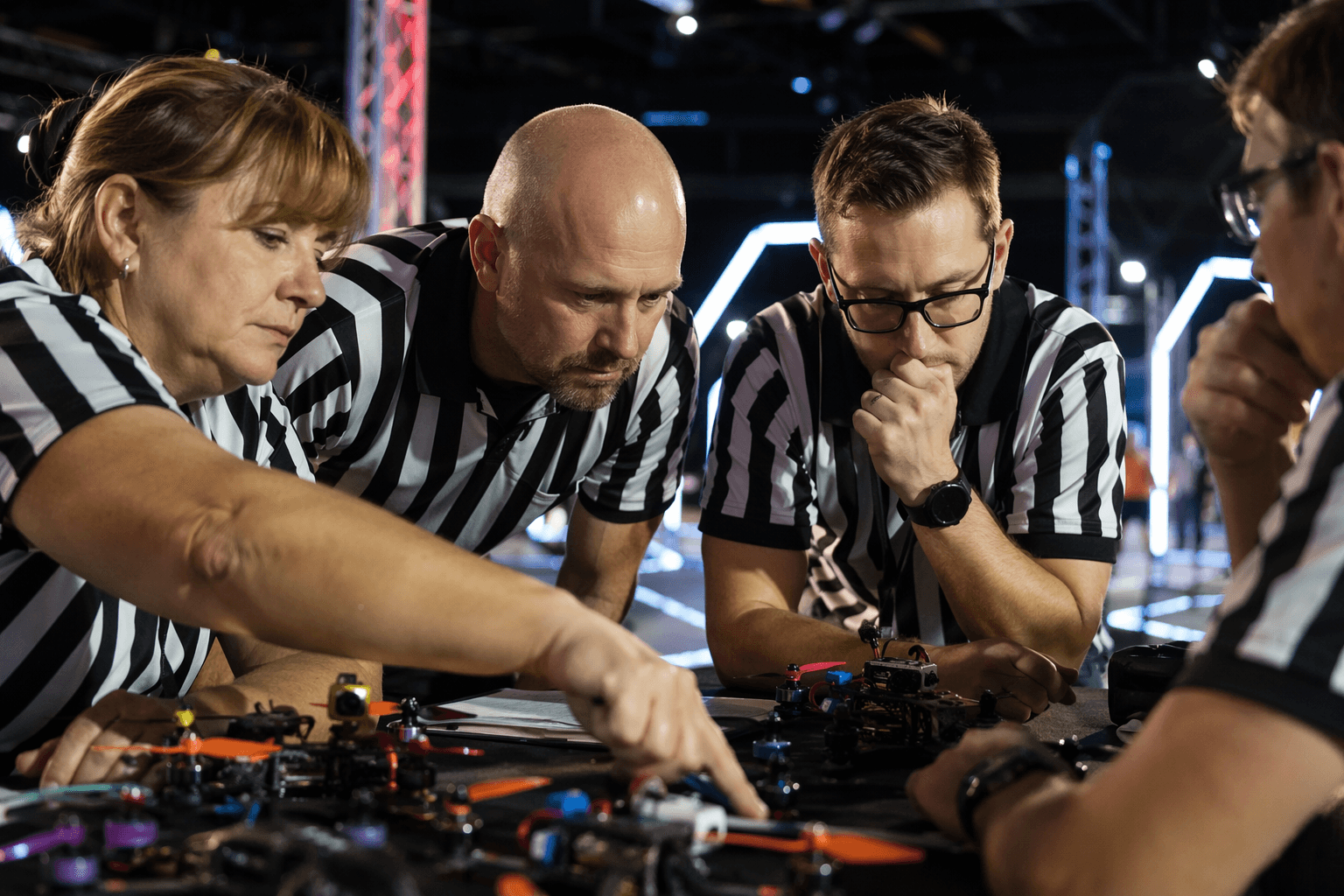
The drone itself is checked just as carefully. An athlete can register up to three drones, but only machines marked compliant are allowed onto the track. Those inspections cover size, weight, permitted video frequencies, maximum video-transmission power, and even LED colors. In a sport where a tiny hardware advantage can decide a heat, the pre-race check is not paperwork at the edge of the show, it is part of the show’s legitimacy.
Why every race is a rules problem as much as a speed contest
FAI says a race is run over a fixed number of laps within a maximum of three minutes. That time cap keeps the format tight, but the important detail is that the stopwatch does not tell the whole story. A lap time only counts if the flight was flown correctly, which means the electronic timer and the human judge have to agree.
The starting judge, or starter, controls the launch and the stop. That official can also halt the race if the circuit becomes unsafe, which gives the role real authority over both competition and risk. In a discipline where the margins are tiny and the drones are fast enough to make a clean restart valuable, the starter is effectively the sport’s first line of order.
The pilot judge is the sport’s gatekeeper
The pilot judges sit on the most delicate part of the action. They watch the same video feed as the competitors and verify that each racer actually flew through or over every obstacle. A missed gate, shortcut, or deviation can invalidate a lap even if the timer captured a quick run, so the judges decide whether speed becomes a valid result or just a fast mistake.
That rule changes how pilots race. A racer cannot simply blast through the course and hope the clock is kind; every line has to be both aggressive and legal. The sport rewards risk, but only within a frame that preserves the meaning of a lap, and that is what makes drone racing feel like a true motorsport rather than a pure reflex contest.
Supervision and protest are built into the format
The supervisor judge oversees the whole event and can help resolve disputes by reviewing footage. That layer matters because drone racing often turns on moments that are hard to see in real time: a brush with a gate, a missed obstacle, a borderline exit, or a line that looks clean from one angle and questionable from another.
FAI’s system is built to reduce the sense that a champion was crowned by guesswork. If the starter controls the race, the pilot judges validate the laps, and the supervisor helps settle disagreements, then the result comes from a chain of responsibility rather than a single call. That is a crucial reason the sport can sell itself as precise, not chaotic.
Elimination formats put pressure on every decision
After qualification, FAI rules say the first pilot to complete the required laps is placed first in that race, and two losses eliminate a competitor from the competition. That structure sharpens strategy because one bad heat can alter the entire path to the title. A pilot is not only racing opponents, but also racing the elimination math.
The 2025 World Games rules push that logic even further with a 32-athlete elimination bracket that includes double elimination. The rules also list the kinds of infractions that can end a run or an event: false starts, circuit exits, removing goggles during flight, hazardous maneuvers, unauthorized equipment, and video transmitters outside the allowed power range. In other words, the championship is not just about who is quickest, but who stays clean under pressure.
What the officiating system says about the sport
The official structure behind a World Games event includes a Competition Manager, the FAI Jury, the Starter, the Supervisor, and Pilot Judges. That is a lot of authority for a sport that can look, from the outside, like a burst of neon speed and noise. But the title depends on people who can keep order in a format where one illegal move can rewrite the bracket.
That is why the question of fairness in drone racing is really a question of design. The sport’s central spectacle is speed, but its legitimacy comes from the invisible architecture around it: equipment control, lap validation, video review, elimination rules, and officials empowered to stop a race when the track or the result is in doubt.
The sport’s growth explains why the rulebook had to mature
FAI’s own World Cup history shows how fast the field expanded. The 2016 World Cup ranked 229 competitors from 17 countries. By 2017, that number had jumped to 434 competitors from 37 countries, a sign that the discipline was moving from a specialized scene into a broader international competition.
FAI also temporarily issued permissions in 2017 to help accommodate the fast-growing FPV racing community and connect it to international air sports. The federation now says drone sports are drawing tens of thousands of new people into air sports, which makes the officiating system more than a technical detail. It is the framework that allows a rapidly expanding global sport to preserve trust while it grows.
A champion is only as credible as the process around the lap
The 2017 FAI Drone Racing World Cup winner, Dario Neuenschwander of Switzerland, stands as a reminder that the sport crowns individual talent, but only after it has passed through a strict competitive filter. The race itself may last seconds, yet the result depends on what happens before launch, during the run, and after the finish.
That is the deeper lesson of FAI’s judging model. In drone racing, the winner is not just the pilot with the sharpest thumbs. It is the pilot whose speed survives the scrutiny of the starter, the judges, the equipment rules, the elimination format, and the standards that keep the sport watchable, credible, and fair.
This article was produced by Prism’s automated news system from verified source data, official records, and press releases, then run through automated quality and moderation checks before publishing. The system is built and supervised by the people who set the standards it runs under. Read our full AI policy.
Know something we missed? Have a correction or additional information?
Submit a Tip