FAI rules reveal drone racing is a precision motorsport, not chaos
FAI’s F9U rules turn drone racing into a clean-lap, bracket-and-ranking sport where one crash can outweigh raw speed.
The 2026 FAI Sporting Code, Volume F9 Drone Sports, took effect on June 1, 2026. F9U is the official class, and the code defines the course and turns each heat into a test of lap validation, bracket survival, and disciplined risk management.
F9U is the rulebook that separates racing from noise
It spells out drone racing as a structured motorsport rather than an open-ended spectacle. The code breaks the discipline into model specifications, the racing circuit, model registration, practice flights, event organization, timekeeping, and qualification.
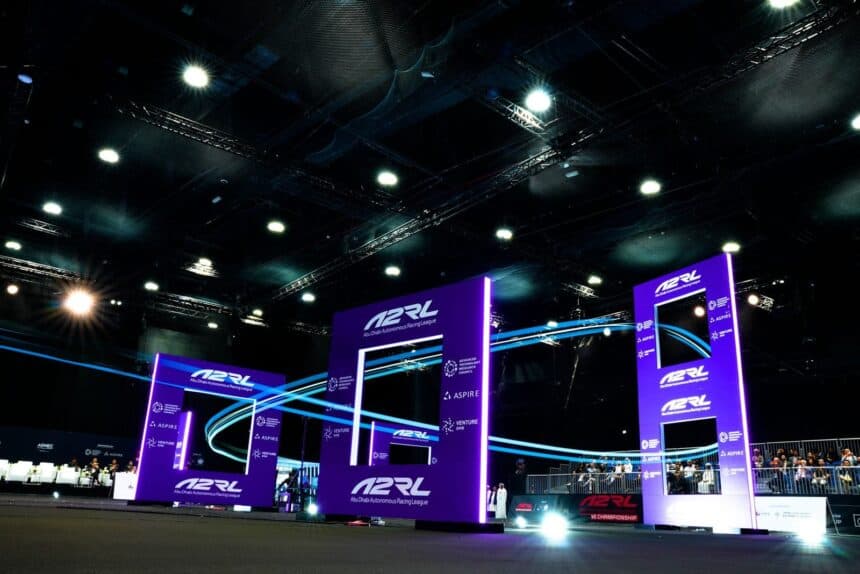
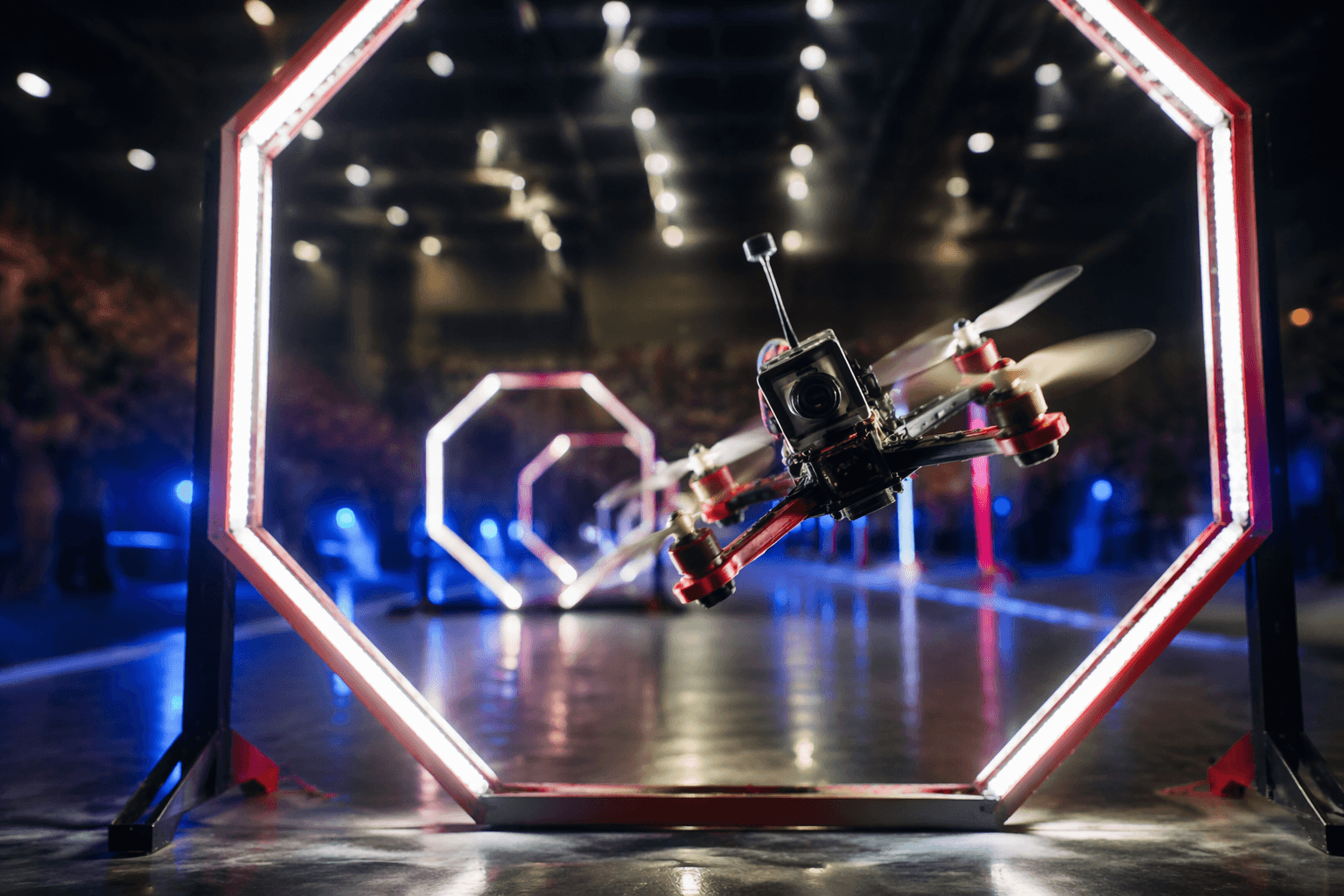
The circuit itself is tightly defined. It is not a random obstacle course, but a 3D flight path with a start line, gates or other obstacles that must be crossed or avoided, and a start-finish line. Organizers also use a separate CIAM document for track-design and construction guidelines, which means the course is engineered before a single drone takes off.
Qualifying does more than sort the field
The World Games 2025 rules use 32 athletes and a double-elimination sequence after qualifying, so a pilot can survive one bad run but not two. The competition is built in three stages: qualification, elimination, and final.
Electronic timing decides the order after qualifying, and the first pilot to complete three laps places first, the second next, and so on. Drone racing is not a “best trick wins” contest or a style competition dressed up as a race. A pilot can be the quickest in a single moment and still lose the day if that speed is not converted into completed laps and bracket advancement. Qualifying sets the bracket order.
The format changes how pilots race each other. A pilot with a strong qualifying run can chase a safer lane in elimination, while a lower seed may have to attack early to avoid getting trapped behind a faster line. In a 32-athlete double-elimination field, the smart move is often to survive the heat cleanly rather than force a desperate pass that turns one loss into a second and final one.
Validation is where races are won and lost
Lap validation is strict. If a pilot misses an obstacle, pylon, or flag, the lap is not counted unless the mistake is immediately corrected in a safe manner. It is not enough to fly fast through the course if the line is broken in a way the officials cannot validate.
That same precision shows up in the disqualification list. False starts, circuit exits over the safety line, flying after removing FPV goggles even briefly, dangerous maneuvers, unauthorized video-transmitter power, noncompliant equipment, and unsporting behavior can all trigger disqualification from the race or the event.
Pilot guidance recommends building reliable racing models, using a proven video transmitter, and valuing consistency over reckless aggression. A pilot who finishes second in a heat may actually be playing the smarter race if that finish keeps the drone intact and preserves the next bracket run.
The World Cup rewards a season, not a single burst
The World Cup side of the sport is built differently from the championship side. FAI treats Drone Racing World Cup events as open international competitions with individual participation rather than national teams. Eligible competitors must hold a valid FAI Sporting Licence or FAI Drone Permission.
Results are decided by final annual ranking, with medals and diplomas for the top three competitors. The World Cup is a season-long points race, and consistency across events is what pays off at the end. FAI launched the first FAI e-Drone Racing World Cup series in 2024, adding an online format that extended the sport beyond physical tracks and into simulator-based competition.
The 2025 World Cup calendar includes simulator-based events and defined registration, practice, and qualification windows.
From Shenzhen to Hangzhou, the sport kept scaling up
The first FAI World Drone Racing Championships in Shenzhen ran from November 1 to 4, 2018, and drew 128 competitors from 34 countries. FAI counted 44 juniors and 13 women among them.
FAI called Shenzhen “the Heart of the drone economy,” a phrase that captured how closely the sport was already tied to China’s drone industry ecosystem. It was the first championship of its kind. By the time the 2024 World Drone Racing Championship landed in Hangzhou, China, from October 31 to November 3, 2024, the sport had already moved from novelty to a defined international title event.
The distinction between the World Cup and the World Championship keeps the structure clear. The World Championship is a standalone title event, while the World Cup is a series of open international events with annual rankings.
This article was produced by Prism’s automated news system from verified source data, official records, and press releases, then run through automated quality and moderation checks before publishing. The system is built and supervised by the people who set the standards it runs under. Read our full AI policy.
Know something we missed? Have a correction or additional information?
Submit a Tip