Formula 1 unveils 217 mph drone for Austrian Grand Prix footage
Formula 1’s 217 mph camera drone turned the Austrian Grand Prix into an FPV benchmark, with safety now the main barrier to wider race coverage.
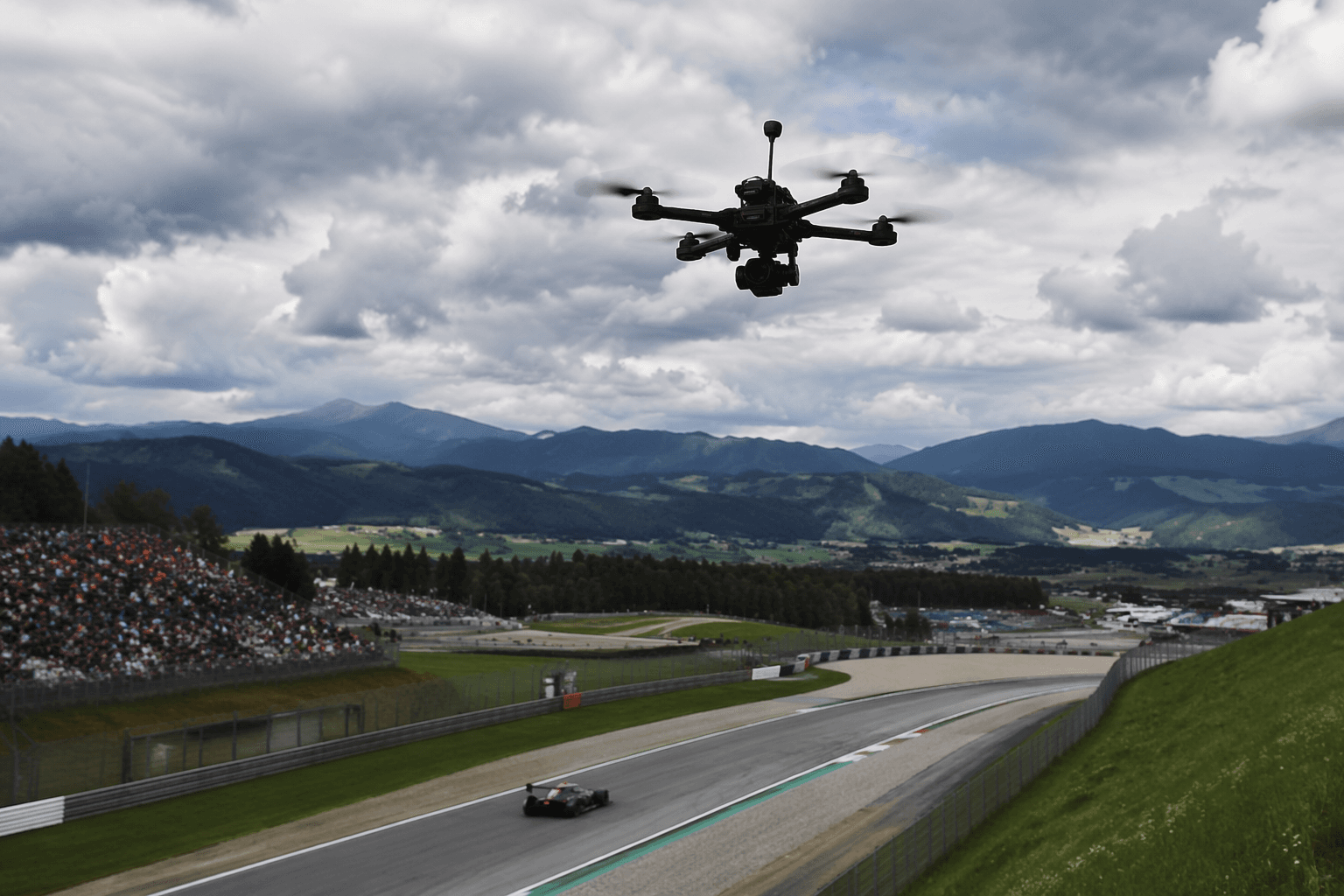
Formula 1 put a camera drone capable of 217 mph into its Austrian Grand Prix coverage, turning a filming experiment into a live benchmark for high-speed control and stabilization. The FPV-style drone was used around the circuit in Austria, where the broadcast leaned on the aerial shots as a real feature rather than a novelty.
The system had been in testing for at least two years before its debut, and the project drew on Dutch Drone Gods, the Dutch team that previously chased Max Verstappen around Silverstone in a 217 mph video project. That earlier run at Silverstone gave the number credibility; Austria made it part of Formula 1’s live production, with the drone’s footage showing up in a setting tied closely to Red Bull and the wider F1 performance ecosystem.
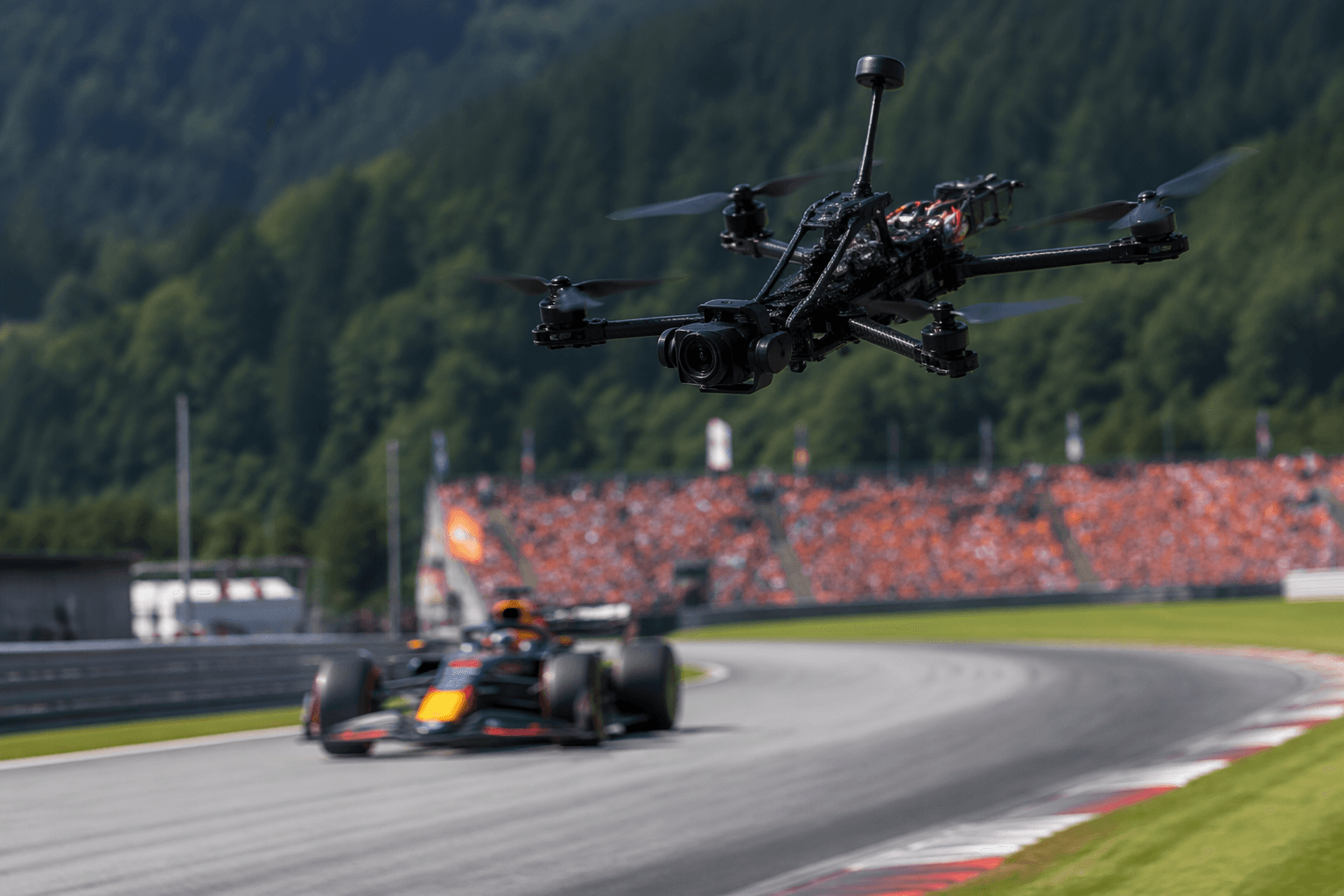
The next step may already be higher. Motorsport reported that Formula 1 had been talking to Red Bull about using a 220 mph drone, but safety was the limit. That is the core issue for any drone-racing crossover: raw speed is only useful if the aircraft can hold a safe line around open-wheel cars, keep the camera locked, and stay responsive enough for an FPV pilot to trust the feed in real time. In that sense, the challenge is not simply building a faster quad, but building one that can live inside the safety envelope of a Grand Prix.
That makes the Austrian Grand Prix rollout more relevant to drone racing than to motorsport spectacle alone. The breakthrough that matters most is the combination of speed, control latency and shot stability, because those are the same pressure points that decide whether a racing drone feels precise or overmatched at full throttle. A drone that can track a Formula 1 car at 217 mph suggests a future where broadcast chase footage can get tighter and faster without abandoning the first-person feel FPV fans expect.
The reaction around the Austrian Grand Prix suggested viewers noticed immediately, which matters for both broadcast producers and race-quad builders. Formula 1 did not just test a faster camera platform in isolation; it put FPV footage into a live race environment and made it part of the show. For drone racing, that is the new benchmark: not whether a machine can hit 217 mph, but whether it can do it while carrying a usable broadcast shot through the chaos of race conditions.
This article was produced by Prism’s automated news system from verified source data, official records, and press releases, then run through automated quality and moderation checks before publishing. The system is built and supervised by the people who set the standards it runs under. Read our full AI policy.
Did this article answer your question?