FPV Racing India builds league hub, rankings, and event access
FPV Racing India is building the ladder Indian drone racing has needed: rankings, event access, and a clearer path from hobby pilot to race regular.
The breakthrough is not just more races. It is a system.
FPV Racing India is trying to solve the problem that keeps a lot of niche sports stuck in hobby mode: pilots can find the excitement, but not always the pathway. By putting profiles, stats, leaderboards, a calendar, event booking, pilot registration, login access, and live results on the front page, the league is doing something bigger than promotion. It is building a recognizable competitive structure, the kind that lets new pilots see where they fit, where to race next, and how to move up.
That matters in FPV because the sport is not short on talent. It is short on organization. A pilot can be fast, but if the race schedule is scattered, the rankings are invisible, and the entry points are buried, the scene stays fragmented. FPV Racing India is flipping that model and making the sport look like a ladder instead of a loose collection of fly-ins.
A league hub, not a static showcase
The homepage positions FPV Racing India as India’s premier FPV drone racing league and presents FPV drone racing as the ultimate racing experience. The wording is bold, but the more important part is the structure behind it. The site is not built like a marketing brochure for spectators. It is built like a working hub for pilots, with clear paths to view profiles and stats, check the leaderboard, browse the event calendar, book an event, become a pilot, log in, and track live results.
That kind of architecture solves a real bottleneck. In a developing racing scene, access is often the hardest part. New competitors need to know how to enter, how to track standings, and how to find the next race without chasing scattered messages across group chats and social feeds. FPV Racing India puts those entry points on one page, which gives the sport a more legible shape for newcomers, sponsors, and schools.
The site also says the league is based in Gummadidala and highlights professional FPV drone racing events. That detail matters because it signals the platform is not just hosting casual meetups. It is trying to normalize regular competition with current pilot rankings and live results, the basic tools that turn an event calendar into an actual sporting ecosystem.
Why rankings change the sport
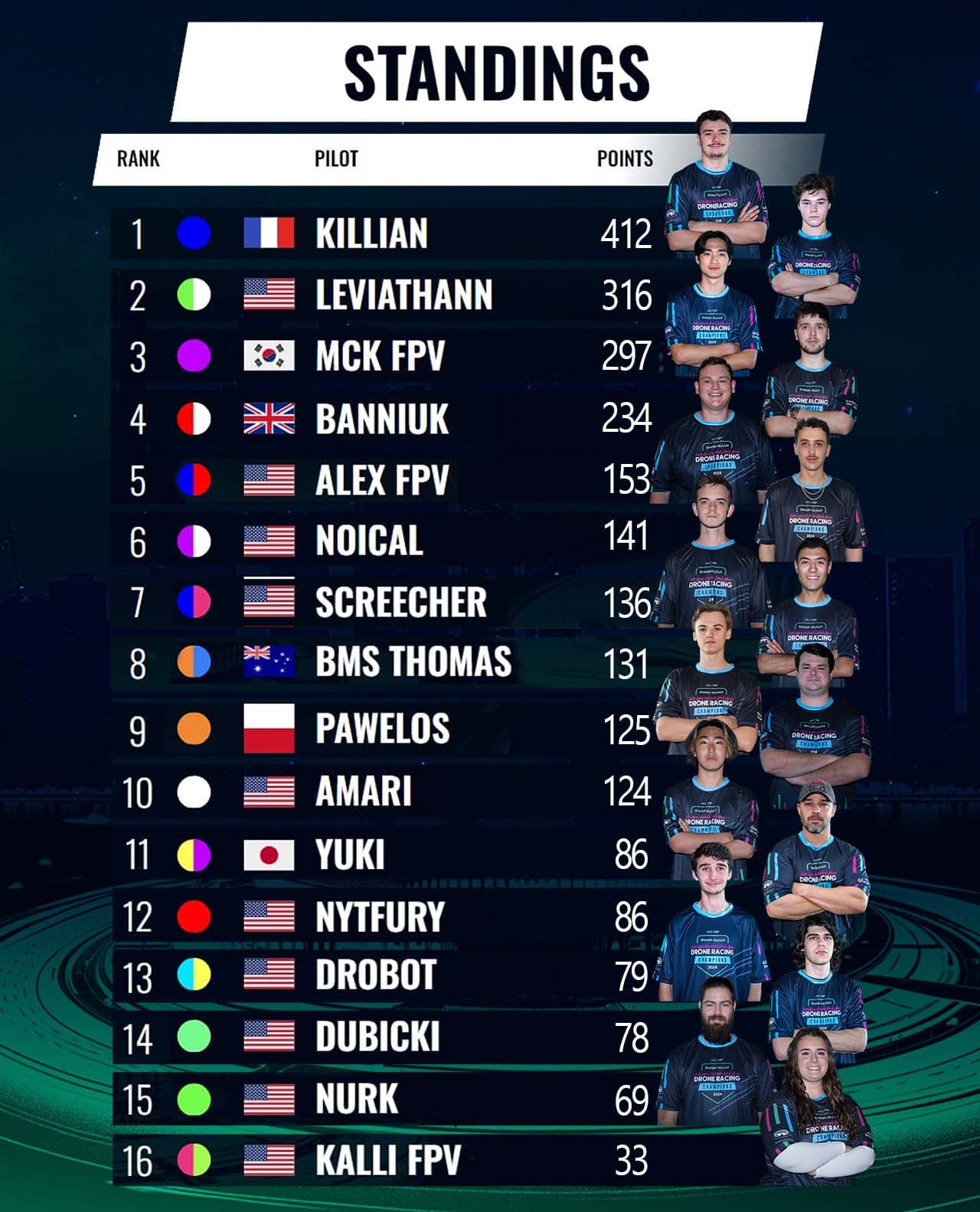
Rankings are the difference between a scene and a circuit. Once pilots can see who is ahead, who is rising, and where they stand after each event, every race carries more weight. A leaderboard makes a Sunday race in Hyderabad feel connected to the next event in Secunderabad, and it gives fast pilots a reason to keep showing up instead of disappearing after one good weekend.
For India’s FPV community, that is the key shift. A pilot database and live results system create continuity. They also create accountability, because performance is no longer trapped inside a single event page or a social media clip. It becomes part of a broader competitive record.
That is where the advantage starts to tilt. The pilots who benefit first are the ones willing to race often, stay visible, and treat the league like a season rather than a one-off challenge. Organizers benefit too, because a ranked environment makes it easier to sell continuity, build storylines, and give returning racers a reason to care about the next round.
The monthly-race model gives the scene a cadence
FPV India’s MultiGP chapter page adds the most revealing detail in the whole setup: its goal is to host high-quality races regularly, with a minimum of one event per month. The chapter is listed in Secunderabad, Telangana, and the page shows 125 members and 18 events. That is the kind of footprint that can support a real pipeline, because repetition is what turns interest into habit.
A monthly rhythm matters more than a single marquee event. One race can generate buzz. A steady calendar builds racers. It lets pilots plan around training cycles, battery prep, goggles, repairs, and travel. It also gives younger pilots and first-timers a reason to enter the sport because the next opportunity is never too far away.
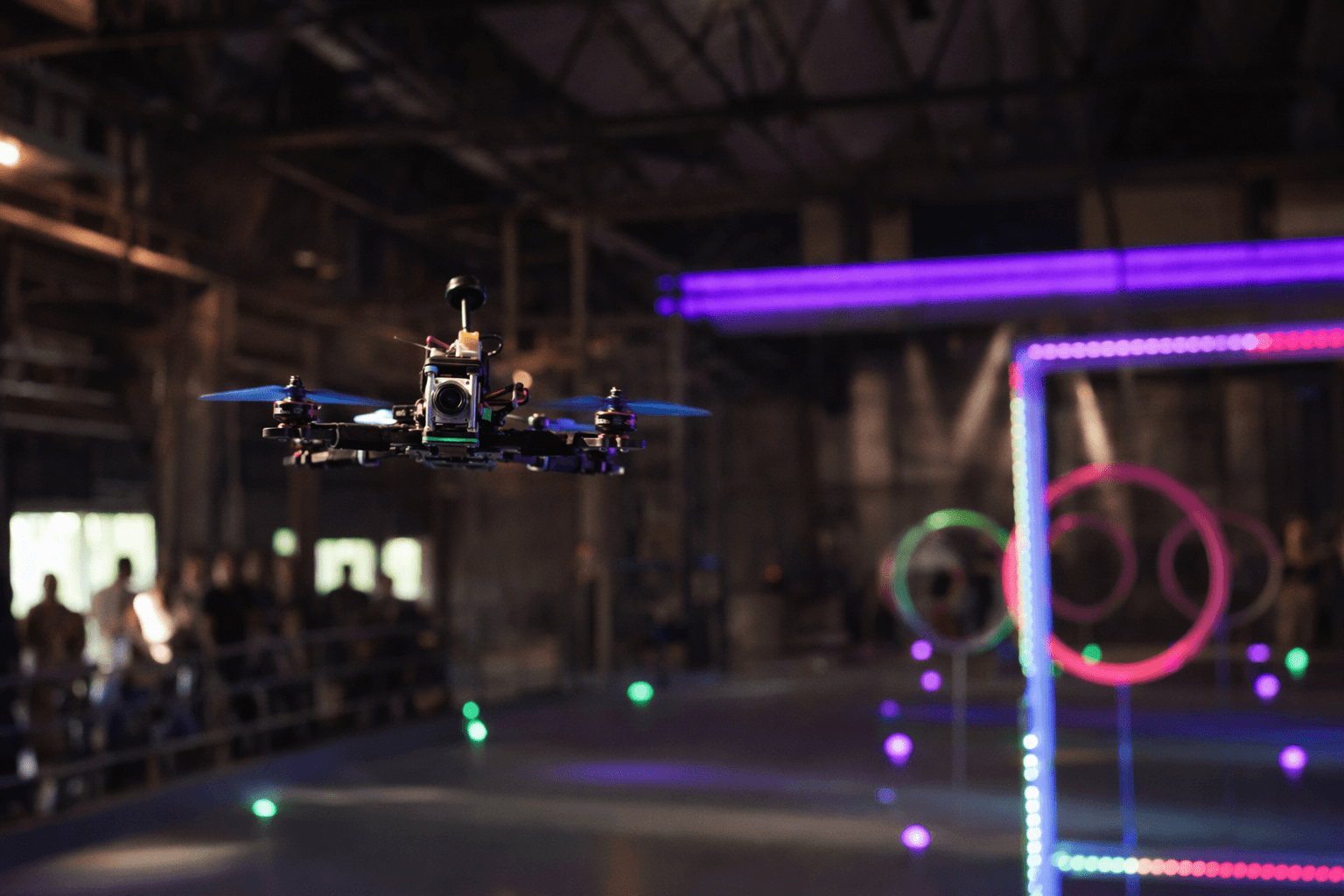
FPV India says its goal is to make FPV racing more accessible and widely available in India. That line is doing a lot of work, because accessibility in drone racing is not just about cost. It is about knowing where to go, who to register with, and how to prove you belong. A recurring calendar backed by standings and event access is the most practical way to lower that barrier.
The scene has already moved beyond theory
This is not a concept born in a presentation deck. FPV India says the chapter was founded during the COVID-19 pandemic by pilots who discovered drone racing during that period, and that Indian pilots have gone on to represent the country at national and international events. That timeline tells you the sport’s rise is tied to the post-pandemic maker and aviation boom, not to some long-established legacy system.
The event archive backs that up with hard dates and venue names. FPV India lists AEOLUS’23 BITS and BITS DRL’s first edition on November 3-4, 2023, at BITS Pilani Hyderabad Campus. It also records India’s first Whoop Spec Race on December 17, 2023, at T-Works in Hyderabad. The race used 1S FPV whoop drones weighing less than 50 grams, which shows the league is already organizing events by class and format, not just throwing open practice sessions into the wind.
That kind of detail matters to racers. Class-specific racing creates cleaner comparisons and a fairer ladder. A whoop race is not the same thing as a larger open-class FPV event, and treating them separately helps the sport mature. It also gives newer pilots a more realistic entry point, because smaller drones and controlled formats tend to be more approachable than full-speed open racing.
Hyderabad is becoming the sport’s proving ground
The local ecosystem helps explain why this has momentum. T-Works describes itself as India’s largest prototyping centre and an initiative of the Government of Telangana. That puts FPV racing in the middle of a broader innovation culture, where engineering, experimentation, and hardware events already have a home.
Maker Faire Hyderabad 2023, held on December 16-17, reportedly drew more than 30,000 enthusiasts and included drone racing among its activities. That is a huge crowd for a maker event, and it tells you the audience for FPV is bigger than the small circle of dedicated pilots. In a city where prototyping, robotics, and hands-on tech culture already overlap, drone racing has a natural runway.
That is also why the league’s location matters. With ties to Gummadidala, Secunderabad, and Hyderabad, FPV Racing India is not trying to build a scattered national brand from nowhere. It is anchoring the sport in a region that already understands live technical events, hands-on competition, and public-facing innovation.
The rules backdrop is part of the story
Any organized drone-racing ecosystem in India has to sit inside civil aviation rules, and the Ministry of Civil Aviation’s Drone (Amendment) Rules, 2023 are part of that backdrop. The Directorate General of Civil Aviation remains the national aviation regulator, which means the sport’s growth depends on competition, safety, and compliance moving together.
That is one more reason the league model matters. A sport that wants to scale cannot survive on improvisation alone. It needs venues, scheduling, identity systems, rankings, and a clear relationship with regulation. FPV Racing India is trying to build that infrastructure layer now, before the sport fragments into isolated pockets of talent.
The real story is not that India has drone racers. It is that India may finally be building the machinery that turns drone racers into a lasting competitive class.
This article was produced by Prism’s automated news system from verified source data, official records, and press releases, then run through automated quality and moderation checks before publishing. The system is built and supervised by the people who set the standards it runs under. Read our full AI policy.
Did this article answer your question?