GEPRC Racer targets serious FPV pilots with purpose-built race design
GEPRC’s Racer is built for gate-to-gate speed and faster pit returns, with 6S power, a 208mm frame, and quick-release arms for serious open-class racing.
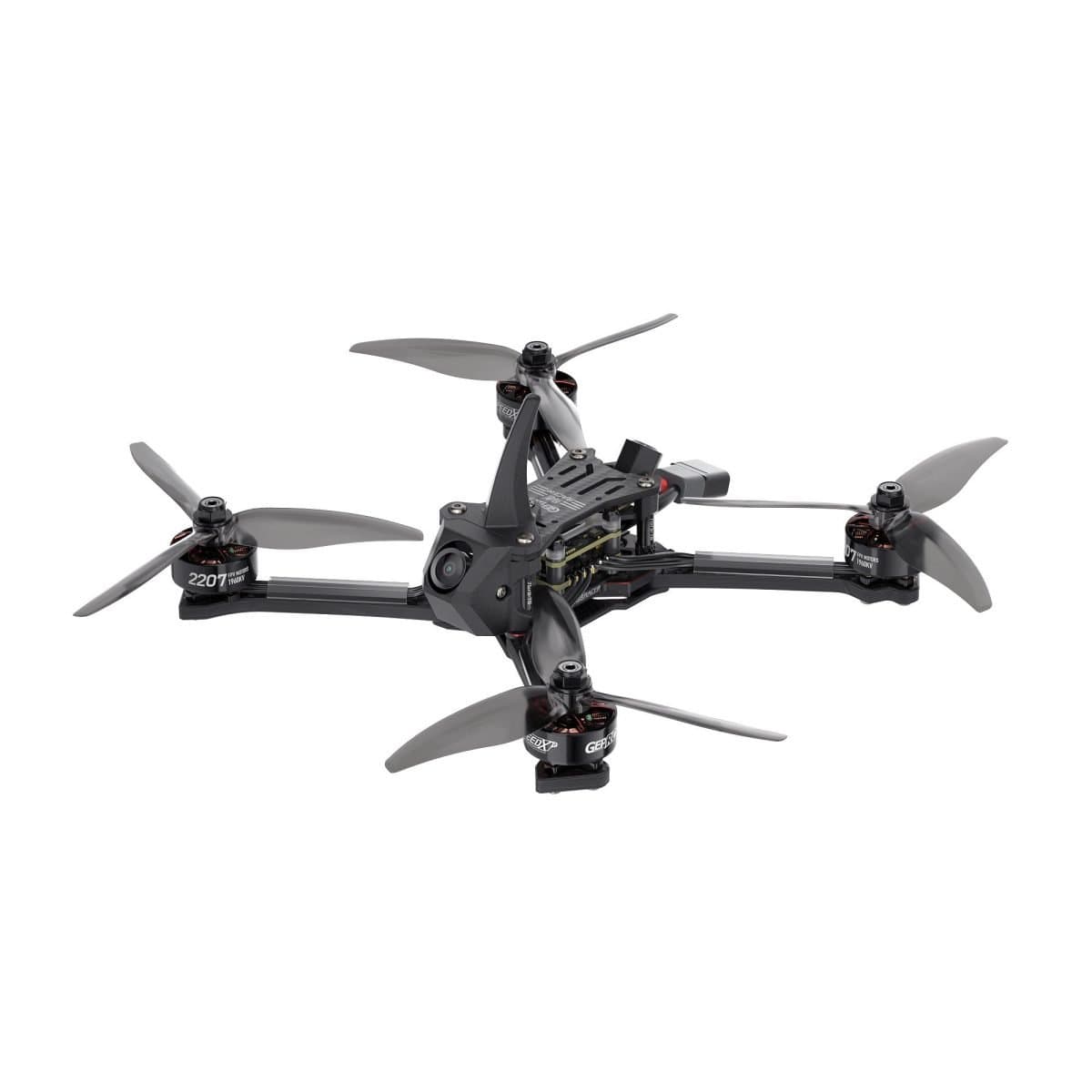
GEPRC’s Racer is built like a response to race-day reality: hit the gate hard, survive the mistake, and get back on the line before the next heat starts. The pitch is not “good at racing and freestyle,” which is the usual compromise. It is a purpose-built competition quad with a 208mm wheelbase, 6S power, and a layout that puts acceleration and repair speed ahead of everything else.
A frame that chooses race pace over compromise
The Racer’s identity starts with the frame. GEPRC uses 7075-T6 aviation aluminum alloy splints paired with T700 carbon plate, a combination meant to keep the structure light, stable, and rigid under load. That matters because a race quad does not win points for feeling plush in the air. It needs to hold a line through a gate sequence, shrug off hard throttle punches, and stay predictable when the pilot is leaning on it lap after lap.
The dimensions tell the same story. GEPRC gives the frame 5mm arm plates, a 2mm top plate, and a 2mm bottom plate, which is a practical race build rather than a weight-weenie experiment. The full build comes in at about 279 to 281 grams depending on the motor choice, so the platform stays in the range serious open-class racers expect while still giving the structure enough meat to absorb contact.
The power setup is aimed at acceleration, not content flying
Under the hood, GEPRC centers the Racer on its TAKER F722 E55A stack, and the motor options make the intent even clearer. The chassis is offered with either GEPRC SPEEDX2 2207 2050KV motors or TMOTOR F60PROV 2020KV motors, both tuned for a high-power 6S setup built for aggressive gate-to-gate flying. That is not the motor map you choose if smooth cruising or cinematic hovering is the priority.
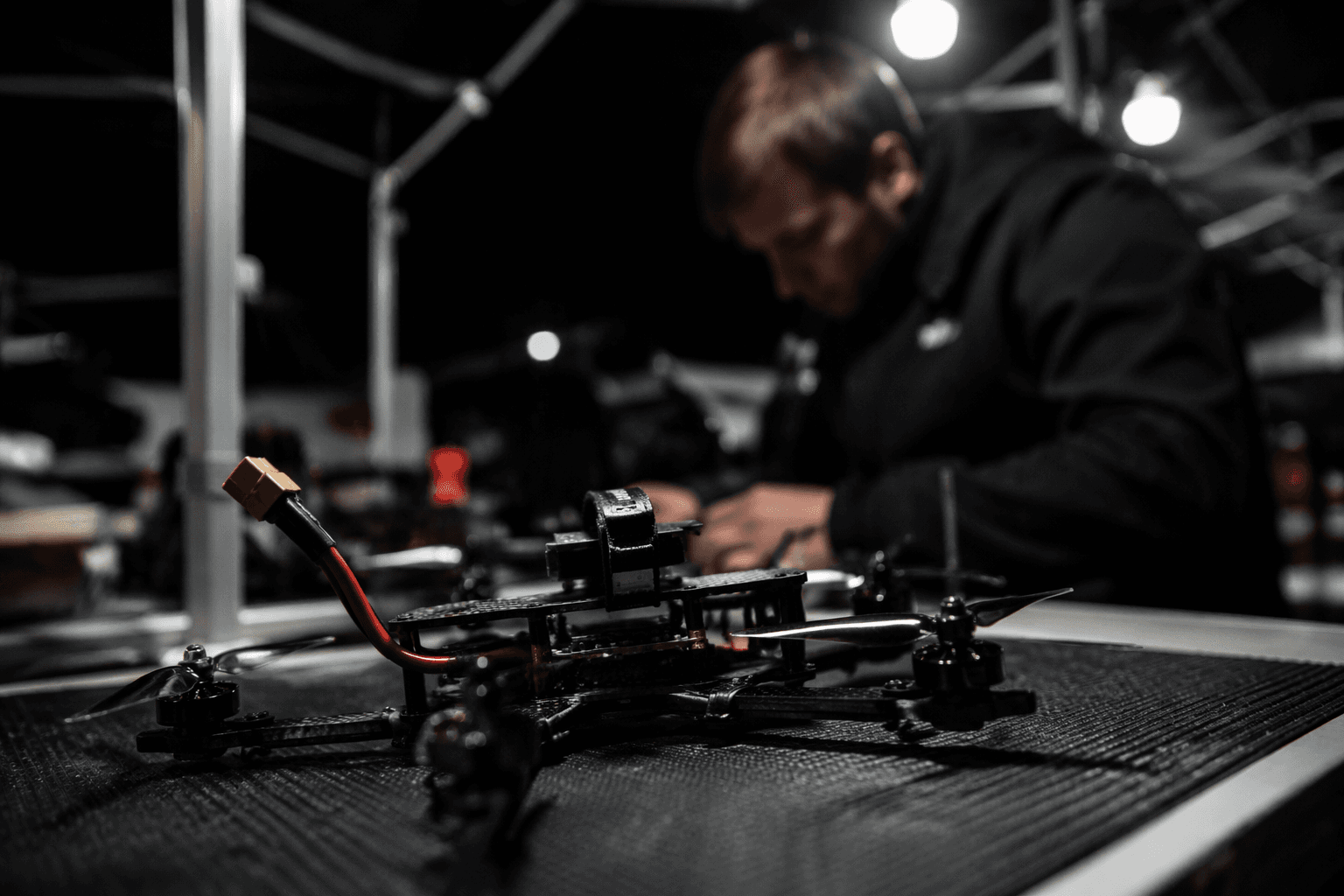
The recommended battery range, 6S 1300 to 1500mAh, reinforces that this is a full-size race machine built to deliver stable power and crisp response. In plain race terms, that means a pilot gets the punch needed to launch out of corners and recover speed after a poor exit, without dropping into the softer, looser feel that can blur lap consistency. For racers who are chasing repeatable split times, that kind of power delivery matters more than headline thrust numbers.
The electronics are conventional for a reason
GEPRC did not clutter the Racer with exotic hardware or niche tricks. The electronics list includes an MPU6000 gyro, AT7456E OSD, a 5.8G 400mW VTX, and Runcam Nano4 camera hardware. That is a classic race stack, the kind of setup built for reliable input, readable video, and low-drama operation when the pressure rises.
The value of that approach is obvious in a race environment. The MPU6000 gyro remains a familiar choice for pilots who care about clean handling, while the AT7456E OSD keeps the data visible without turning the build into a lab project. The 5.8G 400mW VTX and Runcam Nano4 keep the platform squarely in conventional FPV racing territory, where consistency and repairability matter more than trying to reinvent the airframe on race week.
Where the Racer tries to win the pit lane
The most interesting parts of this build are the ones that matter after contact. GEPRC highlights an anti-turtle shark-fin support and a quick-release arm design, both of which are direct answers to the real cost of racing: lost time between heats. If a quad can be righted faster and an arm can be swapped faster, the pilot does not just save hardware, they save a round.
That is where the Racer separates itself from the freestyle-race hybrids many pilots already use. Hybrid quads often try to balance race pace with freestyle resilience or camera-friendly flight characteristics, but that balance usually costs either outright speed or serviceability. GEPRC’s design leans harder into race-day utility, and that choice makes sense for pilots who expect multiple heats, close traffic, and enough crashes that maintenance speed is part of the competitive edge.
Who actually gets the advantage
The Racer is aimed at open-class pilots who already know what they are giving up when they move away from a hybrid build. If your racing style is aggressive and you trust throttle authority more than soft handling, the 2207 2050KV and 2020KV options give the kind of punch that helps on launch gates and fast transitions. If your biggest weakness is downtime, the quick-release arm layout and anti-turtle support are not cosmetic extras, they are race tools.
This is also the kind of quad that fits a racer who wants a true competition-focused 5-inch option without chasing a build that moonlights as a freestyle rig or a digital content platform. GEPRC is keeping a straightforward race quad in a market that keeps drifting toward cinewhoops and creator-first hardware, and that alone makes the Racer stand out. For pilots who care about acceleration, repeatability, and getting back into the next heat with minimal drama, the design reads like a direct answer rather than a compromise.
This article was produced by Prism’s automated news system from verified source data, official records, and press releases, then run through automated quality and moderation checks before publishing. The system is built and supervised by the people who set the standards it runs under. Read our full AI policy.
Did this article answer your question?


