Iran-Backed FPV Drones Hit U.S. Black Hawk, NASAMS Radar in Iraq
An Iran-backed militia struck a parked Black Hawk helicopter and a NASAMS radar at Iraq's Victory Base Complex with FPV drones — possibly the first successful FPV strike on a U.S. aircraft.

Short-range kamikaze drones operated by an Iran-backed militia appear to have successfully targeted a U.S. military Black Hawk helicopter and a critical air defense radar at an American base in Iraq. The footage, released March 24, cuts to the bone of a debate that has shadowed U.S. force protection for years: this is the first known example of a successful attack of this kind on a U.S. military aircraft.
The location has been identified as the Victory Base Complex (VBC), a cluster of U.S. military installations surrounding Baghdad International Airport close to the Iraqi capital. Video footage circulating online shows a drone hitting a U.S. helicopter identified as a UH-60M Black Hawk while it was stationed on a landing pad. The FPV feed gives an unobstructed pilot's-eye view of two Black Hawks sitting in a compound, and no traces of interception attempts or any personnel were observed; however, it appears the drone flew into the rotor, so it remains unknown whether serious damage was inflicted.
The aircraft identification is itself a point of contention. Part of the helicopter is blurred in the footage, which analysts say can be explained by an attempt to hide symbols on the fuselage depicting a red cross, the symbol of medical transport. Helicopter elements from the video generally resemble the HH-60M, a specialized medical evacuation version. OSINT analyst Evergreen Intel wrote: "Noticing they [militia] blurred out a portion of their attack video (green). I think they were trying to hide the fact they attacked a medevac helo. Note white mark circled in orange."
The United States military has not publicly confirmed the extent of damage or whether the aircraft was operational at the time of the strike.
The helicopter was not the only target. The second video shows a container-based AN/MPQ-64 Sentinel radar, a system used to alert and cue short-range air defense weapons including the National Advanced Surface-to-Air Missile System (NASAMS). The radar was in operating mode, its antenna clearly rotating, when the drones struck. Unlike the helicopter footage, in this case there is objective control footage after the strike showing the burning radar, and various sources note that several drones were used simultaneously. The AN/MPQ-64 Sentinel, depending on version, has an instrumental range of up to 120 km.
The attack marks a tactical escalation as Kataib Hezbollah utilizes fiber-optic technology to evade electronic jamming. Earlier in March, Kataib Hezbollah released similar footage of a drone conducting reconnaissance inside the base before detonating on a structure, marking what analysts described as the group's first successful use of fiber-optic-guided FPV drones to evade electronic jamming.
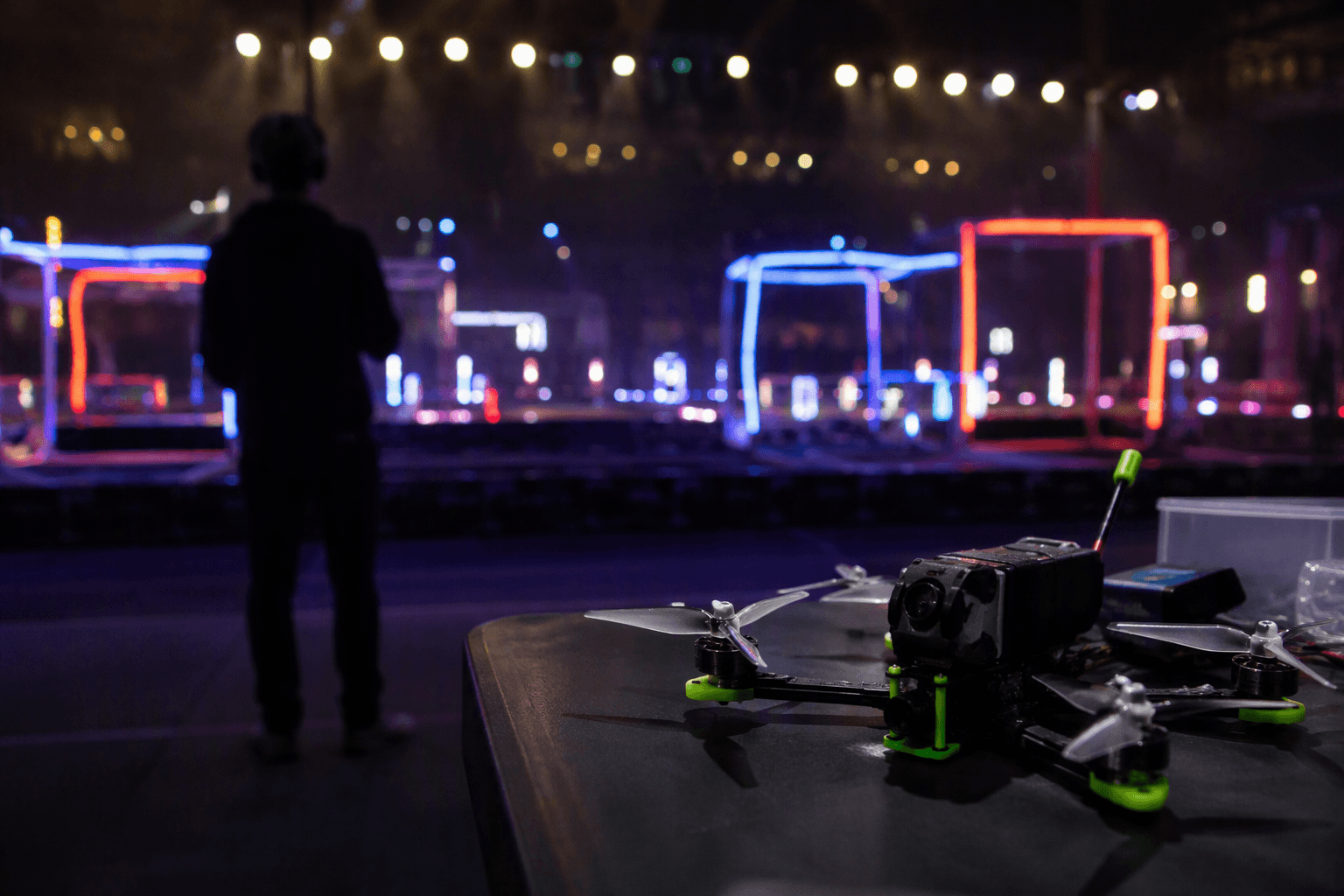
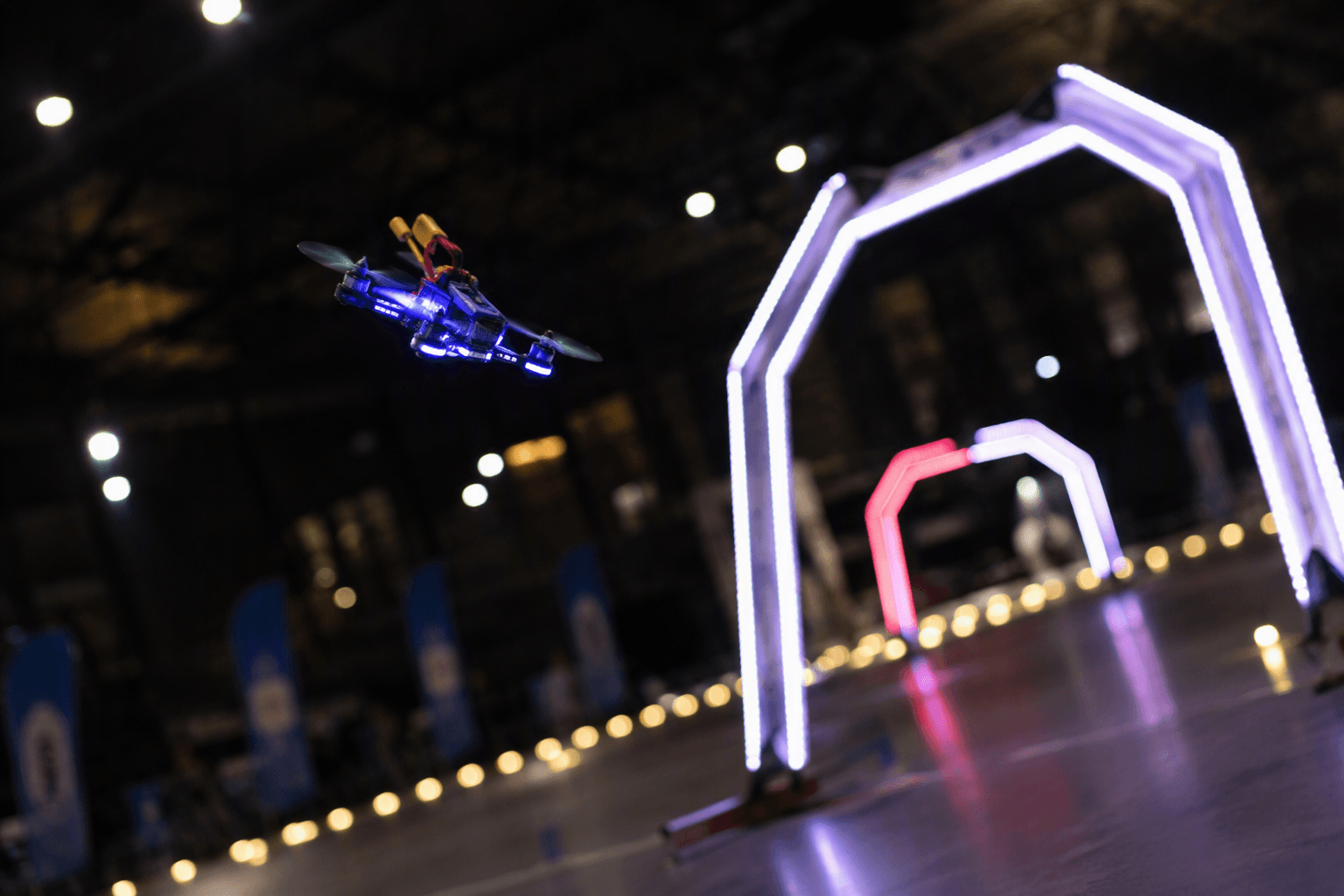
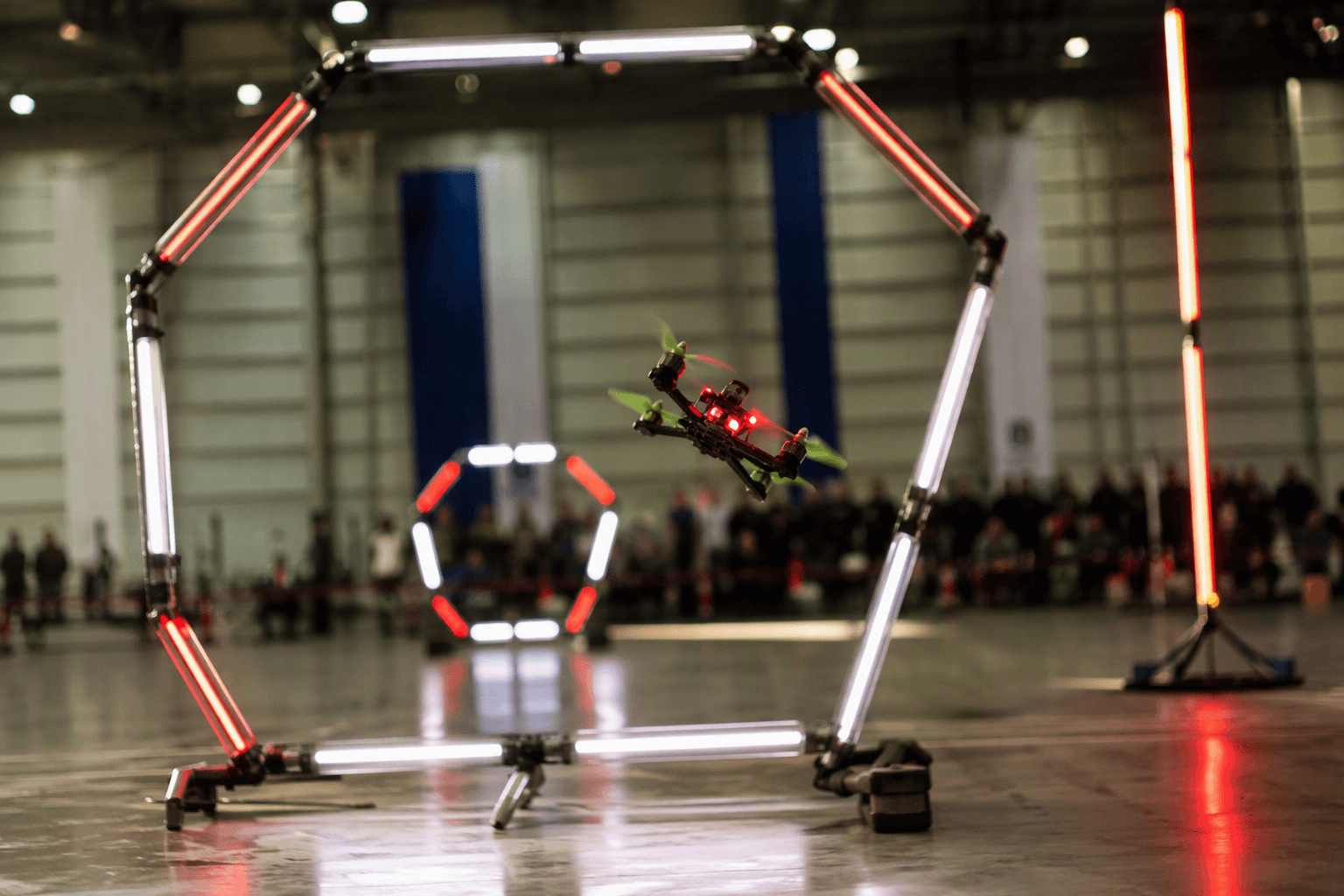
FPV drones used in such attacks are typically modified commercial or semi-custom platforms equipped with explosive charges; operators guide the drone in real time using onboard cameras, allowing for precise targeting of stationary or slow-moving objects. These drones can be launched from relatively short distances and are difficult to detect due to their small size and low radar signature. A single drone costs just a few hundred dollars, while a single AN/MPQ-64 Sentinel radar could cost as much as $7 million, and the UH-60M Black Hawk could cost as high as $25 million.
This is another proof that the U.S. hasn't managed to adapt to countering FPV drones, Defense Express noted in its March 25 reporting, adding that the implications sharpen further given Americans are preparing for a ground operation in Iran, where the threat from FPV drones will certainly be higher. The cost asymmetry alone, a $500 drone disabling a $25 million aircraft or a $7 million radar inside a defended perimeter, makes the Victory Base Complex footage more than a battlefield curiosity. It is also not the first time evidence of these kinds of drones zipping over the same installation has emerged in recent weeks, suggesting pattern, not improvisation.
This article was produced by Prism’s automated news system from verified source data, official records, and press releases, then run through automated quality and moderation checks before publishing. The system is built and supervised by the people who set the standards it runs under. Read our full AI policy.
Did this article answer your question?