JR East expands Drone DX Championship 2026 with rail-tech showcase
JR East is turning drone racing into a rail-tech demo, with 32 teams, free admission and courses built around tracks, wires and towers.
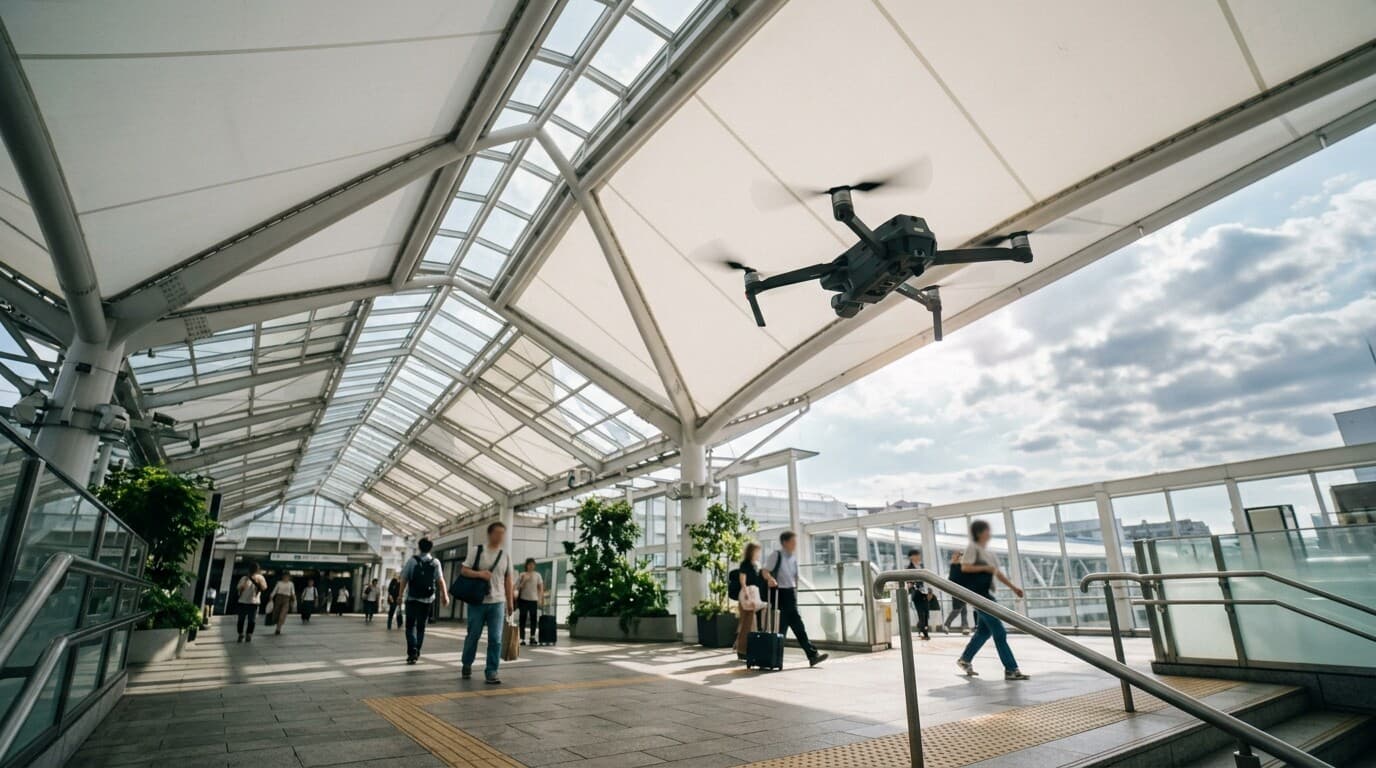
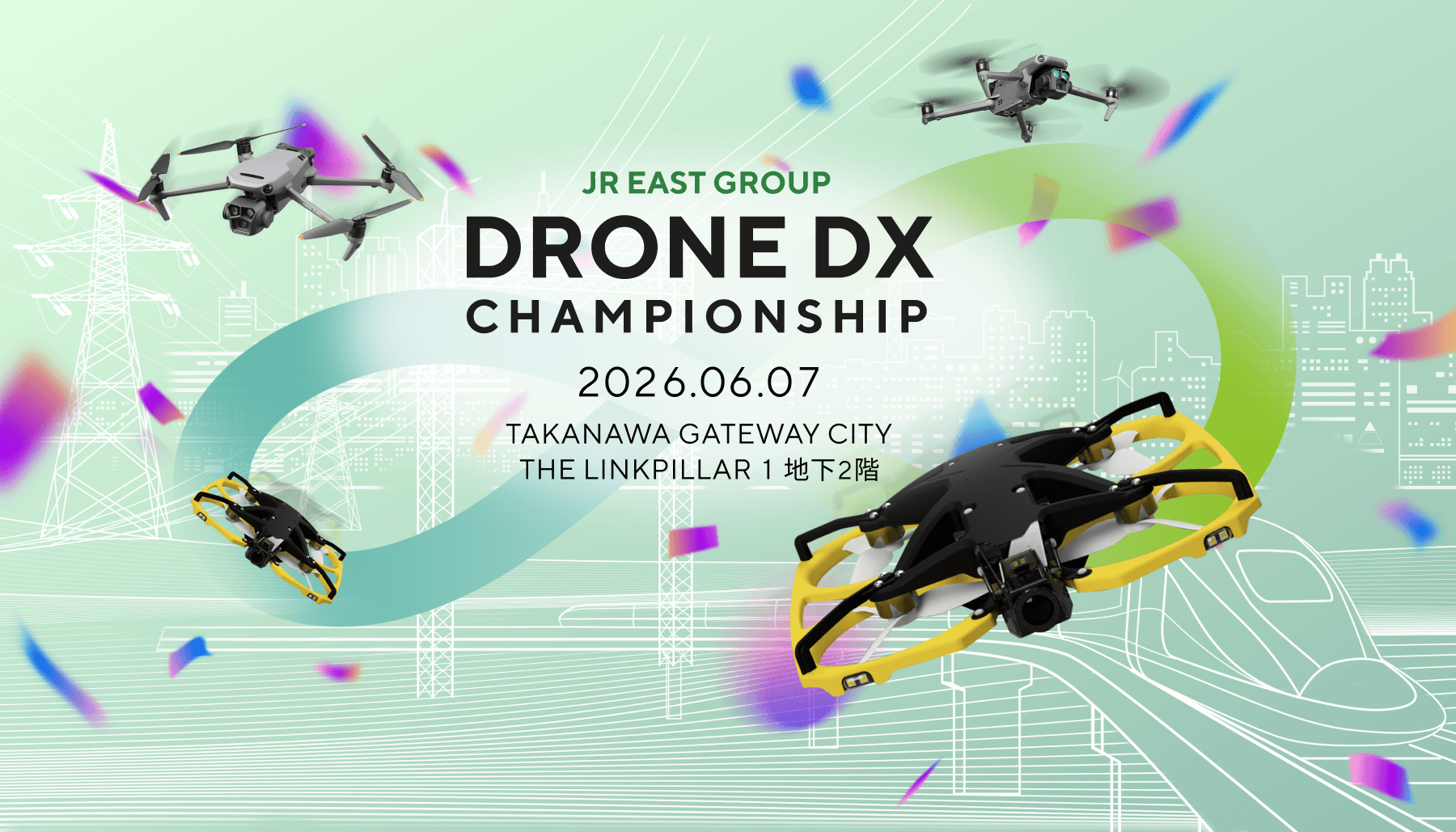
Drone racing is becoming JR East’s public-facing case study for railway modernization, with 32 teams set to fly through infrastructure-themed courses at Takanawa Gateway City and a free, reservation-free crowd expected to watch the action on Sunday, June 7, from 11:20 to 17:00. The event’s appeal is obvious enough for sports fans: speed, precision and tight margins. But the larger point is that JR East is using the spectacle to show how drones can inspect the steel, wiring and enclosed spaces that keep its network moving.
This is the second Drone DX Championship, and JR East has widened it far beyond a station-model showcase. The 2026 edition brings in 15 companies across rail, energy, communications and manufacturing, with entries split into two 16-team cups. The new Railway Tech Skills Cup will feature JR East’s 14 departments alongside JR West Group and JR Kyushu, while the IBIS2 Master Cup will again center on the inspection drone IBIS2 Assist and tests of speed and control in confined spaces.
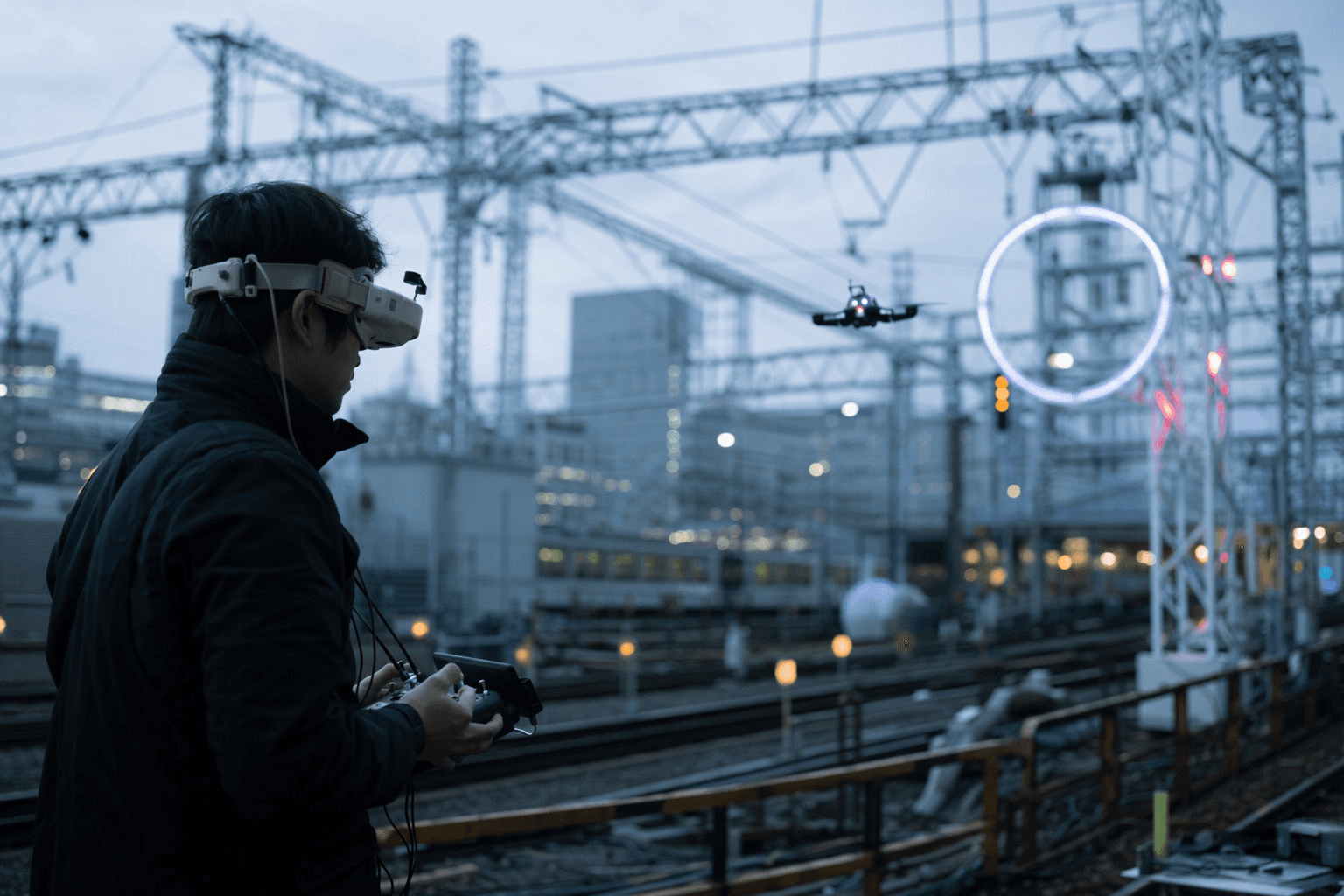
The course design makes the business case visible in real time. JR East’s event page describes slalom sections built around steel-tower and catenary-pole models, plus AR-marker photo missions in the Railway Tech Skills Cup. The IBIS2 Master Cup course goes even further, with a train-car slalom zone, a 90-centimeter-high underground-pipe route about 16 meters long, and a dark ceiling-space inspection section. Add concept drones, dioramas, VR, toy-drone flight and exhibition flights, and the event starts to look less like a private engineering demo and more like an open-house for industrial drone adoption.
That framing fits JR East’s wider safety strategy. The company says it has run five-year safety plans since 1988, is now on its eighth plan under Group Safety Plan 2028, and has invested about 5.5 trillion yen in safety since its founding. With roughly 15.5 million passengers a day, the company has a lot riding on faster, safer inspection and recovery tools. In March, JR East announced a trial on the Yamanote Line of an AI-and-drone inspection and response system designed to cut service restoration time by about 30 percent after incidents, pushing drones from the exhibition floor into actual maintenance work.
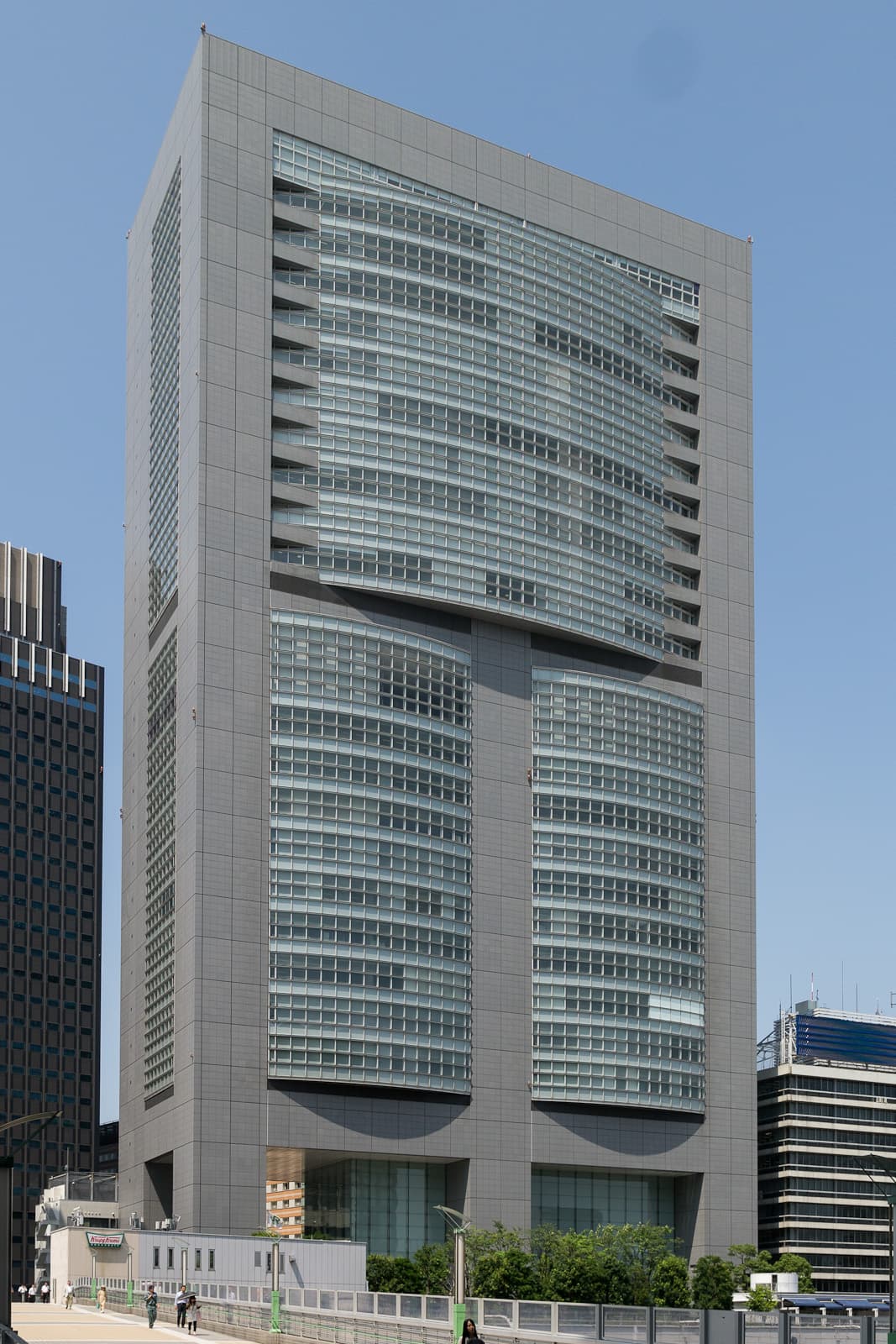
That is why the Drone DX Championship matters beyond its racing bracket. The show is staged at Takanawa Gateway City, a new urban district JR East wants to use as a Global Gateway, and the event sits inside a broader industry conversation that UN ESCAP has been mapping since its 2019 paper on drones in railway inspection. The sport gives JR East a crowd-pleasing language for a hard infrastructure story. The unanswered question is whether that language grows drone racing’s legitimacy, or whether the races mainly serve as the most polished branding vehicle yet for industrial drone deployment.
This article was produced by Prism’s automated news system from verified source data, official records, and press releases, then run through automated quality and moderation checks before publishing. The system is built and supervised by the people who set the standards it runs under. Read our full AI policy.
Did this article answer your question?