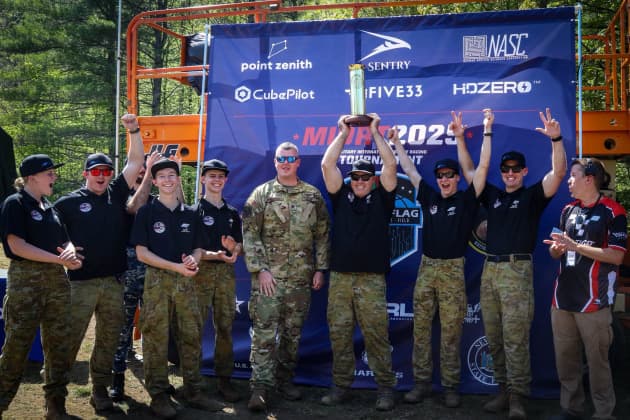
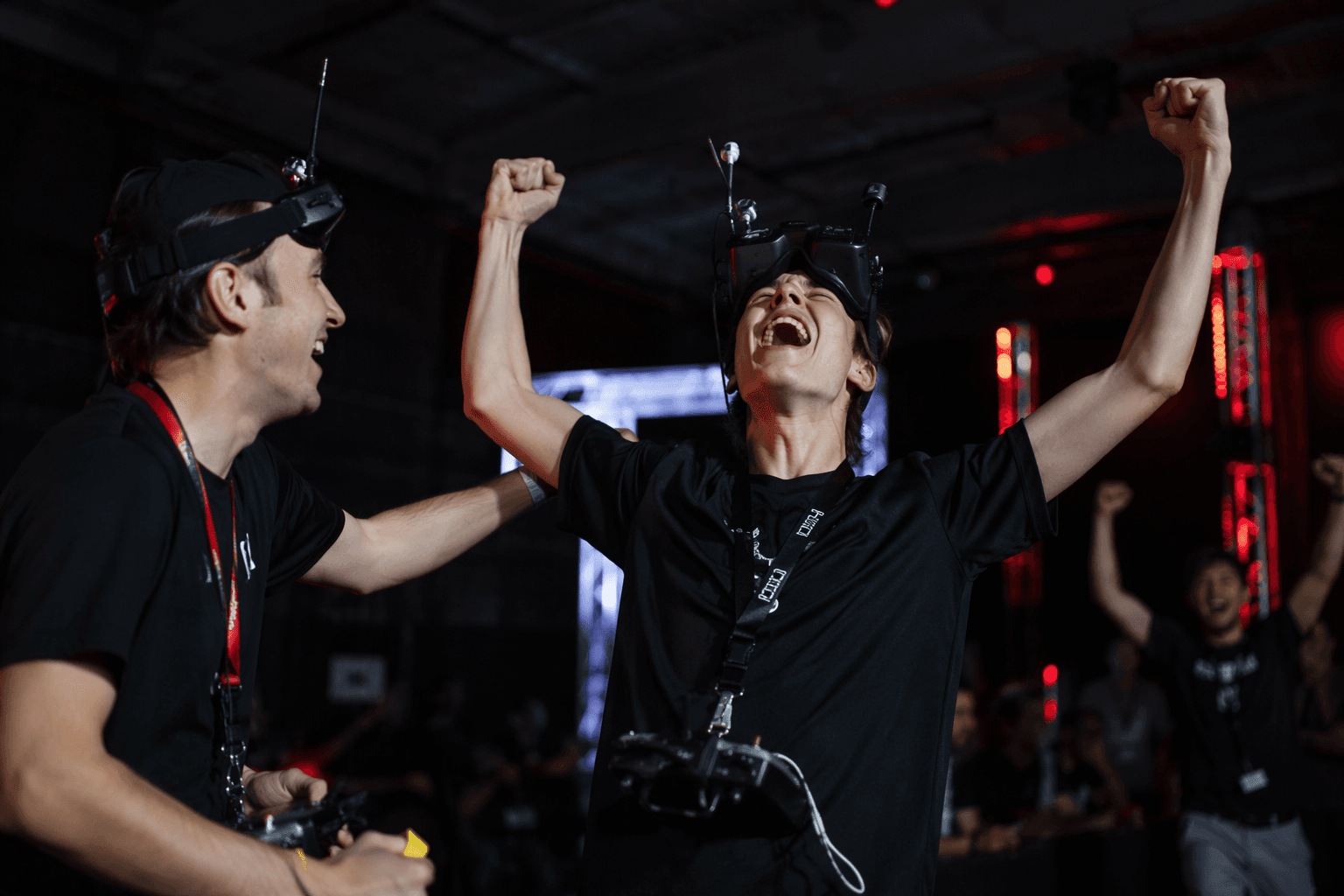
Kopin lands $3.2 million FPV order, eyes 40,000 goggles by 2028
Kopin’s $3.2 million FPV order puts a defense optics player squarely in drone goggles, with a path to 40,000 units by 2028.
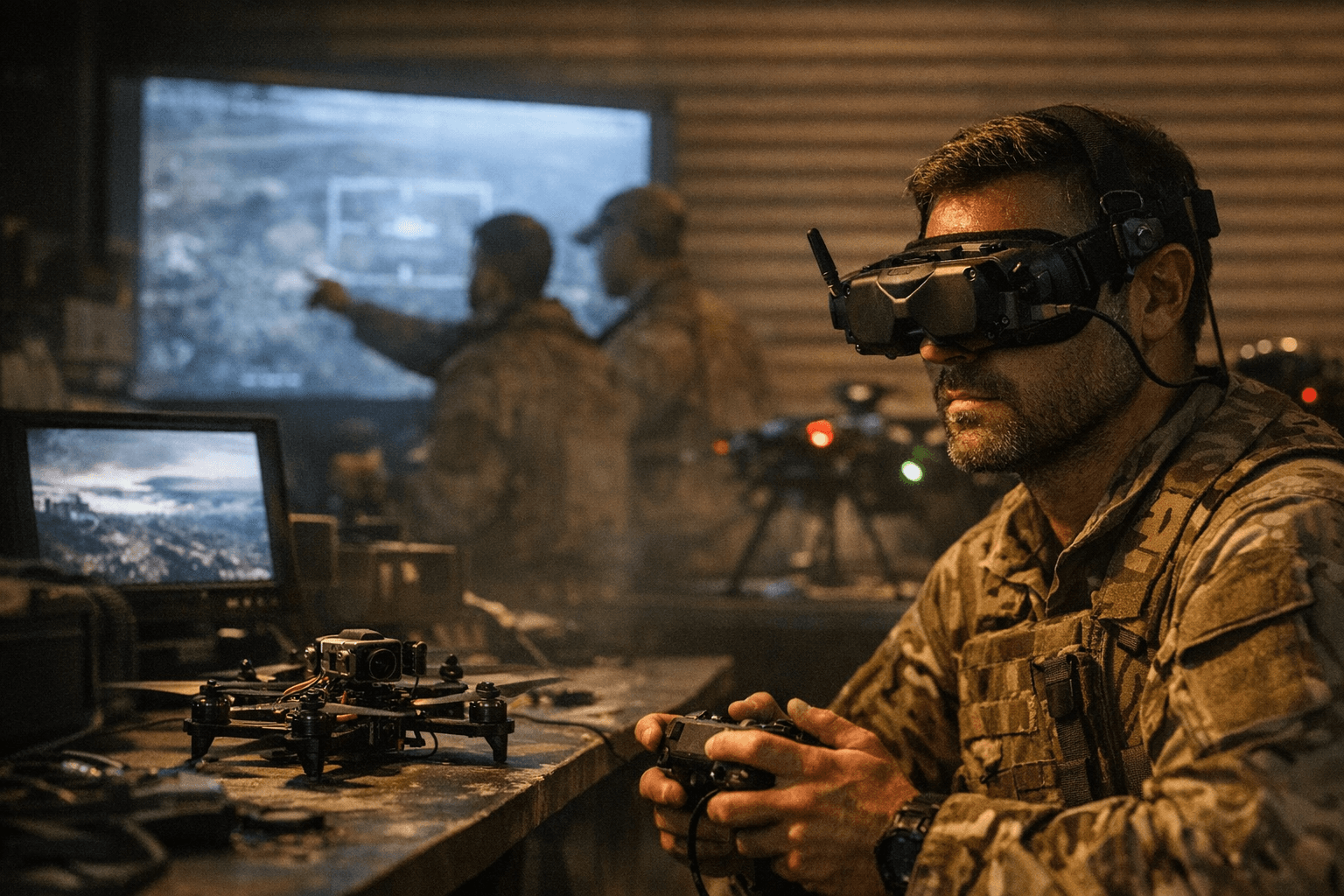
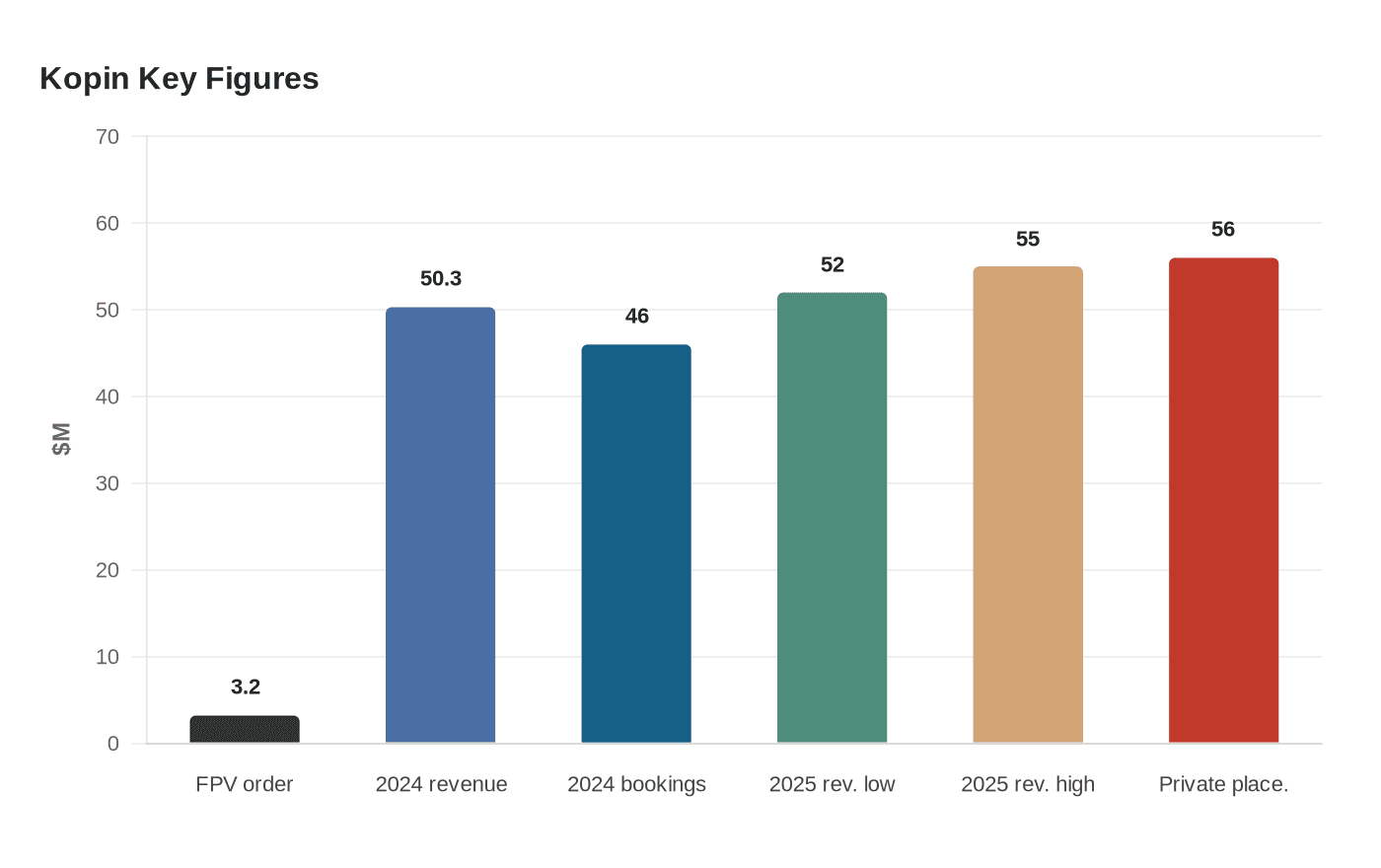
Kopin’s $3.2 million initial order is the kind of number that changes how the FPV market is read. What had often looked like a niche accessory lane for drone racers now has a mainstream optics supplier Westborough, Massachusetts, stepping in with a program that could reach 40,000 goggles by the end of 2028.
The company said the order supports a next-generation FPV goggle system built around its Sentinel FPV concept, a monocular or binocular setup using high-performance OLED microdisplays. Kopin is pitching the system for military and tactical operators, not hobby pilots, but the underlying hardware stakes are the same ones racers care about most: sharper image clarity, lower perceived lag, better optical comfort and a headset that can stay usable through a long session. In a sport where a fraction of a second can decide a pass or a crash, display quality is no longer a side issue. It is performance equipment.
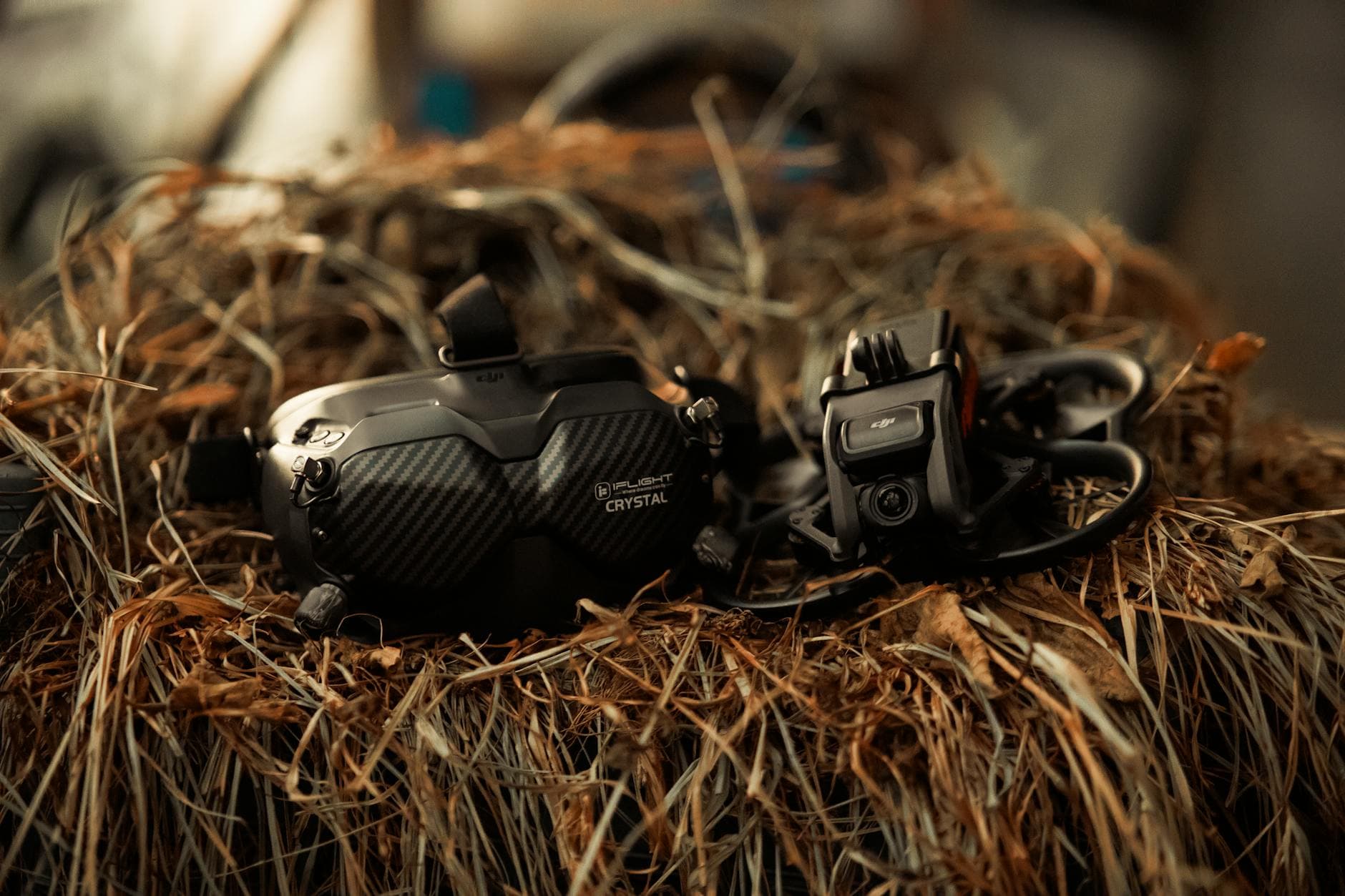
Kopin also says Sentinel is built around a Dual Situational Awareness concept meant to let operators keep track of the surrounding environment while watching the drone feed. That feature is aimed at mission-critical use, yet it points to a broader shift in the FPV ecosystem. The line between defense optics, training hardware and race-day gear keeps thinning, and each new entrant with serious display engineering raises the pressure on rivals to match not just price, but visual fidelity and headset ergonomics. For racers, that can mean better hardware. It can also mean a more expensive arms race.
The order lands as Kopin tries to accelerate a business already leaning hard into defense and microdisplay programs. The company reported full-year 2024 revenue of $50.3 million, up 24.6% from 2023, with bookings at a record $46 million and 2025 revenue expected between $52 million and $55 million. On March 27, 2026, it said it completed a $56 million private placement. In September 2025, it also disclosed a $15.4 million OTA from the Office of the Secretary of Defense through the U.S. Army Contracting Command for Color MicroLED development. Kopin says it has more than 40 years of experience and more than 400,000 defense vision systems fielded.
The timing matters because FPV itself has long since moved from curiosity to competitive infrastructure. The Drone Racing League was founded in 2015, publicly launched in 2016 and staged its first race, Level 1: Miami Lights, at Sun Life Stadium in Miami. At the same time, Federal Aviation Administration recreational rules still require drones to remain within visual line of sight. That tension between what racers want and what regulators allow is exactly why headset innovation keeps drawing money. Kopin’s move suggests the next fight in drone racing may be over the window the pilot looks through, not just the machine in the air.
This article was produced by Prism’s automated news system from verified source data, official records, and press releases, then run through automated quality and moderation checks before publishing. The system is built and supervised by the people who set the standards it runs under. Read our full AI policy.
Did this article answer your question?