Kyiv drone racing final showcases student talent and combat-linked hardware
KAI DRC-1 won Kyiv’s student FPV final in 36.41 seconds, turning a 30-team race into a talent pipeline built on combat-linked SHRIKE hardware.
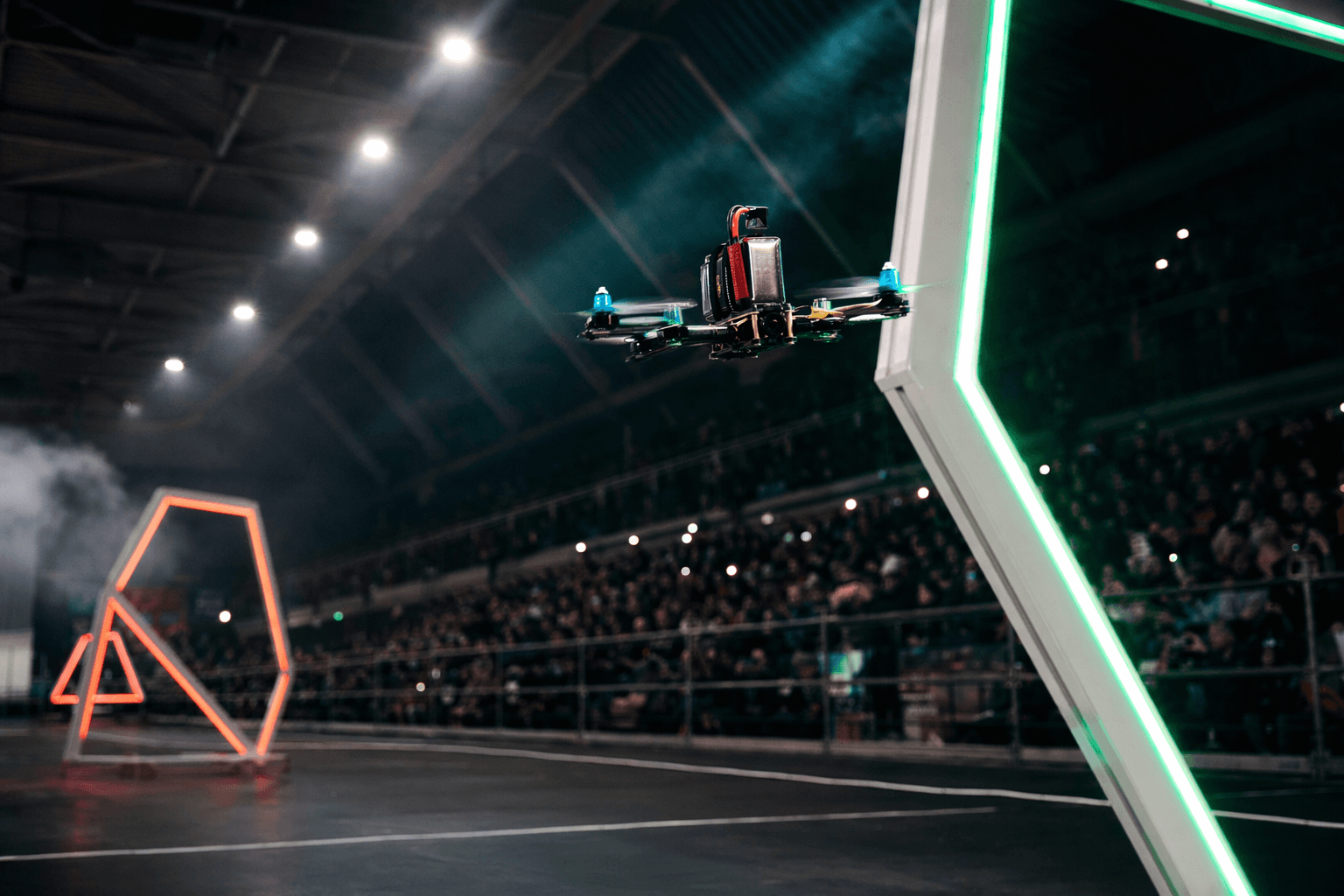
A 36.41-second lap through more than 10 obstacles made KAI DRC-1 the standard in Kyiv, where a student drone final doubled as a proving ground for the next wave of Ukrainian FPV pilots and defense-tech operators. The race at the National Aviation University Kyiv Aviation Institute brought together more than 30 teams and about 100 participants, giving the result real weight in a field where every gate, correction and throttle change mattered.
KAI DRC-1 won the final, with PROFPV from Kyiv Polytechnic Lyceum taking second in 41.06 seconds and KAI DRC-4 finishing third in 43.96. On a short FPV course, those gaps are more than margin of victory: they reflect cleaner lines, sharper control and fewer mistakes under pressure. That is the same kind of precision that separates elite drone racers from the rest of the field, and it is exactly why this final mattered beyond the podium.
Every team flew SHRIKE FPV drones supplied by SkyFall, a setup that made the event stand out from a standard school competition. The SHRIKE line is tied to both racing and combat use, so the students were not simply testing hobby equipment. They were handling hardware that sits directly on the border between sport and wartime utility, with SkyFall Academy developing the technical regulations and instructors, including experienced military drone operators, judging the final. One of them was an FPV pilot with the callsign Justin from the SBS RAROG brigade.
The event was initiated by Kyiv Aviation Institute, SkyFall and LAB418, with support from the Ministry of Education and Science of Ukraine. Kseniia Semenova said the university wants students working with technology and defense tech from their first year, and she said KAI and SkyFall are preparing a joint radio-frequency technology lab where students will study frequencies and signals on modern oscilloscopes and build their own projects. The winners also received advanced training on the P1-SUN FPV interceptor, while every team took home a SHRIKE drone for further training.
The timing matters. Ukraine’s Unmanned Systems Force was formally presented in June 2024 to recruit and train specialists and work with manufacturers, and the Ministry of Youth and Sports has recognized military-technological sports as a non-Olympic discipline. Zelenskyy granted Kyiv Aviation Institute national status in February, citing 450 companies already involved in the drone sector. Against that backdrop, Kyiv’s student final looked less like a novelty and more like a feeder system for a fast-growing industry, where the next standout pilot may emerge from a university course as much as from a race circuit.
This article was produced by Prism’s automated news system from verified source data, official records, and press releases, then run through automated quality and moderation checks before publishing. The system is built and supervised by the people who set the standards it runs under. Read our full AI policy.
Did this article answer your question?