Kyrgyz Border Service officer sets FPV drone racing world record
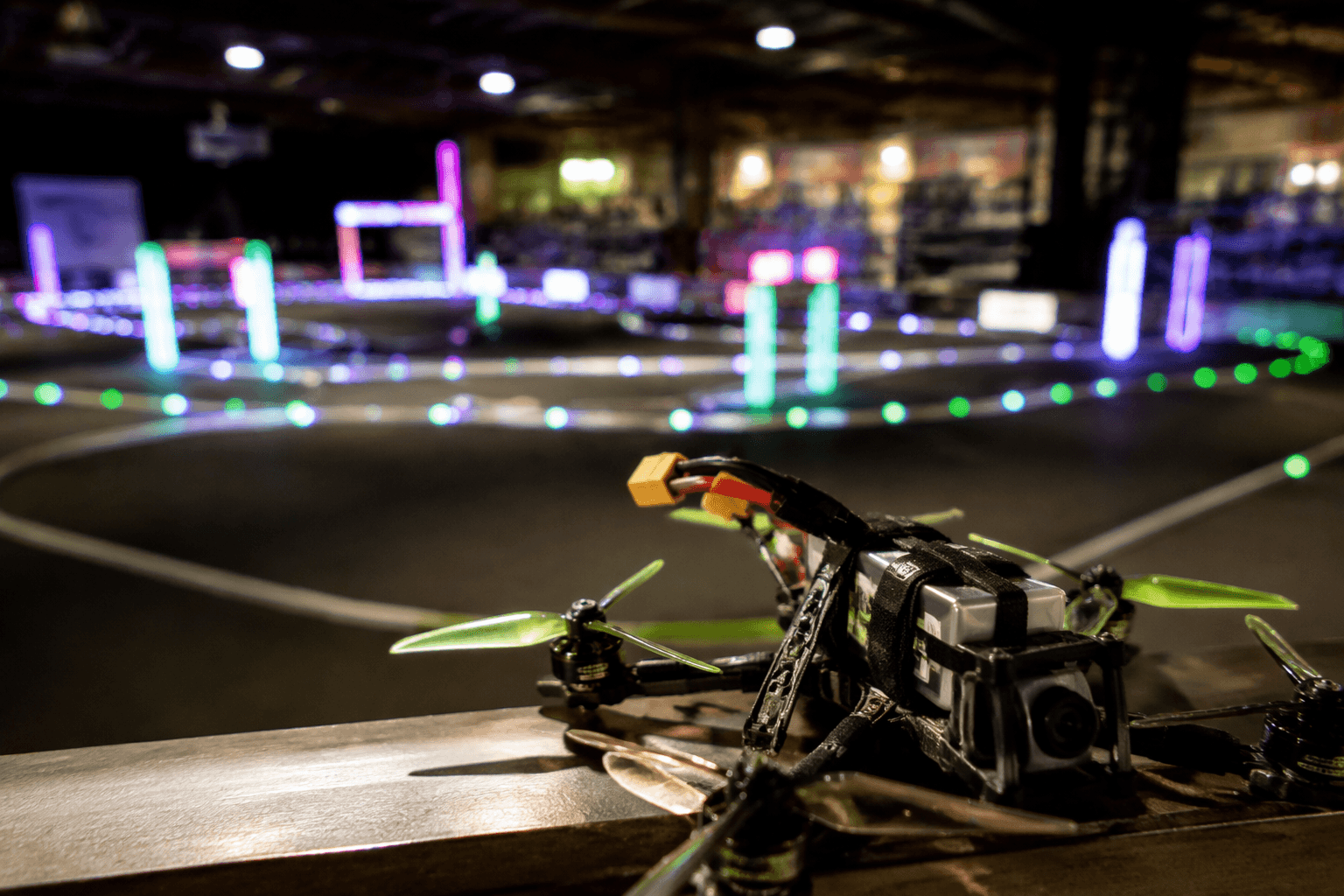
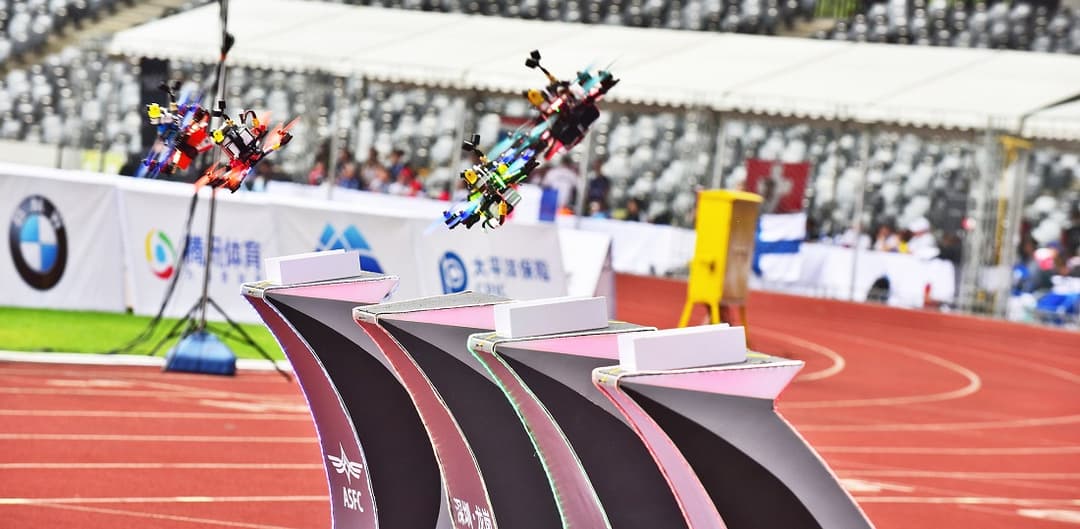
Temirlan Ibraimov, a Kyrgyz Border Service officer, set a virtual FPV drone racing world record of 31 seconds on Liftoff’s Hannover track.
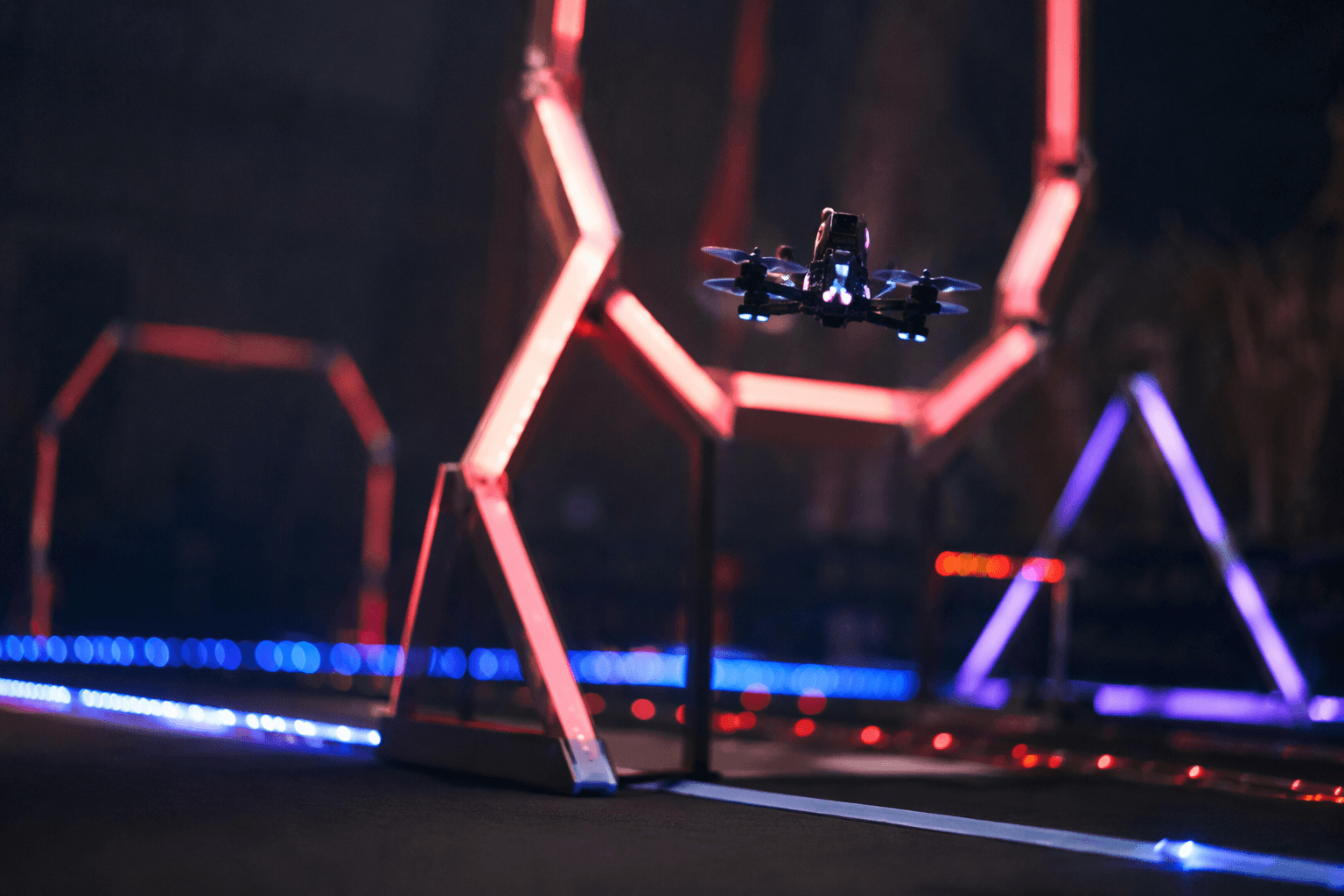
Temirlan Ibraimov pushed the benchmark in virtual FPV drone racing to 31 seconds on the Hannover track in the Liftoff FPV Drone Racing simulator, a world record set on July 4, 2026. The Kyrgyz State Border Service officer turned a simulator run into a competitive headline that reached far beyond the usual FPV circle, and the number now stands as the mark every serious virtual racer has to chase.
The record matters because it came from a format that tests the same traits elite pilots prize in live racing, hand-eye coordination, spatial awareness, racecraft and composure under pressure. On a technical track like Hannover, a 31-second lap leaves almost no margin for waste: every gate, turn and throttle input has to land cleanly for a run to hold together at record pace.
Ibraimov did not emerge from nowhere. He and serviceman Salamat Sadiev took part in the Open Kyrgyzstan Cup in virtual FPV drone racing on the same date, a detail that gives the record a competitive setting rather than the feel of a one-off exhibition run. That matters in a sport where credibility comes from results under race conditions, not just isolated simulator reps.
The broader signal for Kyrgyzstan is that the country’s FPV scene now has enough structure to produce and document elite performances. The Open Kyrgyzstan Cup shows an organized ladder, and Ibraimov’s record gives that ladder a headline result with national institutional visibility. The State Border Service publicized the achievement, and both Kabar and AKIpress identified him as the officer behind the new mark.
Simulator records do not settle every argument about live race supremacy, but they do tell you something useful about pilot readiness at the top end. A 31-second Hannover run is a clean measure of precision, timing and pressure handling, and in FPV, that combination travels well from the virtual lane to the real course.
This article was produced by Prism’s automated news system from verified source data, official records, and press releases, then run through automated quality and moderation checks before publishing. The system is built and supervised by the people who set the standards it runs under. Read our full AI policy.
Did this article answer your question?