Paliano Opens New Drone Racing Field, FPV School Blends Sport and Operations
Paliano’s new drone racing field pairs FPV lap training with operational drone work, turning a local track into a pipeline for racers and security pilots.
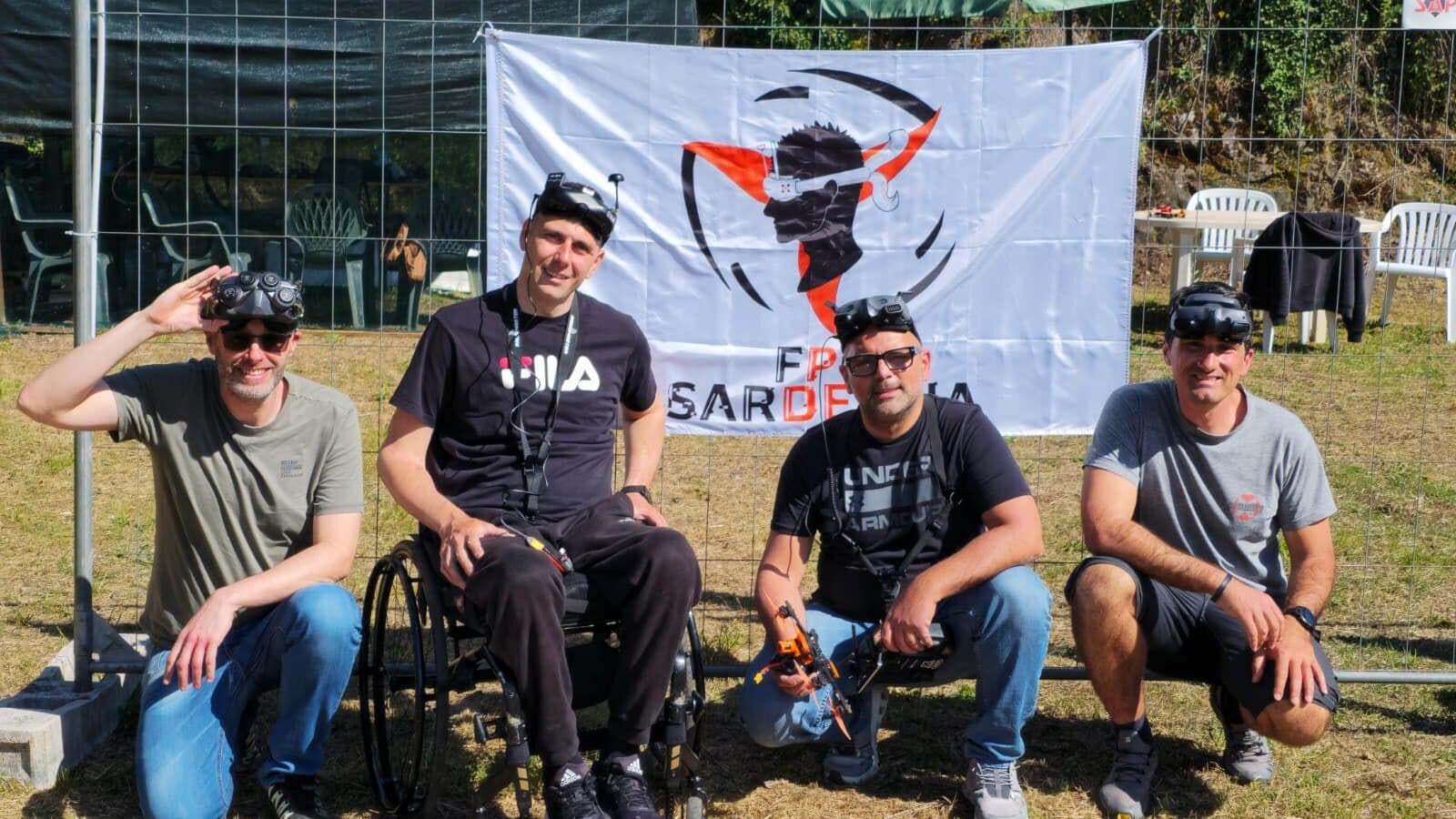
Paliano is getting more than a track. The new drone racing field and FPV school now taking shape there is designed to produce better pilots, faster race readiness and a working link between sport and field operations, with Ivan Pizzuti and Massimiliano Macera at the center of the build.
That is the real shift. The project is built for beginners, enthusiasts and experienced pilots, but it is also meant to train drones for territory monitoring, search support and other field work, which gives the school a practical edge a standard hobby course cannot match. Franco Aiello, president of FPV Sardegna, helped shape the effort into something more structured and ambitious, signaling that Paliano is being set up as a reference point rather than a one-off local circuit.
The setting matters too. The school will rise in a large green area that has been regenerated with support from SAP Edilizia e Ceramiche, tying the racing line to a physical space that can host practice, instruction and future events. Alessio Romani, one of the project leaders, pitched the investment as a bet on young people and on the area’s growth, and the longer-term plan is to expand into national-scale collaborations that can draw pilots and professionals from across Italy.
That broader ambition fits the rules now governing the sport and the technology around it. EASA says the open category is the main reference for most leisure drone activity and low-risk commercial flying, while ENAC says a remote pilot certificate is required for drones of 250 grams or more in that category. ENAC also requires operators to respect geographic zones and airspace restrictions before flight, which is why a controlled training field matters. EASA adds that insurance should match the type of drone activity being flown, another sign that FPV racing is moving deeper into a formal operating environment.
The Paliano project also arrives as drone training is gaining public-safety relevance in Lazio. Regione Lazio has already financed 155 municipalities through its Polizia Locale 4.0 program, including access to a professional drone-pilot course, and later delivered drones and diplomas to officers from 94 municipalities that completed the training. In that context, Paliano is not just adding a sport venue. It is building a place where racing, technical instruction and operational drone use can develop together, which is exactly the kind of infrastructure that can change a local FPV scene from casual to competitive.
This article was produced by Prism’s automated news system from verified source data, official records, and press releases, then run through automated quality and moderation checks before publishing. The system is built and supervised by the people who set the standards it runs under. Read our full AI policy.
Did this article answer your question?